Oil Prices and the Iran War: Why Brent Is Near $89
Oil prices Iran war
Oil Prices and the Iran War: Why Brent Is Near $89
Updated August 17, 2026
Oil prices remain elevated as the conflict involving the United States and Iran continues to disrupt shipping and create uncertainty around Middle Eastern energy supplies.
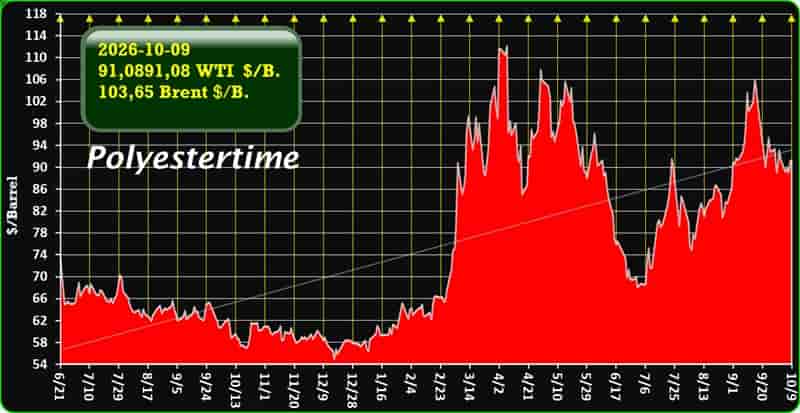
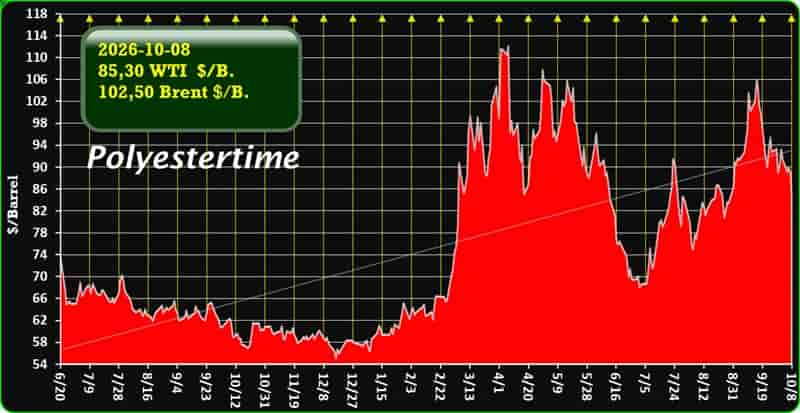
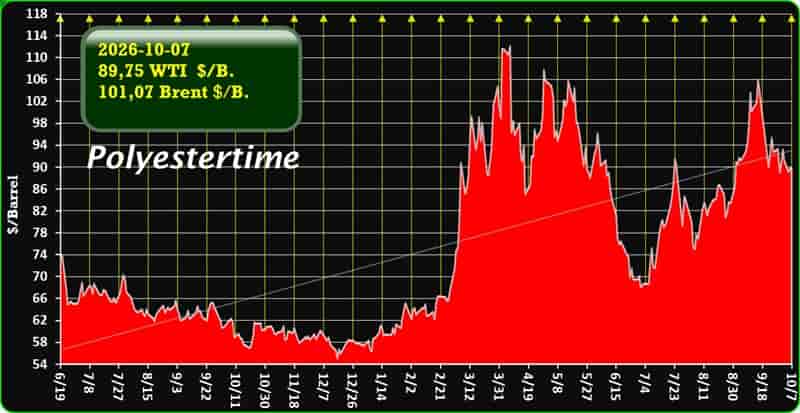
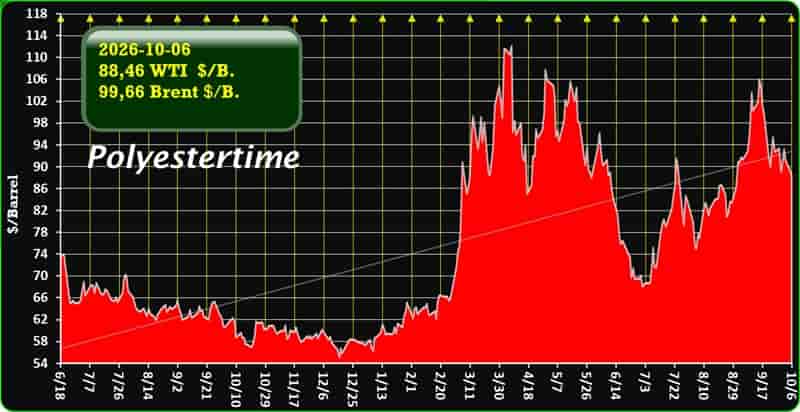
Brent crude, the international benchmark, is trading at approximately $89 per barrel. West Texas Intermediate, or WTI, is in the low $80s per barrel. Prices change continuously: Reuters reported Brent at $88.72 and WTI at $82.35 during early trading on August 17, while other intraday quotations have placed WTI closer to $81.
The central issue is no longer simply how much oil producers can supply. Traders are closely watching whether tankers can move safely through the Strait of Hormuz and whether Washington and Tehran can reach an agreement capable of reducing the conflict.
Key points
- Brent crude is near $89 a barrel, while WTI remains in the low $80s.
- Negotiations between the United States and Iran have not produced a peace agreement.
- Tanker traffic through the Strait of Hormuz slowed sharply over the weekend.
- Recent attacks on vessels and energy infrastructure have increased the market’s risk premium.
- Oil could rise if shipping deteriorates, but meaningful de-escalation could send prices lower quickly.
Why oil prices remain high
Oil markets are balancing two opposing forces.
On one side, disrupted tanker movements and the threat of further attacks create a risk of tighter supply. Traders therefore add a geopolitical premium to each barrel.
On the other, alternative shipping arrangements, spare production capacity and expectations of an eventual diplomatic settlement have helped prevent prices from returning to the conflict’s earlier highs.
Brent and WTI gained more than 5% during the previous week after attacks involving tankers operated by Abu Dhabi National Oil Company and a Saudi Aramco refinery, according to Reuters reporting carried by Euronext.
This explains why Brent is close to $89 even though the market is not currently experiencing the same level of panic seen during earlier phases of the conflict.
The Strait of Hormuz is the critical pressure point
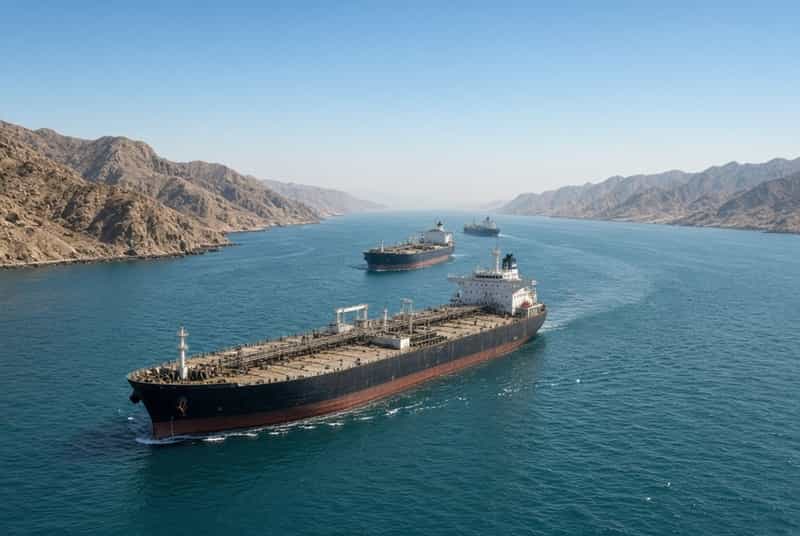
The Strait of Hormuz connects the Persian Gulf with the Gulf of Oman and the wider international market. It is one of the world’s most important routes for crude oil, petroleum products and liquefied natural gas.
The market reacts not only to a complete closure, but also to slower passages, attacks on vessels, higher insurance costs and shipping companies’ decisions to avoid the area.
Ship-tracking data cited by Reuters showed that only five commodity vessels crossed the strait on Saturday, with none registered on Sunday. That compared with 31 vessels during the previous weekend.
Recent drone attacks have added to the uncertainty. The United Arab Emirates accused Iran of attacking ADNOC-operated tankers, while Iran has not accepted responsibility. The Associated Press reported that two tankers were attacked on August 14, without casualties.
Attribution remains politically disputed, so claims about responsibility should be presented as accusations rather than established facts unless independently confirmed.
Where US-Iran diplomacy stands
Diplomacy has not yet delivered a durable breakthrough.
Iranian Foreign Minister Abbas Araqchi said Tehran had not decided whether to resume talks with the United States. The lack of an agreed route toward reopening and securing maritime traffic has left both governments in a prolonged standoff.
Markets are therefore responding to every sign of escalation or compromise. A ceasefire, a maritime-security agreement or verifiable restoration of tanker traffic could remove part of the geopolitical premium from oil prices.
Further attacks, new military strikes or additional restrictions on shipping would probably have the opposite effect.
This sensitivity was evident earlier in August, when oil prices fell after the United States paused new strikes and expectations of de-escalation improved. The Associated Press reported that WTI dropped to $80.79 and Brent to $83.87 during that episode.
Brent and WTI are sending slightly different signals
Brent is more directly exposed to international trade and disruptions affecting Europe, Africa and the Middle East. WTI primarily reflects conditions in the United States, although it is also influenced by global supply and demand.
The current gap between Brent and WTI reflects more than differences in oil quality. It also captures transportation costs, regional inventories and the greater exposure of internationally traded barrels to Middle Eastern shipping risks.
For readers, the important point is that both benchmarks remain elevated, but Brent is carrying a stronger international supply-risk premium.
What could push oil above $90?
Brent could move decisively above $90 if the physical availability of oil deteriorates rather than merely appearing threatened.
Possible upward triggers include:
- Another significant attack on tankers or export infrastructure
- A sustained reduction in Strait of Hormuz traffic
- Lower production caused by filled storage facilities or export constraints
- The failure of US-Iran negotiations
- Higher insurance and freight costs
- Stronger-than-expected global oil demand
Earlier Energy Information Administration modelling demonstrated how sensitive forecasts are to the duration of shipping interruptions and production shutdowns. The agency stressed that its estimates depend heavily on assumptions about the conflict and the restoration of traffic. Its April outlook projected an average 2026 Brent price of $96, but that was a conditional forecast rather than a guaranteed outcome. See the EIA’s conflict-related oil outlook.
What could send prices lower?
Oil prices could retreat if diplomatic progress produces measurable improvements in physical supply.
The strongest bearish signals would include:
- A verified ceasefire
- An enforceable maritime-security agreement
- A sustained recovery in tanker traffic
- Restoration of interrupted production
- Rising commercial inventories
- Weaker economic growth and oil demand
Headlines alone may create short-term price movements. A lasting decline would be more likely if ship-tracking data, export volumes and inventories confirmed that more oil was reaching the market.
Consequences for consumers and the economy
Expensive crude oil affects far more than petrol and diesel.
Refining costs, regional taxes and currency movements determine how quickly crude prices reach consumers, but prolonged increases normally raise transport and production expenses. Airlines, shipping companies, farmers and manufacturers are particularly exposed.
Higher energy costs can also complicate the outlook for inflation and interest rates. Businesses may pass part of the increase to customers, while households have less money available for other spending.
The effects vary by country. Economies that import most of their energy generally face more pressure than major producers, which can receive higher export revenue.
Oil-price outlook: three possible scenarios
1. De-escalation
A ceasefire and sustained reopening of shipping routes would reduce the supply-risk premium. Brent could fall as traders focus again on inventories, demand and production outside the Gulf.
2. Prolonged standoff
If negotiations remain frozen but major infrastructure continues operating, Brent may stay volatile around its present range. Short-lived moves above or below $90 would be possible as markets react to headlines.
3. Renewed escalation
A serious disruption to tanker traffic, export terminals or production facilities could push prices sharply higher. The size and duration of the increase would depend on how many barrels were removed from the market and how quickly other producers could respond.
These are scenarios, not price forecasts. Oil prices Iran war
Frequently asked questions
Why is Brent near $89 per barrel?
Brent includes a geopolitical premium because slower Strait of Hormuz traffic, attacks on vessels and stalled diplomacy create a risk of reduced global supply.
Why is WTI cheaper than Brent?
WTI is more closely linked to US market conditions. Brent has greater exposure to international shipping and Middle Eastern supply risks.
Could oil prices exceed $100 again?
Yes, but that would probably require a substantial or prolonged loss of physical supply. Diplomatic progress could instead drive prices lower.
Does expensive oil immediately mean higher fuel prices?
Not always. Retail prices also depend on refining margins, inventories, taxes, exchange rates and distribution costs. Sustained crude-price increases are more likely to reach consumers than brief market spikes.
The bottom line
The oil prices Iran war relationship is currently being driven by shipping security and diplomacy.
Brent near $89 and WTI in the low $80s show that traders see a meaningful supply threat, but not an irreversible breakdown of the global oil system. The most reliable indicators are now verified tanker movements, actual export volumes, production data and official diplomatic announcements—not isolated claims on social media.
Until traffic through the Strait of Hormuz becomes consistently safer or US-Iran negotiations produce a credible agreement, oil prices are likely to remain sensitive and volatile.
This article is for informational purposes and does not constitute investment advice.
US Iran Oil Prices: Brent Near $88 as Hormuz Risks Persist