Oil Prices Under Pressure as US-Iran Tensions Keep Markets on Alert
Oil Prices Iran War: Brent Near $72 as Markets Watch Hormuz
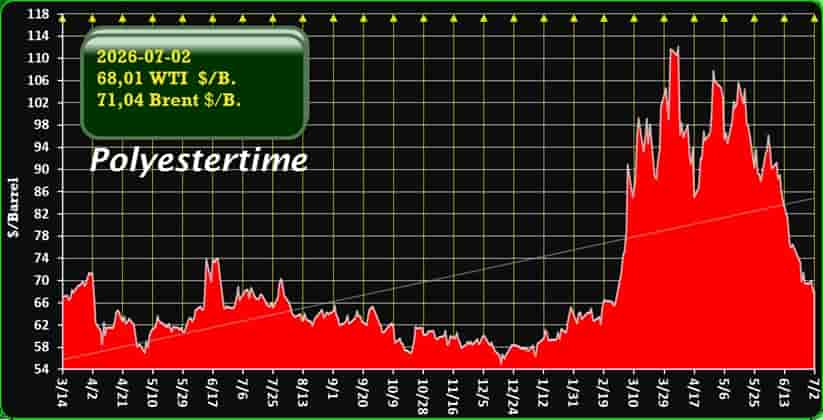
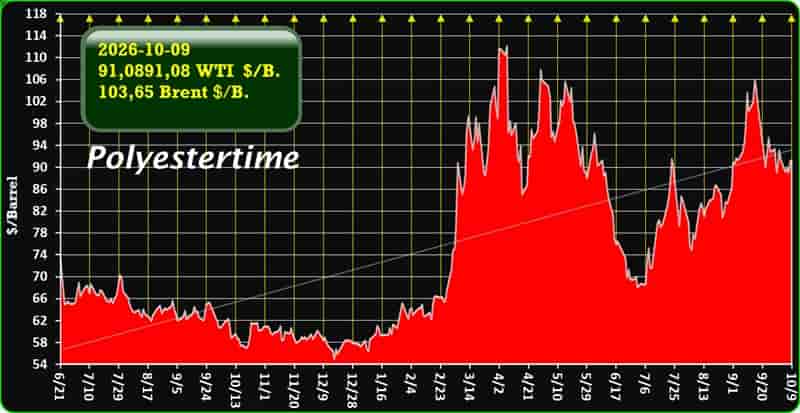
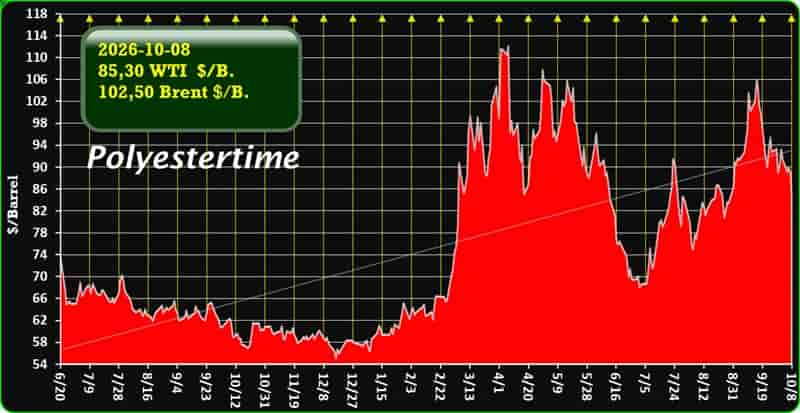
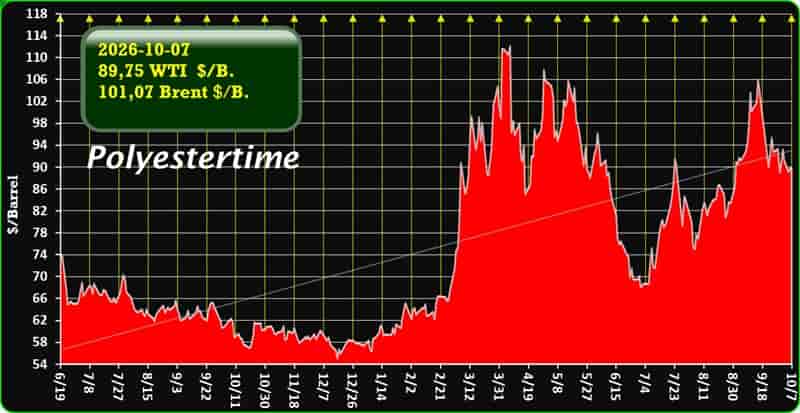
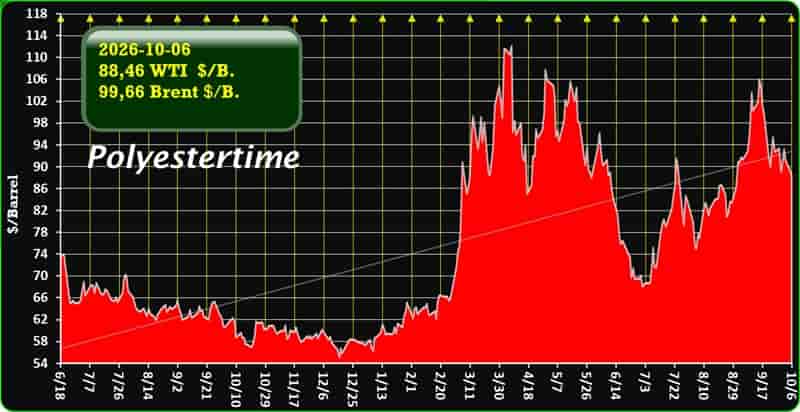
Oil markets are again trading on geopolitics, but not in the same panic mode seen during the most acute phase of the US-Iran conflict. Brent crude is currently around $72 per barrel, while WTI is around $69.5 per barrel, placing both benchmarks well below the extreme risk-premium levels reached when the Strait of Hormuz disruption dominated market sentiment.
The current price level shows that traders are no longer pricing in a full-scale, immediate supply shock. However, the situation remains fragile. Oil prices are being pulled in two opposite directions: easing fears of a prolonged disruption on one side, and continuing military, diplomatic and shipping uncertainty on the other.
Why oil prices have fallen back
The recent decline in crude prices reflects a partial unwinding of the geopolitical risk premium. Markets are reacting to signs that US-Iran talks are continuing, that some tanker movements have resumed, and that the worst-case scenario of a prolonged complete closure of the Strait of Hormuz may be less likely than feared.
That does not mean the risk has disappeared. The Strait of Hormuz remains one of the world’s most important energy chokepoints. Before the conflict, it handled a major share of global crude, refined products, LNG and other commodity flows. Any renewed disruption would quickly affect oil prices, tanker freight, insurance costs and downstream petrochemical margins.
The Strait of Hormuz is still the key risk
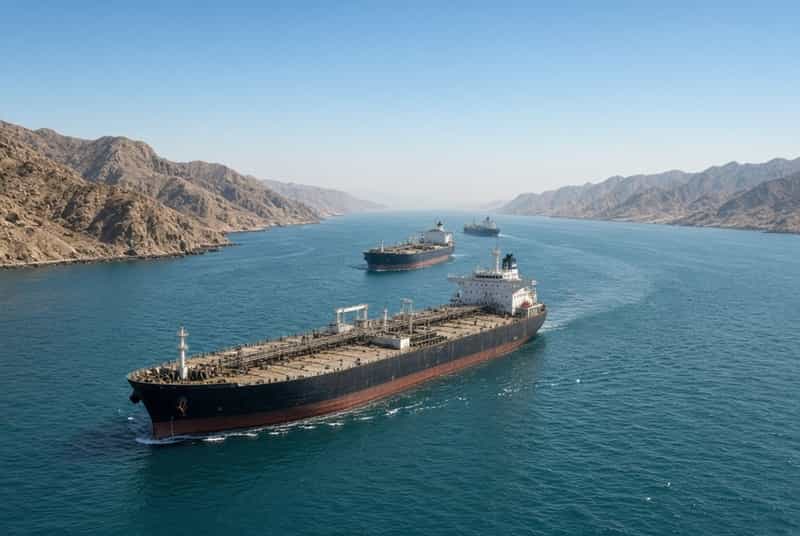
The core issue for oil markets is not only whether the Strait of Hormuz is technically open, but how safely, freely and predictably ships can transit through it.
Recent reporting indicates that maritime traffic has recovered only partially, while legal, military and operational uncertainty remains. Iran continues to claim a role in controlling traffic through the strait, while the United States and Gulf states oppose arrangements that could give Tehran effective leverage over a critical global trade artery.
For oil traders, this means the market is not simply dealing with a binary “open or closed” situation. A partially functioning Hormuz route can still create delays, higher freight costs, increased insurance premiums and selective avoidance by shipowners. Oil prices Iran war
Brent and WTI: what the current spread tells us
With Brent around $72 and WTI around $69.5, the spread between the two benchmarks remains relatively contained. Brent is the more globally exposed benchmark and is usually more sensitive to Middle East supply risks, while WTI reflects US crude fundamentals more directly.
The fact that both benchmarks are trading below recent crisis levels suggests that the market currently sees the conflict as serious but manageable. Traders appear to be assuming that some supply recovery is possible, especially if diplomacy continues and tanker traffic improves.
However, the downside is not risk-free. If Hormuz traffic normalizes further, Iranian exports recover, and global demand remains soft, oil prices could stay under pressure. If the conflict escalates again, Brent would likely react first and more sharply.
What this means for petrochemicals
For petrochemical producers, converters and buyers, the current oil-price environment is mixed.
Lower crude prices can ease pressure on naphtha, fuels and oil-linked feedstocks. This may help reduce some cost pressure across plastics, fibres, packaging and chemical intermediates. At the same time, volatility makes purchasing decisions harder, especially for companies exposed to monthly pricing formulas or short-term feedstock contracts.
A sudden rebound in crude could quickly affect naphtha-based polymer chains, while a more stable low-$70 Brent environment would support more predictable planning. The biggest uncertainty remains logistics: if shipping routes, insurance or freight costs rise, downstream prices may not fully reflect the apparent relief in crude benchmarks.
Why demand still matters
Geopolitics is only one side of the oil-price story. The market is also watching global demand, especially from China, Europe and the industrial sector. If demand remains weak, even a fragile Middle East recovery may be enough to keep prices from rising sharply.
This is why oil prices have not stayed at emergency levels despite the seriousness of the US-Iran conflict. Traders are balancing geopolitical risk against supply recovery, inventories, non-Iranian output and signs of softer consumption.
The most likely short-term scenarios
The first scenario is gradual stabilization. If talks continue, tanker movements improve and no major new attacks occur, Brent could remain near the low-$70s or trade in a moderate range. This would reduce pressure on fuel markets and petrochemical feedstocks.
The second scenario is renewed escalation. Any attack on tankers, Gulf energy infrastructure or US-linked military assets could rapidly rebuild the war premium. In that case, Brent would likely move higher first, with WTI following.
The third scenario is oversupply pressure. If Iranian barrels return faster than expected, Hormuz flows recover and demand remains subdued, oil prices could move lower despite the geopolitical background.
Outlook: lower prices, but not a calm market
Brent near $72 and WTI around $69.5 suggest that the market has moved away from the most extreme fear of a supply shock. But oil prices are not trading in a normal environment. They are trading in a fragile geopolitical corridor where diplomacy, tanker safety and military restraint matter as much as inventory data.
For energy-intensive industries, the message is clear: the immediate price shock has eased, but the risk has not disappeared. Companies should avoid assuming that the current price level is stable. The next move in crude will depend less on ordinary supply-demand data and more on whether the US-Iran conflict continues to de-escalate or returns to active disruption around the Strait of Hormuz.
Oil Prices Iran: Brent Near $73 as Markets Reprice War Risk
More…