Oil Prices Iran: Brent Near $72 as US-Iran Risk Reprices Crude
Oil Prices Iran: Why Brent Is Back Near $72 Despite the US-Iran War Risk
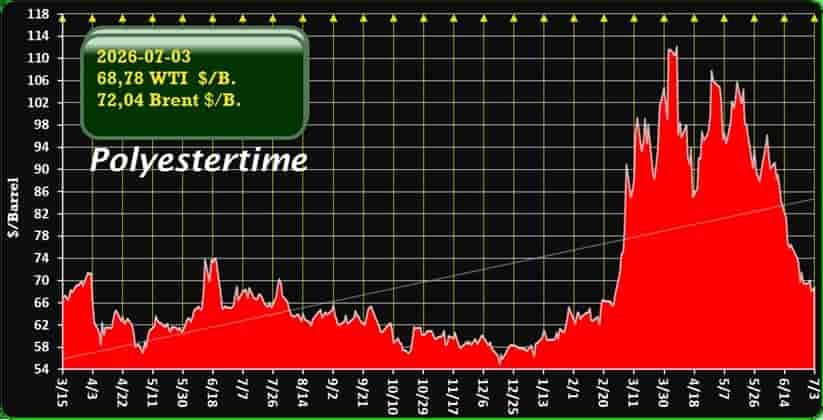
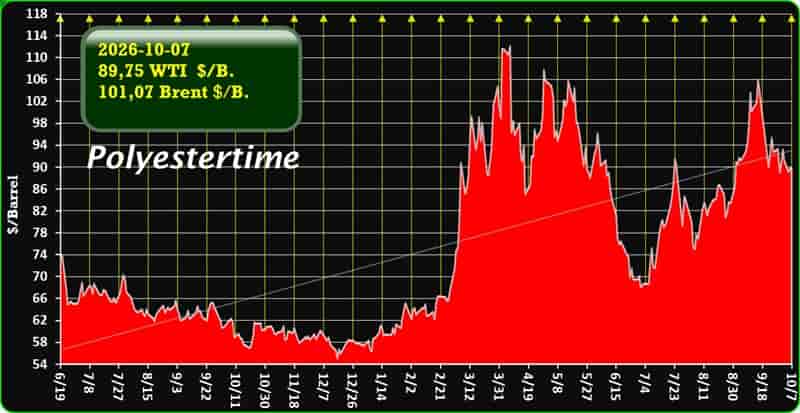
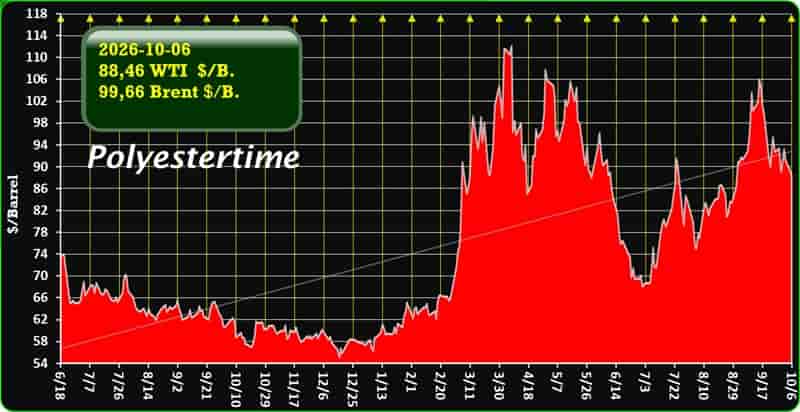
Oil prices are no longer trading as if a full-scale energy shock is unavoidable. Brent crude is currently around $72 per barrel, while WTI is near $69.5 per barrel. That is still a tense price zone, but it is far below the panic levels seen earlier in the US-Iran crisis.
The key reason is simple: markets are starting to price in lower disruption risk around the Strait of Hormuz. Yet this is not the same as saying the danger has disappeared. The oil market remains exposed to sudden headlines, military incidents, shipping restrictions and the fragile state of US-Iran negotiations.
The market’s message: risk has cooled, not vanished
Brent around $72 and WTI around $69.5 suggest that traders are giving more weight to recovering supply flows than to worst-case war scenarios. Recent live market data also showed Brent close to $72.23 and WTI close to $68.99, broadly consistent with the current price range. Prices can move quickly intraday, so these levels should be read as a snapshot rather than a fixed benchmark.
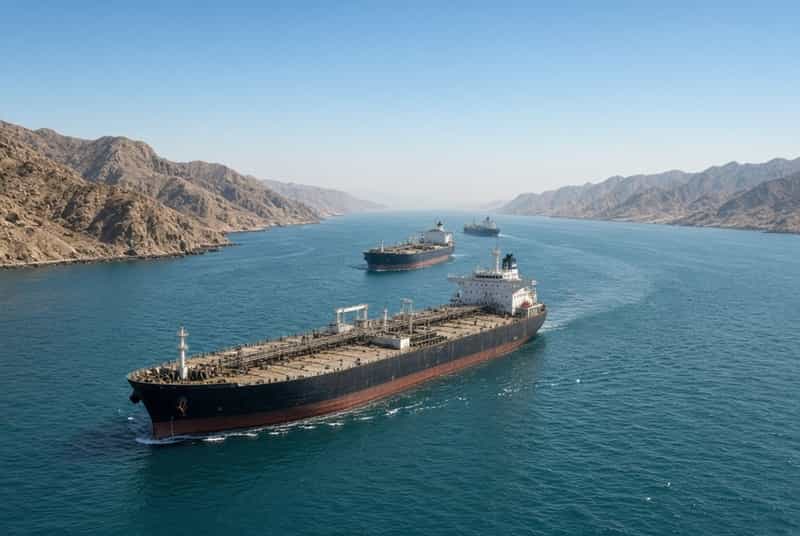
The move lower has been helped by reports that oil flows and broader shipping activity through the Strait of Hormuz are improving. That matters because Hormuz is one of the world’s most important energy chokepoints. When traders believe tankers can move more freely, the “war premium” in crude prices tends to shrink.
At the same time, the market is not calm. It is cautious. Any renewed military strike, tanker incident, sanctions escalation or breakdown in talks could quickly push oil prices higher again.
Why the Strait of Hormuz is still the center of the story
The Strait of Hormuz remains the most important variable for oil prices linked to Iran. The International Energy Agency has described the wider Middle East disruption as a major global energy-market shock, with Hormuz at the center of the supply-risk debate.
During the most severe phase of the crisis, limited traffic through the strait tightened supply expectations and pushed prices sharply higher. The US Energy Information Administration noted in its recent Short-Term Energy Outlook that global oil markets were in a period of heightened volatility and uncertainty because of restricted shipping through Hormuz.
Now the market appears to be moving in the opposite direction. More tanker movement and signs of diplomatic progress have reduced fears of a prolonged supply shock. However, the improvement is fragile. AP reported that Iran warned tankers to use approved routes through the Strait of Hormuz or face a “forceful response,” showing that navigation risk has not disappeared.
US-Iran talks are now an oil-market catalyst
Oil traders are watching diplomacy almost as closely as inventory data. Reports this week said that US-Iran talks in Doha helped ease fears of immediate supply disruption, contributing to lower prices. RTE reported that oil fell to a four-month low as concern over supply disruptions eased after Qatar said Iran and the US had made progress in talks over Hormuz.
But other reports point to a more complicated picture. Le Monde reported that negotiations over the future of the Strait of Hormuz have stalled, with freedom of navigation still a key dispute. That means the market is pricing in progress, but not a final settlement.
This is why Brent near $72 does not mean the geopolitical risk is gone. It means traders currently see a lower probability of the worst-case scenario: a renewed closure or severe restriction of Hormuz traffic.
Why prices are not higher despite the war risk
There are four main reasons crude prices have moved back down.
First, shipping through the Gulf appears to be improving. If cargoes move and buyers receive crude, the supply shock becomes less severe.
Second, analysts have lowered some oil-price forecasts as Hormuz traffic improves. A Reuters poll cited by FXStreet said 2026 oil price forecasts were cut for the first time since the Iran war began because shipping through the Strait of Hormuz was gradually improving.
Third, demand concerns remain important. The oil market is not only about geopolitics. If global demand looks soft, especially in major consuming economies, that can offset some of the bullish effect of war risk.
Fourth, alternative supply routes and emergency responses have helped reduce pressure. The IEA noted that some Middle East producers adjusted quickly, including Saudi Arabia increasing crude flows through its East-West pipeline for export via the Red Sea. oil prices Iran
Why prices could rise again
The bearish case is clear, but so is the risk of a rebound.
Oil prices could climb again if there is a renewed attack on commercial shipping, a breakdown in US-Iran talks, new sanctions on Iranian exports, a wider regional escalation, or evidence that Hormuz traffic is being restricted again.
The Guardian reported that some analysts see Brent potentially falling toward $60 if stability improves and shipping normalizes, but also warned that renewed conflict could send prices sharply higher again.
That is the central tension in the market: fundamentals are pulling prices lower, while geopolitics keeps a risk premium alive.
What Brent near $72 and WTI near $69.5 mean for consumers and investors
For consumers, lower oil prices can reduce pressure on fuel costs, transport costs and inflation expectations. The effect is not immediate, because retail fuel prices also depend on taxes, refining margins, distribution costs and currency movements.
For investors, the current market is highly headline-sensitive. Technical levels matter, but political developments may matter more. A single verified report about Hormuz, sanctions or US-Iran talks could move crude prices faster than normal inventory data.
For companies, especially airlines, shipping firms, manufacturers and energy-intensive industries, the current price level offers relief compared with earlier crisis highs. But planning should still include upside-risk scenarios because the geopolitical situation remains unresolved.
Outlook: fragile relief, not a clean reset
The most balanced reading is that the oil market has moved from panic to conditional relief. Brent near $72 and WTI near $69.5 show that traders are no longer assuming a prolonged supply shutdown. However, the Strait of Hormuz remains a strategic chokepoint, US-Iran diplomacy is still unstable, and the risk of sudden escalation remains real.
For now, the direction of oil prices depends on three questions.
Can shipping through Hormuz continue to normalize?
Can US-Iran talks produce a durable agreement on navigation and security?
Will global demand remain soft enough to absorb the remaining geopolitical risk?
If the answer to all three is yes, oil prices may stay under pressure. If even one answer turns negative, the market could quickly rebuild a war premium.
Key takeaway
Oil prices Iran risk has eased, but it has not disappeared. Brent near $72 and WTI near $69.5 reflect improving supply confidence and diplomatic hopes. The next major move will likely depend on the Strait of Hormuz, US-Iran negotiations and whether traders believe the current calm can last.
Sources consulted
This article was based on recent market and news reporting from OilPrice.net, Trading Economics, AP, RTE, Le Monde, the International Energy Agency, the US Energy Information Administration and OPEC-related market material.
Oil Prices Under Pressure as US-Iran Tensions Keep Markets on Alert
More….