Oil Prices and the U.S.–Iran War: What Happens Next?
Iran war oil prices
Oil Prices Rise as the U.S.–Iran War Puts Global Energy Supplies at Risk
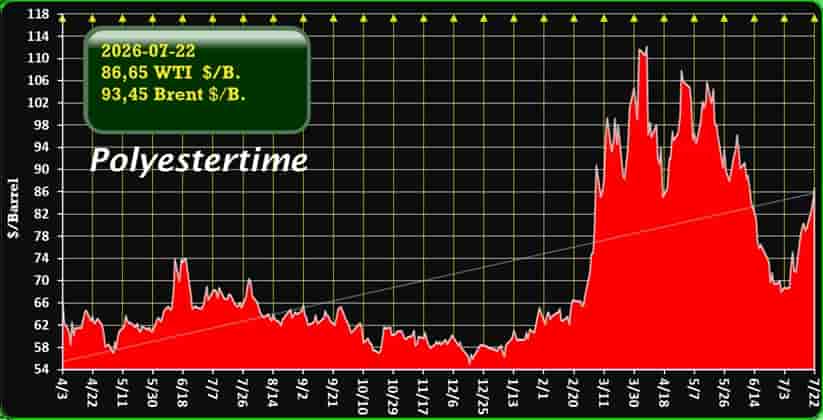
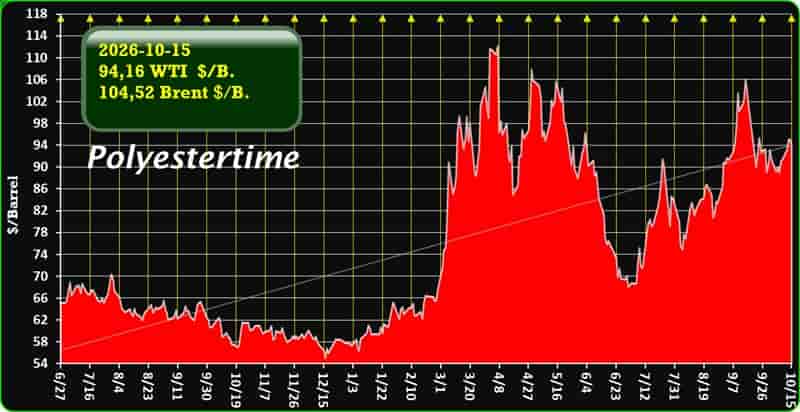
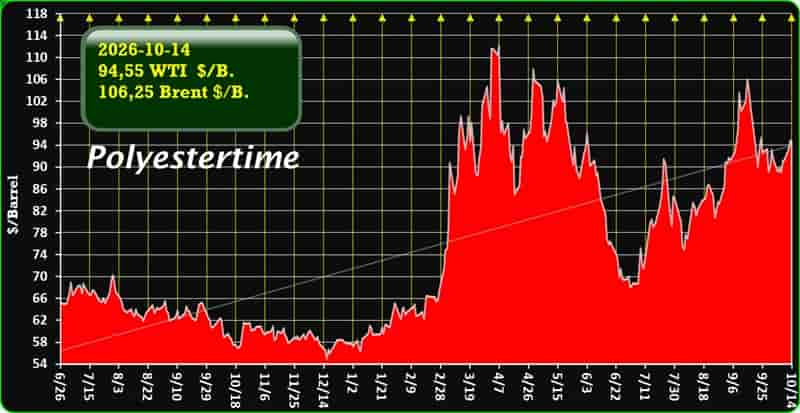
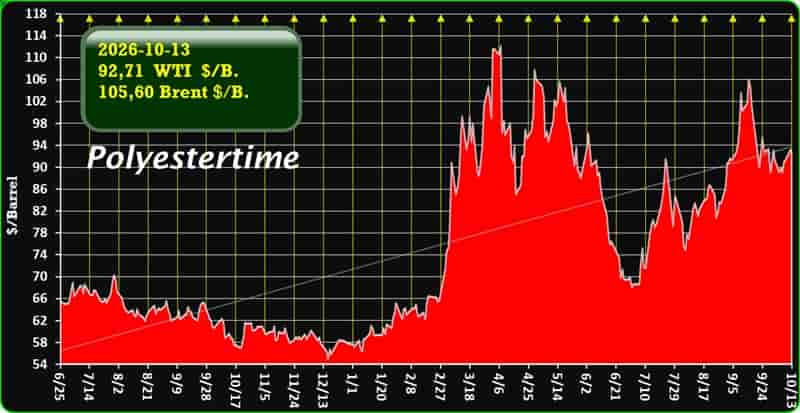
Brent crude is trading at approximately $93 per barrel, while West Texas Intermediate, or WTI, is close to $86 per barrel. The latest increase reflects renewed concern that the U.S.–Iran war could disrupt oil production, tanker traffic and critical export routes across the Middle East.
The immediate issue is not simply how much oil Iran produces. Markets are concentrating on the security of the Strait of Hormuz, the narrow waterway connecting the Persian Gulf with the Arabian Sea. Any sustained interruption there could affect exports from several major producers, not only Iran.
As of July 22, 2026, the oil market is therefore pricing in a growing geopolitical risk premium: the additional amount traders are prepared to pay because future supplies have become less predictable.
Oil prices at a glance
Brent crude: approximately $93 per barrel
WTI crude: approximately $86 per barrel
Main upward pressure: renewed U.S.–Iran military operations and maritime-security concerns
Primary risk area: the Strait of Hormuz
Additional risk area: the Red Sea and Bab el-Mandeb shipping corridor
These prices can change rapidly during the trading session. They should be treated as an approximate market snapshot rather than a fixed closing price.
Why oil prices are rising
The latest rally follows a renewed escalation in direct military action between the United States and Iran.
U.S. Central Command reported that American forces completed an eleventh consecutive night of strikes against Iranian targets. According to the command, recent operations have targeted military aircraft facilities, drone infrastructure, coastal surveillance systems, air defences and maritime capabilities.
Iran has continued retaliatory operations against U.S. forces and regional targets, while commercial vessels operating near strategically important waterways face heightened security risks.
This escalation has weakened hopes that the June agreement between Washington and Tehran would produce a lasting stabilisation. That agreement had helped reopen the Strait of Hormuz and restore part of the region’s disrupted oil traffic. Renewed hostilities have now placed that progress in doubt.
The market reaction has been swift. Brent moved above $92 during Asian trading on July 22, while WTI climbed above $85. Subsequent market readings placed the benchmarks near the $93 and $86 levels respectively.
Why the Strait of Hormuz matters so much
The Strait of Hormuz is one of the world’s most important energy transit routes. Oil and petroleum products from Saudi Arabia, Iraq, Kuwait, the United Arab Emirates, Qatar and Iran regularly pass through or near the waterway.
This means the market impact of the conflict extends far beyond Iranian exports.
A prolonged closure, military blockade or series of attacks on commercial vessels could force tankers to remain in port. It could also increase insurance costs, discourage shipping companies from entering the area and delay deliveries even when physical production remains available.
Alternative export pipelines can reduce some of the pressure, but they cannot immediately replace all the capacity normally moving through Hormuz.
For oil traders, the decisive question is therefore not whether every shipment has stopped. It is whether vessels can move through the region safely, consistently and at commercially sustainable insurance rates.
The Red Sea is becoming another source of concern
Risks are also increasing beyond the Persian Gulf.
Yemen’s Houthi movement has threatened a naval blockade affecting Saudi-linked shipping around the Bab el-Mandeb Strait. The group has claimed that several vessels changed course after receiving warnings, although those claims have not been independently verified.
Bab el-Mandeb connects the Red Sea with the Gulf of Aden and provides access to the Suez Canal. Disruption there could limit an important alternative route for Middle Eastern energy exports and other international trade.
The simultaneous threat to Hormuz and Bab el-Mandeb is particularly important. Difficulties at both chokepoints could lengthen voyages, increase freight rates and reduce the number of tankers immediately available to transport oil.
Even limited attacks can have a substantial commercial effect if shipowners, crews and insurers decide that the route has become too dangerous.
Is there already a global oil shortage?
The current price increase does not necessarily mean the world has run out of oil.
A significant part of the rally reflects the possibility of future disruption rather than a fully documented loss of supply at the same scale. Markets often move before physical shortages appear because traders anticipate what could happen next.
Earlier in July, the U.S. Energy Information Administration increased its expectations for global production after the reopening of the Strait of Hormuz. It expected production and shipping conditions to recover gradually following the June agreement.
The International Energy Agency also reported that improved traffic through Hormuz had helped crude prices decline in June and early July.
Those forecasts, however, were prepared before the latest phase of intensive U.S. strikes and Iranian retaliation. The assumptions behind them may have to be revised if maritime traffic falls again or regional production is shut down.
The distinction is important: today’s prices combine actual logistical disruption with a risk premium for damage that has not yet occurred.
What could push Brent above $100?
Brent could move above $100 per barrel if the conflict causes a measurable and sustained reduction in available supplies.
Potential triggers include:
A prolonged interruption of tanker traffic through the Strait of Hormuz
Direct damage to major oil fields, export terminals, pipelines or processing facilities
A substantial fall in production among Gulf exporters
Repeated attacks that cause insurers or shipping companies to avoid the region
Disruption affecting both Hormuz and the Red Sea at the same time
The introduction of wider sanctions or restrictions on crude exports
A breakdown of diplomatic mediation with no credible route toward de-escalation
Under these circumstances, buyers could compete for cargoes from outside the Middle East. Freight costs, refining margins and prices for replacement grades could rise alongside headline crude benchmarks.
A temporary spike would not automatically become a lasting price level. The duration of any supply interruption would remain decisive.
What could bring oil prices back down?
Oil prices could retreat quickly if Washington and Tehran restore a credible ceasefire and commercial shipping resumes without repeated attacks.
A decline would become more likely if:
The Strait of Hormuz remains reliably open
Iran and the United States restart direct or mediated negotiations
Attacks on tankers and regional infrastructure decrease
Previously interrupted production returns to the market
Major producers release additional supplies
Commercial inventories begin to rise
Demand weakens because of slower global economic growth
The price movements seen after the June agreement demonstrate how quickly the geopolitical premium can disappear when traders believe transport routes are becoming safer.
However, a verbal ceasefire alone may not be enough. Markets will look for evidence from tanker movements, insurance prices, export volumes and the absence of new attacks.
Why Brent is trading above WTI
Brent generally reflects the price of crude available to the international seaborne market. It is consequently more directly exposed to disruptions involving Middle Eastern exports and global tanker routes.
WTI is the principal U.S. benchmark and is more closely connected to conditions in the North American market, including domestic production, storage levels and pipeline capacity.
Both benchmarks are rising because oil is traded globally, but Brent’s stronger connection to international shipping helps explain why it remains above WTI.
The difference between the two prices, known as the Brent-WTI spread, can widen when overseas supplies appear more vulnerable than U.S. supplies.
What higher oil prices mean for consumers
A sustained increase in crude prices can eventually affect petrol, diesel, aviation fuel, heating costs and the price of transporting goods.
The effect is not immediate or identical in every country. Retail fuel prices also depend on refining costs, taxation, exchange rates, inventories and local competition.
Nevertheless, prolonged crude prices around or above current levels would increase costs for airlines, road transport companies, manufacturers and energy-intensive industries.
Those additional expenses can feed into consumer prices, complicating efforts by central banks to control inflation.
Associated Press reported that average U.S. petrol prices had returned to approximately $4 per gallon as the conflict and supply concerns intensified. The impact elsewhere will vary according to currency movements and national tax structures. Iran war oil prices
Three scenarios for the oil market
1. Controlled escalation
Military operations continue, but the main export routes remain open and physical supply losses stay limited.
Under this scenario, Brent and WTI could remain elevated and volatile. Prices would respond sharply to military announcements, tanker incidents and diplomatic signals, but a sustained move far above current levels would be less likely.
2. Negotiated de-escalation
The United States and Iran restore a ceasefire, attacks decline and shipping companies regain confidence in the region.
The geopolitical premium could fall rapidly. Prices might move back toward levels based more heavily on global production, inventories and demand.
3. Major supply disruption
Hormuz traffic is severely reduced, Gulf infrastructure is damaged or the conflict expands across additional producing countries and shipping routes.
This would create the strongest case for Brent moving above $100. The eventual price would depend on the scale and duration of the disruption, spare production capacity and the response of governments and other oil producers.
What investors and businesses should monitor
Daily military headlines can move prices, but several measurable indicators provide a clearer picture of the market:
Tanker movements through the Strait of Hormuz
Oil-export volumes from Gulf producers
War-risk insurance premiums
Freight rates for crude carriers
Reported damage to terminals, refineries and pipelines
Commercial oil inventories
Changes in production from OPEC and other exporters
Official announcements from the United States, Iran and mediating governments
Updates from the U.S. Energy Information Administration and International Energy Agency
These indicators help distinguish a temporary reaction to alarming headlines from a longer-lasting change in global supply.
The outlook for Iran war oil prices
The rise of Brent toward $93 and WTI toward $86 shows that the market is taking the renewed U.S.–Iran conflict seriously.
For now, the principal force behind prices is uncertainty. The latest military escalation has increased the probability of supply disruption, but the full extent of any physical shortage remains unclear.
The Strait of Hormuz will remain the most important variable. If commercial traffic continues and production facilities avoid major damage, oil could remain volatile without entering an extreme or lasting price shock.
If shipping is severely interrupted or the war spreads to additional infrastructure and trade routes, the market could move into a more serious supply crisis.
For readers, businesses and market participants, the most reliable approach is to separate verified changes in physical oil flows from claims made by the parties to the conflict. In a fast-moving war, both prices and reported events can change within hours.
Frequently asked questions
Why are oil prices rising during the U.S.–Iran war?
Prices are rising because traders fear that military operations could interrupt production or shipping through the Strait of Hormuz. Higher insurance and transport costs can also raise the delivered cost of oil.
Could Brent crude rise above $100?
Yes, but a lasting move above $100 would probably require a substantial supply disruption, prolonged restrictions on Hormuz traffic or damage to major energy infrastructure. It is a scenario, not a certainty.
Why is the Strait of Hormuz important?
It is a critical route for oil and gas exports from several Persian Gulf producers. Disruption can affect a much larger volume of energy trade than Iran’s exports alone.
Why is Brent more expensive than WTI?
Brent is more directly linked to the international seaborne market, which is highly exposed to Middle Eastern shipping risks. WTI is more closely tied to U.S. production and storage conditions.
Will petrol and diesel prices increase?
Sustained higher crude prices generally raise the cost of producing petrol and diesel. The final retail impact depends on taxes, refining costs, exchange rates and local inventories.
Could oil prices fall even while fighting continues?
Yes. Prices could decline if shipping remains relatively stable, supply losses are smaller than feared or credible diplomatic progress reduces the probability of a wider disruption.
Editorial note
This article reflects verified information available on July 22, 2026. Oil prices and military developments can change rapidly. Price forecasts are scenarios rather than financial advice.
Sources consulted
U.S. Central Command public releases, July 2026
U.S. Energy Information Administration, July 2026 Short-Term Energy Outlook
International Energy Agency, July 2026 Oil Market Report
United Nations statements concerning renewed Gulf hostilities
Associated Press reporting published July 21–22, 2026
Current Brent and WTI market readings available on July 22, 2026
US-Iran War Pushes Oil Prices Higher: What Comes Next?
More…