US-Iran War Pushes Oil Prices Higher: What Comes Next?
US Iran oil prices
US-Iran War Pushes Oil Prices Higher: What Comes Next?
Key points
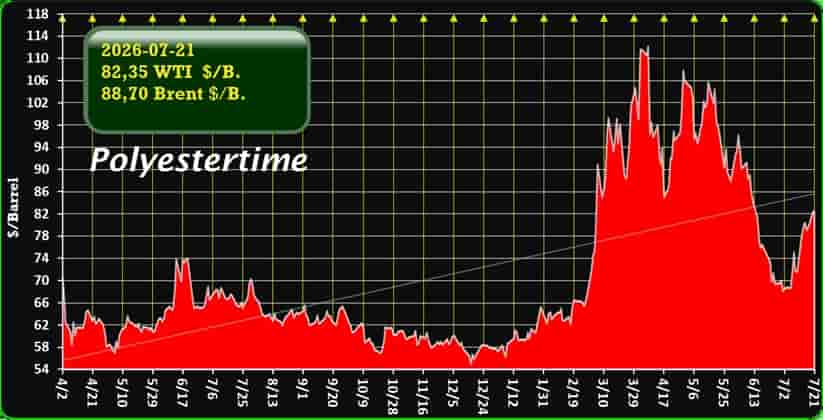
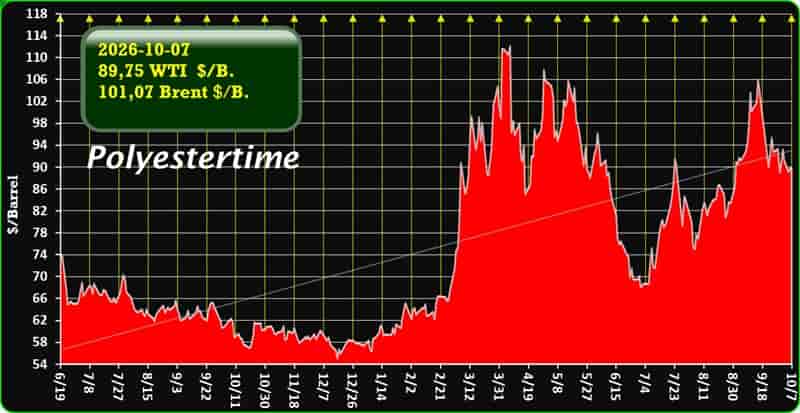
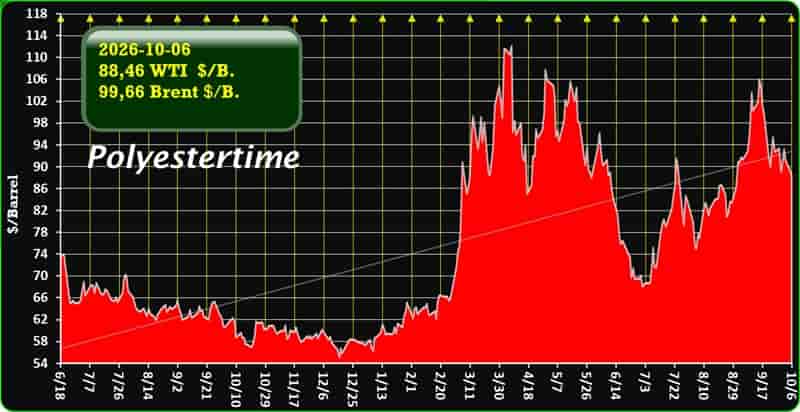
Brent crude is trading at approximately $88 per barrel, while West Texas Intermediate, or WTI, is near $82 per barrel.
The renewed rise in US Iran oil prices reflects fears that attacks on ships or energy infrastructure could restrict supplies moving through the Strait of Hormuz.
Possible ceasefire negotiations are limiting the rally, but the market remains highly sensitive to military, diplomatic and shipping developments.
A sustained disruption to Gulf exports could push prices higher. A credible ceasefire and safer tanker traffic could quickly remove part of the geopolitical premium.
Oil prices remain elevated as conflict risk returns
Oil prices are once again being driven by events in the Middle East.
As of July 21, 2026, Brent crude is trading at around $88 per barrel, while WTI is close to $82 per barrel. Prices have been volatile as markets react to continued military action between the United States and Iran, attacks affecting commercial shipping and reports of diplomatic efforts to establish another ceasefire.
The latest price movement does not indicate that the world has already lost a large and permanent volume of oil supply. Instead, it reflects a combination of actual shipping disruption, higher transport and insurance costs, and the risk that conditions could deteriorate further.
This distinction matters. Oil markets do not wait for a complete supply shutdown before reacting. Prices often rise as soon as traders believe that future deliveries may become more difficult, expensive or uncertain.
Why the Strait of Hormuz is central to oil prices
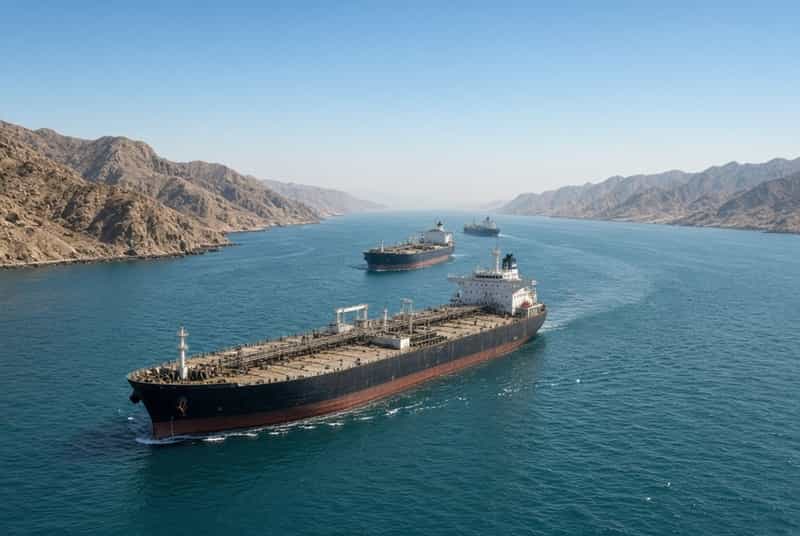
The Strait of Hormuz connects the Persian Gulf with the Gulf of Oman and the wider Arabian Sea. It is one of the most important energy transit routes in the world.
Major oil and gas exporters—including Saudi Arabia, Iraq, Kuwait, Qatar and the United Arab Emirates—depend heavily on the route. Iran also borders the strait and has significant military capabilities along the surrounding coastline.
According to the US Energy Information Administration, approximately 20.9 million barrels per day of oil passed through Hormuz in 2023. That was equivalent to about 20% of global petroleum-liquids consumption. The route also carried roughly one-fifth of global liquefied natural gas trade.
Although some exports can be redirected through pipelines, the available alternatives cannot immediately replace all maritime capacity. Any prolonged restriction would therefore create pressure on physical supplies, freight rates and refinery purchasing costs.
What is happening in the US-Iran conflict?
The current confrontation has moved beyond political threats and isolated incidents.
Recent reporting describes repeated US strikes against Iranian military capabilities and Iranian missile or drone attacks against US interests and regional allies. Commercial vessels have also faced renewed danger near the Strait of Hormuz.
The conflict follows the breakdown of an earlier interim arrangement. A memorandum of understanding signed on June 18 had been intended to reduce hostilities and reopen the strait after months of disruption. The subsequent return of military action has weakened confidence that shipping conditions will normalize quickly.
Diplomatic efforts have not disappeared. Reports of a proposed temporary truce have occasionally pushed oil prices lower during trading sessions. However, markets remain cautious because ceasefire discussions are occurring alongside continued attacks.
For oil traders, an announced proposal is not equivalent to a functioning agreement. Prices are likely to retain a risk premium until attacks stop, tanker traffic stabilizes and insurers become more willing to cover voyages through the region.
Why Brent is trading above WTI
Brent is the main international crude-oil benchmark and is closely connected to seaborne markets. It therefore tends to react more directly to threats affecting international shipping routes.
WTI is primarily associated with the United States and delivery at Cushing, Oklahoma. Although it is also influenced by global events, domestic production, inventories, refinery demand and pipeline conditions can affect its price differently.
The current gap between Brent at approximately $88 and WTI at approximately $82 reflects these structural differences. A threat to Gulf exports usually has a stronger immediate effect on Brent because it represents the international barrels most exposed to maritime disruption.
The factors supporting higher oil prices
The first bullish factor is the possibility of a direct supply interruption. Damage to ports, export terminals, pipelines or production facilities could remove barrels from the market.
The second is reduced tanker traffic. Even when oil remains available, fewer ships may be willing or able to enter a high-risk area.
The third is the rising cost of insurance and freight. Shipowners generally demand higher compensation for entering a conflict zone. Those costs can eventually influence delivered crude prices and fuel costs.
The fourth factor is uncertainty. Refiners and trading companies may seek alternative supplies or build precautionary inventories when delivery schedules become unreliable.
Finally, further instability around the Red Sea or Bab el-Mandeb could compound the pressure. Simultaneous disruption to more than one shipping corridor would make rerouting slower and more expensive.
What could prevent another major oil-price surge?
The market is not pricing in the most extreme scenario.
Oil continues to move through the global system, alternative routes remain available for part of Gulf production, and producers outside the immediate conflict area can respond to higher prices over time.
Strategic petroleum reserves also provide governments with an emergency tool. During severe disruptions, coordinated stock releases can add temporary supply and reduce panic in physical markets.
Demand conditions are another constraint. Higher fuel prices can weaken consumption, while slower economic growth can reduce industrial and transport demand.
Most importantly, a credible ceasefire could reverse part of the recent rally. If attacks stopped and commercial shipping returned to a predictable pattern, the geopolitical risk premium embedded in Brent and WTI could decline rapidly.
Could Brent rise above $100 per barrel?
A move above $100 is possible, but it is not inevitable.
Such a move would become more likely if the Strait of Hormuz were effectively closed again, if major export infrastructure were damaged, or if the conflict expanded to involve additional oil-producing countries.
A short-lived attack with limited physical damage might cause a sharp intraday price increase without creating a lasting move above $100. By contrast, a multiweek loss of several million barrels per day would have a much greater effect.
The duration of any disruption is therefore as important as its initial size.
Traders should also distinguish between temporary headlines and confirmed changes in physical supply. Reports of attacks can move futures immediately, but sustained prices depend on production, exports, inventories and refinery demand. US Iran oil prices
What lower oil prices would require
A durable decline would probably require several developments.
Military activity would need to decrease, not merely pause for a few hours. Commercial vessels would need to pass safely through Hormuz. Shipping and insurance costs would need to normalize. Export volumes would also need to become more predictable.
A verified diplomatic agreement would have a stronger market effect than informal statements or unconfirmed ceasefire proposals.
Oil could also fall if global demand weakened unexpectedly or if production outside the region increased enough to offset disrupted Gulf supplies.
How higher oil prices affect consumers and businesses
A sustained rise in crude prices can eventually increase gasoline, diesel, aviation-fuel and shipping costs.
The effect is not immediate or identical in every country. Taxes, exchange rates, refinery margins, inventories and government policies all influence retail fuel prices.
Airlines, logistics companies, manufacturers and energy-intensive industries are particularly exposed. Businesses may respond through fuel surcharges or higher product prices, adding to inflationary pressure.
Oil-importing economies are generally more vulnerable because they must spend more to obtain the same quantity of energy. Exporters may receive higher revenue, although instability can offset that benefit when their infrastructure or shipping routes are threatened.
What investors and businesses should watch next
The most important indicator is the volume and regularity of tanker traffic through the Strait of Hormuz.
Market participants should also watch confirmed damage to energy facilities, changes in marine-insurance premiums, official ceasefire announcements, US and Iranian military statements, and any coordinated release of strategic reserves.
Weekly inventory information and production data remain important. Geopolitical risk can lift prices, but physical supply-and-demand balances determine whether those increases persist.
Readers should treat precise short-term forecasts cautiously. Oil prices can change rapidly when reports are incomplete, disputed or later corrected.
Outlook for US Iran oil prices
The near-term outlook remains unusually uncertain.
Brent near $88 and WTI near $82 indicate that the market is charging a meaningful geopolitical premium but has not fully adopted a worst-case scenario.
If tanker attacks continue or export capacity is damaged, Brent could test or exceed $100 per barrel. If diplomacy produces a credible ceasefire and shipping conditions stabilize, both benchmarks could surrender part of their recent gains.
For now, oil prices are likely to remain volatile and highly responsive to news from the Strait of Hormuz. The decisive issue is no longer only how much oil producers can extract. It is whether that oil can move safely and reliably to global customers.
Frequently asked questions
Why are oil prices rising?
Oil prices are rising because the US-Iran conflict threatens production and shipping in the Persian Gulf. Traders are adding a risk premium to account for possible supply interruptions.
Why is the Strait of Hormuz important?
It is a critical route for oil and liquefied natural gas exports from the Persian Gulf. A serious disruption can affect global energy availability, freight costs and market confidence.
What is the current Brent crude price?
Brent is trading at approximately $88 per barrel as of July 21, 2026. Intraday prices can change quickly.
What is the current WTI price?
WTI is trading at approximately $82 per barrel as of July 21, 2026. The exact figure varies during each trading session.
Could oil reach $100 per barrel?
Yes, particularly if Hormuz traffic is severely restricted or major infrastructure is damaged. A ceasefire or normalization of shipping could instead push prices lower.
Why is Brent more expensive than WTI?
Brent is more directly connected to international seaborne trade and therefore carries greater exposure to supply risks affecting the Persian Gulf.
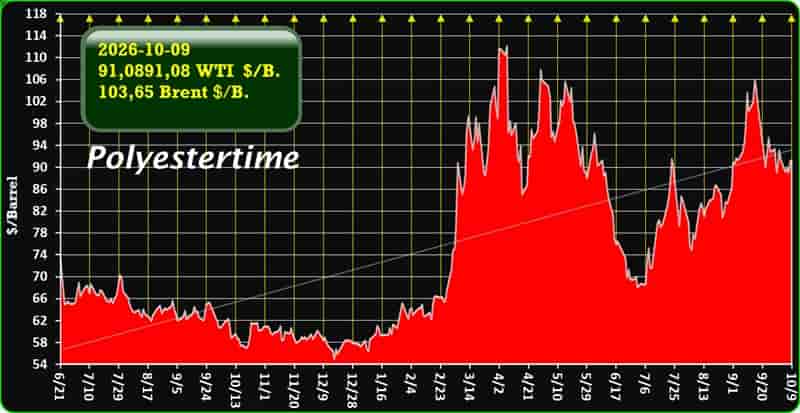
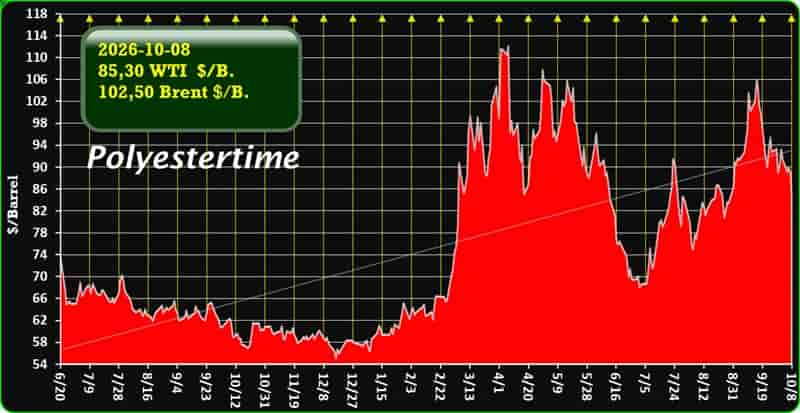
US-Iran Oil Prices: Why Brent Is Near $91
More…