US-Iran Oil Prices: Why Brent Is Near $91
US-Iran Oil Prices: Why Brent Is Near $91 and WTI Around $84
Updated: July 20, 2026
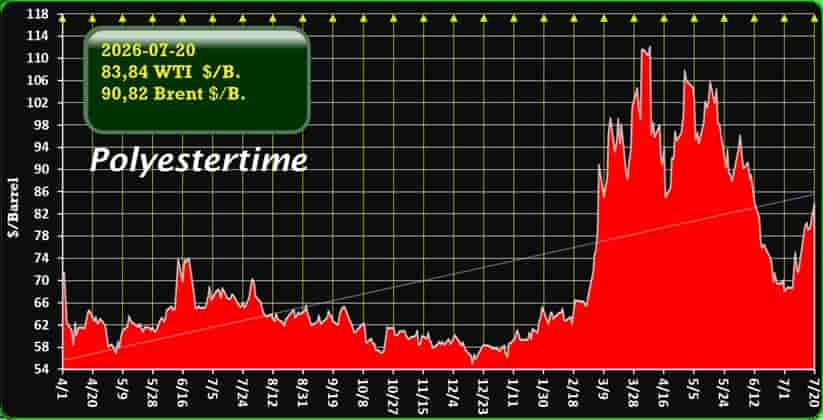
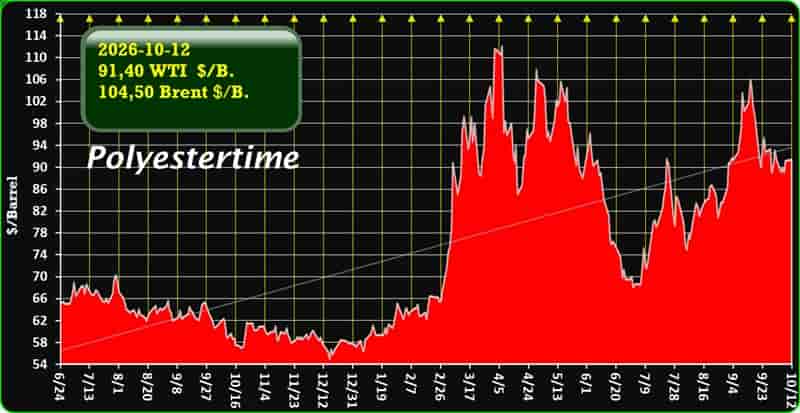
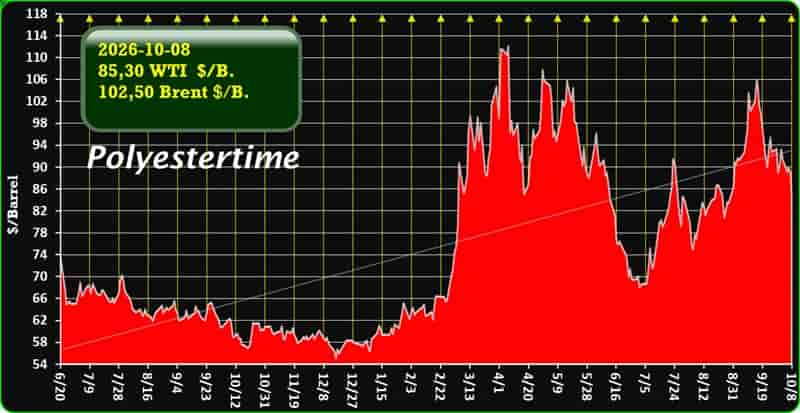
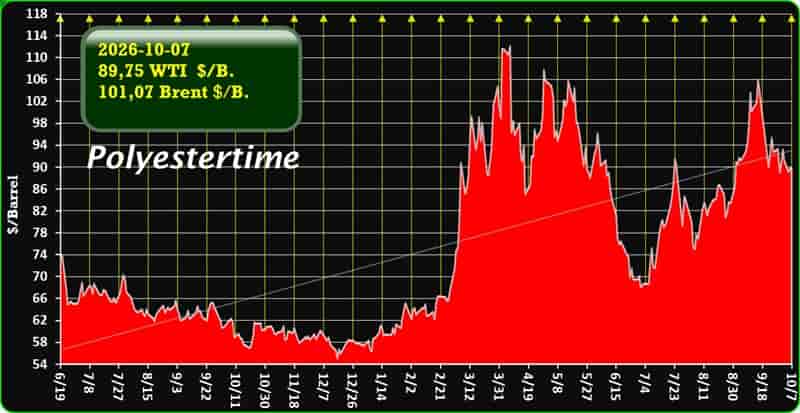
Oil prices have risen sharply as renewed fighting between the United States and Iran places global energy supplies under pressure. Brent crude, the principal international oil benchmark, is trading at approximately $91 per barrel, while US West Texas Intermediate, or WTI, is near $84 per barrel.
The immediate reason for the increase is a growing geopolitical risk premium. Traders are paying more for oil because the conflict threatens production, shipping and energy infrastructure across one of the world’s most important oil-producing regions.
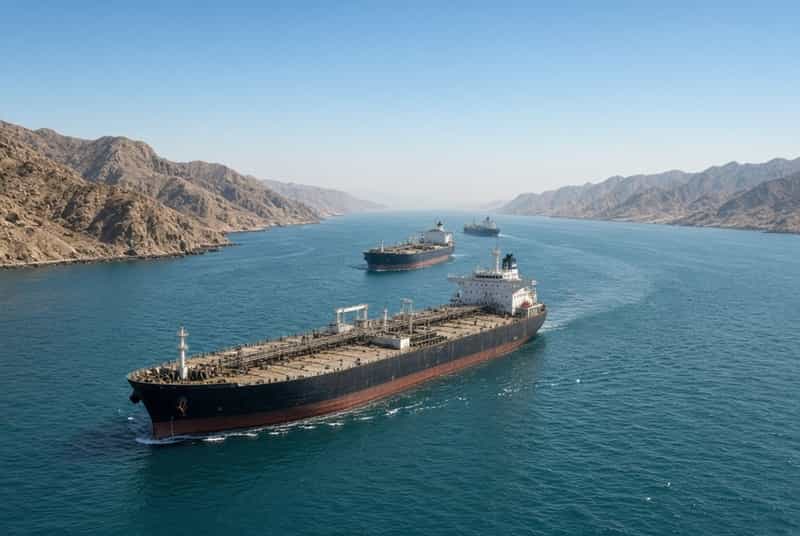
The decisive issue is not only how much oil Iran exports. Markets are particularly concerned about the Strait of Hormuz, the narrow maritime route connecting the Persian Gulf with the Arabian Sea.
Key points
-
Brent crude is trading at approximately $91 per barrel.
-
WTI crude is trading near $84 per barrel.
-
Renewed US-Iran military action has increased the risk of supply disruption.
-
Reduced or delayed traffic through the Strait of Hormuz could affect a much larger volume of oil than Iran’s exports alone.
-
Shipping costs, insurance premiums and fuel prices may rise even when physical supplies continue to reach the market.
-
Oil prices could remain highly volatile because they are responding to military and diplomatic developments in real time.
Why are oil prices rising?
The latest increase followed an intensification of US-Iran hostilities and renewed concerns about shipping in the Persian Gulf.
The Associated Press reported on July 20 that expanded US strikes and Iranian retaliation had affected regional security and stalled shipping traffic through the Strait of Hormuz. Its reporting also placed Brent above $90 per barrel.
MarketWatch reported that WTI had moved above $84 while Brent exceeded $90 as investors reacted to renewed military action, a naval blockade and the failure of an earlier ceasefire to produce lasting stability.
This does not mean that every dollar of the price increase represents oil that has already disappeared from the market. Part of the increase is a risk premium: the additional amount buyers are prepared to pay to protect themselves against the possibility of future shortages.
The premium can rise rapidly when military developments become difficult to predict. US-Iran oil prices
Why the Strait of Hormuz matters
The Strait of Hormuz is the central risk facing the oil market. It is a narrow passage used by exporters including Saudi Arabia, Iraq, Kuwait, Qatar and the United Arab Emirates, as well as Iran.
According to the International Energy Agency, approximately 20 million barrels per day of crude oil and petroleum products normally pass through the strait. That is equivalent to roughly one-fifth of global oil consumption.
A complete and prolonged closure would therefore have consequences far beyond Iranian oil exports.
Even a partial disruption can affect prices by:
-
delaying tanker journeys;
-
reducing the availability of ships;
-
increasing maritime insurance premiums;
-
raising freight and security costs;
-
forcing refiners to seek alternative crude supplies;
-
creating uncertainty over future deliveries.
The IEA has described disruption to oil and gas flows through Hormuz, together with attacks on regional energy infrastructure, as a major risk to energy security, affordability and the global economy.
What is supporting Brent near $91?
Brent is more directly exposed than WTI to changes in internationally traded crude supplies. It is therefore particularly sensitive to developments in the Middle East and to problems affecting maritime trade.
Its move toward $91 reflects several overlapping risks.
First, traders are concerned that military operations could damage production, storage, export terminals or pipelines.
Second, the market must account for possible restrictions on Iranian exports and the effect of blockades or sanctions enforcement.
Third, Gulf producers may be unable to export their normal volumes if tanker movements through Hormuz become unsafe or commercially unviable.
Finally, higher freight and insurance costs increase the delivered price of oil even when production itself has not declined.
These factors help explain why Brent has risen more sharply than it might have done in response to an isolated disruption affecting only one producer.
Why is WTI lower than Brent?
WTI is the principal US crude benchmark. It usually trades below Brent because it reflects supply, demand, storage and transportation conditions inside North America.
At approximately $84 per barrel, WTI is still showing a substantial geopolitical premium. However, the United States has significant domestic oil production and is not as directly dependent on crude transported through the Strait of Hormuz.
The difference between Brent and WTI, known as the Brent-WTI spread, is currently about $7 per barrel based on the approximate prices used in this article.
A widening spread can indicate that international supply concerns are having a greater effect on Brent than on the US market. Nevertheless, American consumers remain exposed because gasoline, diesel and other refined products are priced within an interconnected global market.
Could oil rise above $100?
A move above $100 per barrel is possible, but it is not inevitable.
Oil would be more likely to break that threshold if the market experienced one or more of the following developments:
-
a sustained shutdown of tanker traffic through Hormuz;
-
significant damage to regional oil infrastructure;
-
lower production from several Gulf countries;
-
a prolonged naval confrontation;
-
new sanctions that remove additional barrels from international markets;
-
insufficient replacement supply from other producers;
-
a rapid decline in commercial petroleum inventories.
Prices could also rise if refiners and importing countries begin buying additional oil as a precaution. Such stockpiling can tighten the spot market before an actual shortage develops.
The speed and duration of any move above $100 would depend on how much physical supply is lost, how long the disruption lasts and how quickly other producers or strategic reserves respond.
What could bring prices back down?
Oil prices could retreat if shipping through Hormuz becomes more reliable, military activity declines or the United States and Iran return to a credible diplomatic process.
The market has already demonstrated how quickly expectations can change. An interim US-Iran agreement in June raised hopes that the strait would reopen more fully and that blocked oil flows would recover. The IEA said that the diplomatic breakthrough had sent prices to their lowest levels since early March before fighting intensified again.
The US Energy Information Administration subsequently expected increasing production and recovering trade flows to place downward pressure on crude prices. Its July outlook projected Brent at an average of $74 per barrel during the third quarter of 2026, although that forecast was prepared before the latest escalation pushed the market back above $90.
That difference is important. Forecasts are conditional, not guaranteed. A projection based on easing tensions can become outdated when military or diplomatic conditions change.
Other factors that could reduce prices include:
-
increased production outside the affected region;
-
coordinated releases from strategic petroleum reserves;
-
weaker global economic growth;
-
lower demand from major importing economies;
-
rising commercial inventories;
-
more efficient use of pipelines that bypass Hormuz.
What higher oil prices mean for consumers
An increase in crude prices does not appear immediately or uniformly in consumer bills, but sustained increases tend to raise the cost of gasoline, diesel, aviation fuel and heating products.
Transport-intensive sectors are particularly exposed. Airlines, shipping companies, logistics groups, manufacturers and agricultural businesses may face higher operating costs.
Consumers can be affected through both direct and indirect channels. They may pay more at fuel stations while also encountering higher prices for food and goods that require significant transportation.
For central banks, another energy-price shock could complicate efforts to control inflation. Higher fuel costs can lift headline inflation even when underlying price pressures are moderating.
The eventual effect will depend on how long Brent remains near or above $90. A brief geopolitical spike would have less economic impact than a sustained period of expensive oil and disrupted shipping.
What should oil-market observers monitor?
The most important indicator is the volume and regularity of tanker traffic through the Strait of Hormuz. Announcements alone are less informative than evidence that ships are moving safely and consistently.
Other important signals include:
-
Verified attacks on oil fields, pipelines, terminals, refineries or tankers.
-
Export and production data from Gulf countries.
-
Changes in tanker insurance and freight rates.
-
US and allied naval operations in the region.
-
Iranian military and diplomatic statements.
-
Progress toward a ceasefire or negotiated shipping arrangements.
-
Petroleum-inventory reports from the US Energy Information Administration.
-
Emergency measures announced by the International Energy Agency or national governments.
Market participants should distinguish verified physical disruptions from political statements and unconfirmed social-media reports. During a fast-moving conflict, inaccurate claims can cause short-lived price movements before reliable information becomes available.
Oil-price outlook
The near-term outlook is unusually uncertain.
Brent around $91 and WTI near $84 suggest that the market is pricing in a serious threat to supplies, but not yet the most severe possible scenario. Prices appear to reflect restricted trade, higher transport costs and the possibility of further escalation rather than a complete, lasting loss of Gulf exports.
Three broad scenarios are possible.
De-escalation scenario
A ceasefire, successful negotiations or more reliable tanker passage could remove part of the geopolitical premium. Brent could fall relatively quickly if traders conclude that physical supplies will recover.
Prolonged-disruption scenario
Intermittent attacks and unreliable shipping could keep Brent elevated and volatile. Prices might remain above their pre-escalation levels even without a total closure of Hormuz.
Severe-escalation scenario
Major infrastructure damage or a sustained interruption affecting several Gulf exporters could send Brent above $100 and produce a wider shock across fuel, freight and consumer markets.
No scenario can be treated as certain. The direction of oil prices will depend more heavily than usual on verified developments in the conflict.
Frequently asked questions
Why are US-Iran oil prices rising?
Prices are rising because renewed military action has increased the risk of disrupted production and tanker traffic, particularly through the Strait of Hormuz.
How much are Brent and WTI currently worth?
At the time of publication on July 20, 2026, Brent is approximately $91 per barrel and WTI is approximately $84. Prices can change continuously while markets are open.
Does Iran control the Strait of Hormuz?
Iran does not have internationally recognized ownership of the entire strait, but its coastline, armed forces and geographic position give it considerable capacity to threaten or disrupt shipping in the area.
Will gasoline prices rise?
A sustained increase in crude and shipping costs would probably place upward pressure on gasoline and diesel prices. The timing and scale vary by country because taxes, refining capacity, inventories and exchange rates also affect retail prices.
Could Brent reach $100 per barrel?
Yes. A prolonged Hormuz disruption or major damage to Gulf energy infrastructure could push Brent above $100. De-escalation or restored shipping could instead cause prices to fall.
The bottom line
US-Iran oil prices are being driven primarily by the security of regional production and shipping.
Brent near $91 and WTI around $84 show that the market is attaching a substantial premium to the risk of further escalation. The Strait of Hormuz remains the critical variable because disruption there can affect oil exports from several major producers, not only Iran.
Prices could climb further if physical supplies deteriorate. They could also reverse rapidly if tanker traffic normalizes and a credible diplomatic agreement emerges.
For businesses, consumers and investors, the most reliable approach is to follow confirmed shipping data, official energy statistics and reporting from established news organizations rather than reacting to isolated or unverified claims.
Editorial note: Benchmark levels in this article are approximate market prices as of July 20, 2026 and may change rapidly. This article provides market analysis and does not constitute investment advice.
US-Iran Conflict Keeps Oil Prices Volatile as Supply Risks Return
More…