US–Iran War Pushes Oil Prices Higher as Supply Risks Intensify
US Iran oil prices
US–Iran War Pushes Oil Prices Higher as Supply Risks Intensify
Updated July 24, 2026
Oil prices remain close to psychologically important levels as escalating hostilities between the United States and Iran increase concerns about global energy supplies.
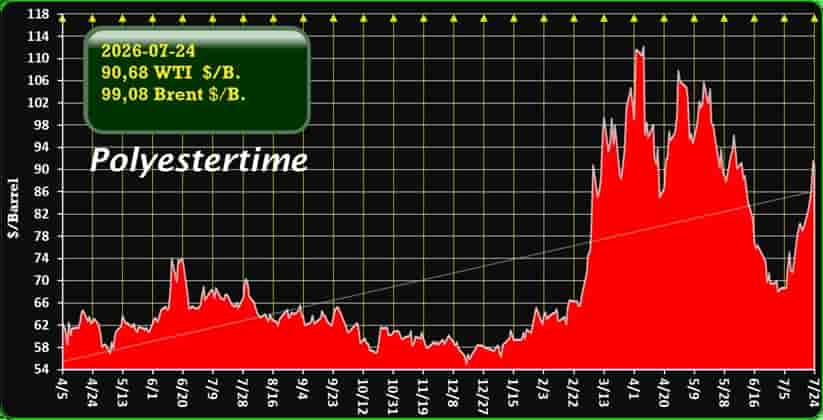
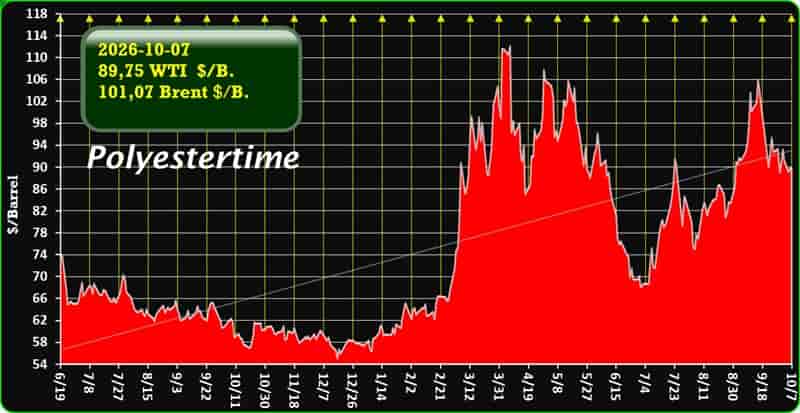
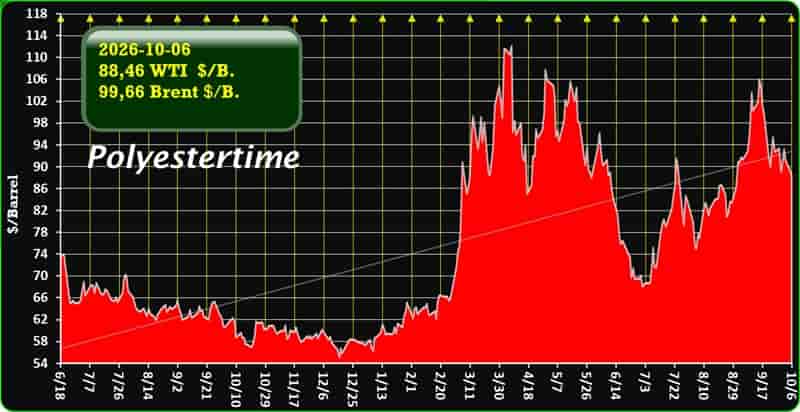
Brent crude was recently trading at approximately $99–$101 per barrel, while West Texas Intermediate, or WTI, was near $91–$92 per barrel. Prices can change rapidly during the trading session, but both benchmarks are heading toward substantial weekly gains.
The market is no longer reacting only to the fighting inside Iran. Traders are also assessing the possibility of disruption across two of the world’s most important maritime energy corridors: the Strait of Hormuz and the Bab el-Mandeb Strait.
Oil prices at a glance
At 01:26 GMT on July 24, Brent futures were reported at $99.68 per barrel, while WTI futures stood at $91.49 per barrel. Brent was on course for a weekly increase of about 13.5%, with WTI heading toward an approximately 11% gain. Later trading reports placed Brent slightly above $100, illustrating how quickly prices are moving.
The volatility followed a sharp rally during the previous session. Brent settled approximately 7% higher, while WTI gained 6.2%, after attacks on Saudi oil tankers in the Red Sea intensified concerns about shipping security.
These prices should therefore be treated as a market snapshot rather than a fixed daily value.
Why are oil prices rising?
The immediate cause is a growing geopolitical risk premium.
Oil traders are pricing in the possibility that military escalation could interrupt physical supplies, delay tanker movements or substantially increase the cost of transporting crude and refined products.
The United States military said it had completed a thirteenth consecutive night of strikes against Iran. Iran has warned that further escalation could place regional oil, gas and other economic infrastructure at risk.
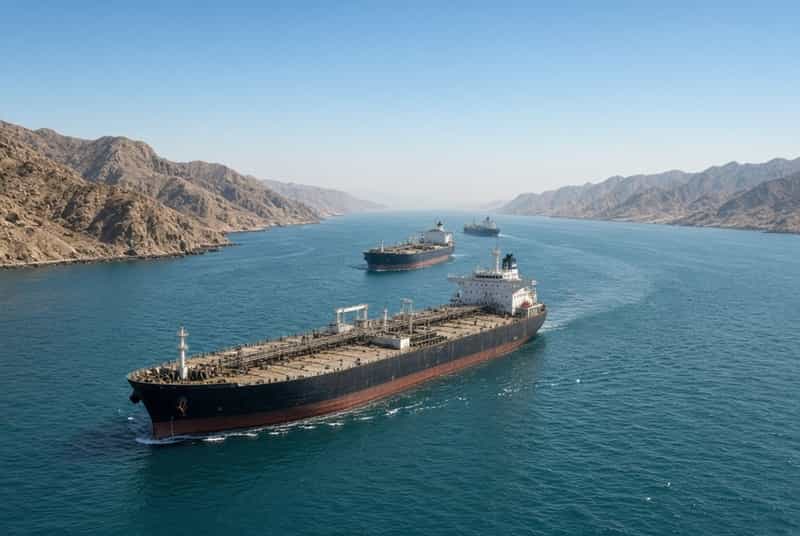
At the same time, Iran-aligned Houthi forces have claimed attacks on Saudi tankers in the Red Sea. That development has raised fears that shipping could be disrupted around Bab el-Mandeb, the narrow waterway connecting the Red Sea to the Gulf of Aden and the Indian Ocean.
The combination is especially important because the market must now consider risks affecting more than one shipping route.
The Strait of Hormuz remains the central risk
The Strait of Hormuz is the principal energy chokepoint in the conflict.
A major share of the oil exported by Gulf producers normally passes through the strait. Disruption does not need to involve a complete closure to affect prices. Mines, drone attacks, damaged vessels, higher insurance costs, naval restrictions or even credible threats can slow shipping and discourage tanker operators.
The International Energy Agency said Gulf oil exports recovered to approximately 16.1 million barrels per day in June, but remained well below the roughly 24 million barrels per day recorded before the war. The agency also warned that its outlook depends on tanker flows through Hormuz continuing to recover.
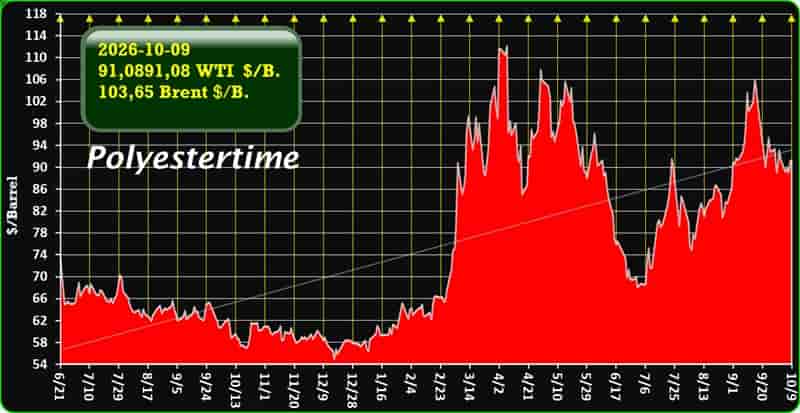
US Energy Information Administration data likewise show that Middle East disruptions produced unusually volatile Brent prices during the second quarter of 2026. Brent reached $118 per barrel in April before falling as low as $72 in late June.
This recent history explains why prices can rise or fall by several dollars in a single session when military or diplomatic headlines emerge.
A second threat in the Red Sea
The latest tanker attacks have expanded the market’s focus to Bab el-Mandeb.
This waterway is an important connection between the Indian Ocean, the Red Sea and the Suez Canal. If vessels cannot use it safely, some tankers may have to travel around the Cape of Good Hope.
That alternative can add distance, fuel consumption, crew expenses and delivery time. Insurance premiums may also rise even when oil production itself has not declined.
The market is therefore pricing both a potential loss of supply and a possible deterioration in the logistics needed to deliver available barrels.
Why Brent is more expensive than WTI
Brent is the main international benchmark and is generally more exposed to changes affecting seaborne oil trade.
WTI reflects conditions in the United States and is closely connected to North American production, pipelines and storage. It still reacts strongly to global conflict, but the United States has a large domestic production base that can provide some insulation from overseas disruption.
The Brent–WTI price difference has consequently widened as traders assign a larger risk premium to internationally traded barrels.
Low inventories at Cushing, Oklahoma—the delivery point for WTI futures—can nevertheless provide additional support for the US benchmark. The EIA reported that Cushing inventories remained below 20 million barrels from the week ending June 19 through the week ending July 10.
The impact could extend beyond crude oil
Consumers and businesses do not purchase crude oil directly. They purchase gasoline, diesel, jet fuel, heating fuels and products transported through fuel-intensive supply chains.
The IEA reports that the recovery in refined-product shipments has been slower than the recovery in crude exports. Gulf exports of refined products and liquefied petroleum gas remained below half their pre-war level in June, while refinery margins moved to four-year highs.
This distinction matters. Crude prices could stabilize while diesel, aviation fuel or shipping costs remain elevated because of refinery limitations and logistical bottlenecks.
Persistent increases could affect:
-
Petrol and diesel prices
-
Airline operating expenses and ticket prices
-
Freight and delivery costs
-
Agricultural and manufacturing expenses
-
Consumer inflation
-
Central-bank interest-rate decisions
The scale of the eventual impact will depend on how long the disruption lasts and whether physical oil deliveries decline significantly.
What could push oil above $100 again?
Brent could establish itself above $100 if the conflict causes measurable and prolonged supply losses.
The main upside risks include:
-
A substantial reduction in traffic through the Strait of Hormuz
-
A sustained closure or severe disruption around Bab el-Mandeb
-
Damage to oil fields, export terminals, refineries or pipelines
-
Wider military involvement by regional states
-
Additional sanctions or restrictions on Iranian exports
-
Higher tanker insurance costs and longer shipping routes
The sharp increase to an intraday level near $102 on July 23 demonstrates how quickly the market can respond to an apparent deterioration in shipping security.
What could bring prices down?
Oil prices could retreat if diplomacy reduces the risk to energy infrastructure and maritime traffic.
A credible ceasefire, guarantees for commercial navigation or a sustained recovery in Gulf exports would remove part of the geopolitical premium.
Supply outside the Middle East may also limit a prolonged increase. The EIA previously forecast that global production and trade could recover toward pre-conflict levels by the end of 2026, although that projection was based on improved shipping conditions following the June agreement. Renewed escalation makes the timing less certain.
Weaker global economic growth could also reduce oil demand. However, demand-related pressure may be outweighed in the short term if traders believe that a major supply route is in immediate danger.
Three scenarios for the oil market
1. De-escalation
Diplomatic negotiations resume, shipping conditions improve and no major energy infrastructure is damaged.
Under this scenario, the risk premium could decline quickly. Brent could fall back below recent highs, although tight refined-product markets may prevent an equally rapid reduction in fuel prices.
2. Prolonged but contained conflict
Military operations continue, but the main export routes remain at least partially open.
Prices would probably remain volatile and elevated. Brent could repeatedly move around the $90–$105 range as markets respond to individual attacks, negotiations and tanker movements.
This is a scenario range, not a price forecast. US Iran oil prices
3. Major regional disruption
Hormuz or Bab el-Mandeb becomes largely inaccessible, or strategically important oil infrastructure suffers extensive damage.
Prices could rise sharply above $100. The eventual level would depend on the number of barrels removed from the market, the duration of the interruption and the scale of emergency stock releases.
What to watch next
The most important indicators are physical rather than rhetorical.
Market participants should monitor tanker traffic through Hormuz and Bab el-Mandeb, confirmed damage to energy infrastructure, export volumes from Gulf producers, freight rates, insurance costs and official inventory data.
Diplomatic developments remain important, but an announcement will influence the market most strongly when it produces a verifiable improvement in shipping and supply.
The bottom line
US Iran oil prices are being driven by a widening threat to global energy transportation.
Brent near $99–$101 and WTI near $91–$92 reflect both current logistical disruption and the possibility of a more serious supply shock. The appearance of simultaneous risks in the Strait of Hormuz and the Red Sea has made the market particularly sensitive to military and diplomatic news.
A durable improvement in shipping conditions could remove part of the price premium. Further attacks on tankers, export facilities or regional energy infrastructure could push prices substantially higher.
Readers should therefore expect rapid movements and distinguish intraday quotations from official settlement prices.
Frequently asked questions
Why is the US–Iran conflict affecting oil prices?
The conflict threatens production facilities and shipping routes used to transport Middle Eastern oil. Traders raise prices when they believe future deliveries may become less reliable or more expensive.
What is the difference between Brent and WTI?
Brent is the leading international benchmark for seaborne crude. WTI is the principal US benchmark and reflects North American production, storage and pipeline conditions.
Could Brent remain above $100 per barrel?
Yes, particularly if shipping through Hormuz or Bab el-Mandeb deteriorates. Prices could also retreat rapidly if the conflict de-escalates and export flows recover.
Does a higher crude price immediately raise petrol prices?
Not always immediately. Retail fuel prices also depend on refinery capacity, inventories, taxes, transport costs, exchange rates and regional competition.
Are the quoted oil prices fixed for the day?
No. Futures trade continuously during market hours, so Brent and WTI quotations can change significantly before the official settlement.
Oil Prices Near $100 as US–Iran War Escalates
More…