176 km per liter? What we know about the six-stroke engine
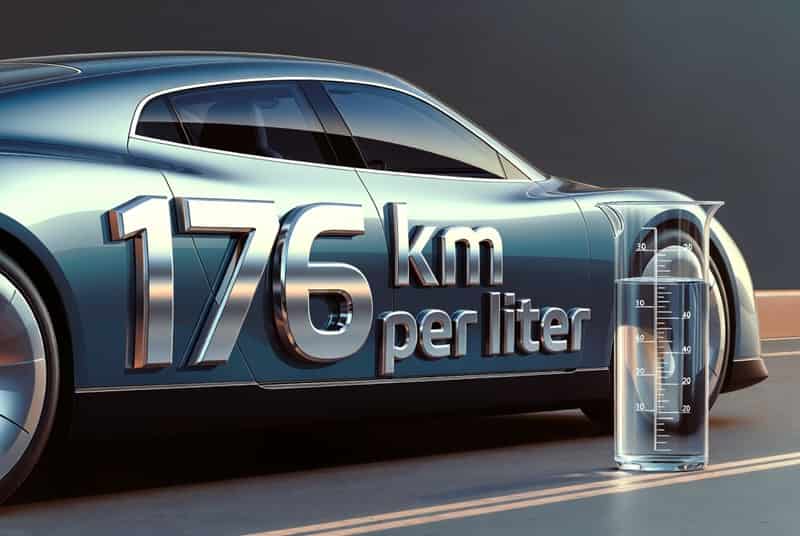
An Indian inventor says his modified motorcycle can achieve 176 kilometers per liter. Here is what is known about the six-stroke engine and why independent testing is still essential.

An Indian inventor says his modified motorcycle can achieve 176 kilometers per liter. Here is what is known about the six-stroke engine and why independent testing is still essential.
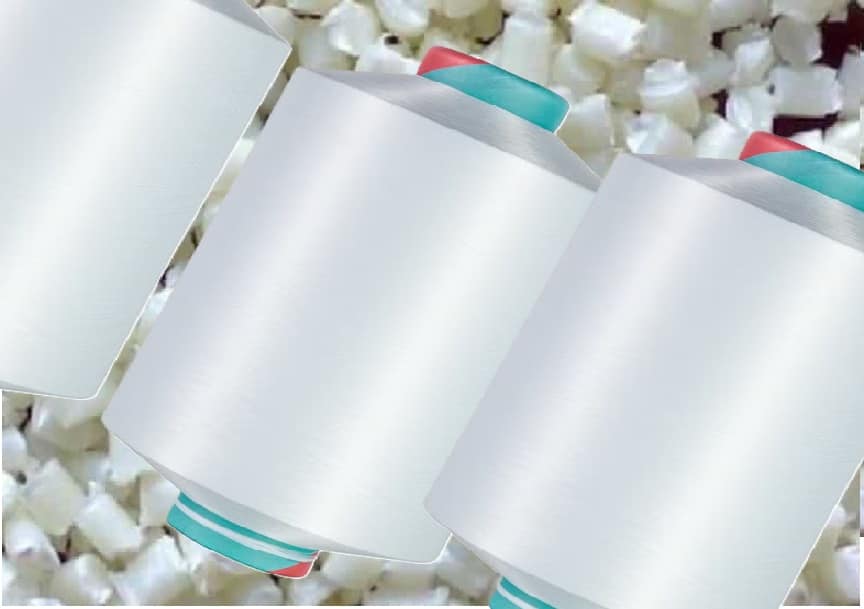
Explore the latest research news on highly degradable polyesters designed to maintain chemical and thermal stability via oxidative chemistry. Understand synthesis methods, degradation pathways, industrial relevance, and sustainability.
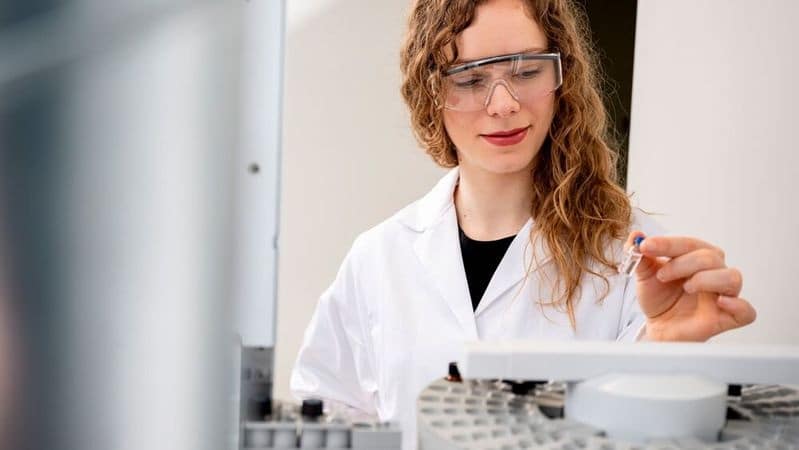
Scientists at the University of Oldenburg have developed a breakthrough process that turns garden waste, hay, and algae into fully biodegradable plastics. Using polybutylene succinate (PBS) as the base, this innovation offers a sustainable alternative to conventional plastics in packaging, medical products, automotive components, and insulation. The EcoPBS project focuses on transforming organic residues into high-performance, recyclable plastics through advanced fermentation techniques, purification processes, and energy-efficient production. By leveraging machine learning, 3D modeling, and renewable energy strategies, the research team is not only producing eco-friendly materials but also closing the loop in the circular economy. With funding from Germany’s Federal Ministry of Research, this technology could pave the way for widespread industrial adoption, reduce plastic pollution, and turn everyday organic waste into a valuable resource.