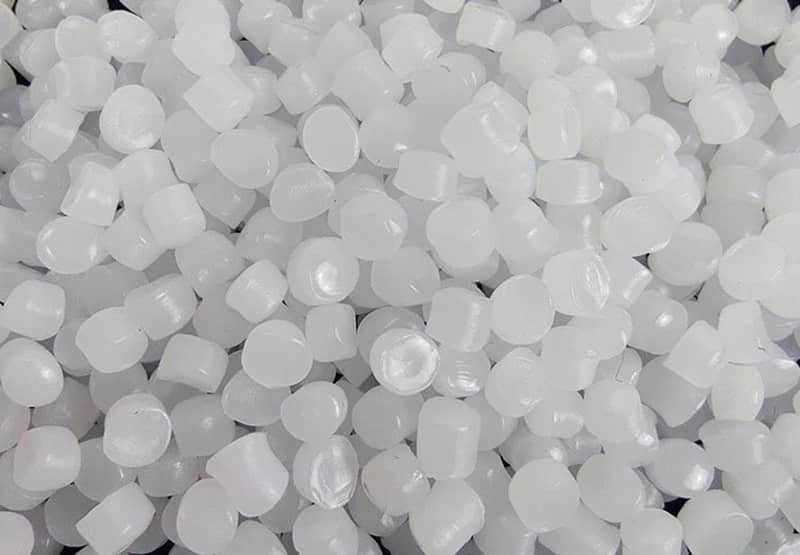
Plastic raw material prices 2026 Surge : Europe, Asia and Far East Under Pressure
Plastic raw material prices 2026 Surge : Europe, Asia and Far East Under Pressure
As of April 30, 2026, global plastic raw material prices are experiencing a sharp and sustained increase, driven by rising feedstock costs, geopolitical instability, and ongoing supply chain disruptions. Key polymers such as polyethylene (PE), polypropylene (PP), polyethylene terephthalate (PET), and polyvinyl chloride (PVC) are all affected, with significant regional variations across Europe, Asia, and the Far East.
The plastics market has entered a phase of structural inflation, with polypropylene prices rising by over 30% year-to-date. In Europe, prices have reached between 2080 and 2240 €/ton, supported by strong demand and limited supply. Weekly increases of 100–130 €/ton have been recorded, highlighting the intensity of the current market pressure. plastic raw material prices 2026
This surge is primarily linked to the dramatic increase in petrochemical feedstocks. Propylene prices rose by approximately 465 €/ton in April alone, while ethylene increased by around 450 €/ton. These upstream cost increases are directly transferred to polymer production, pushing prices higher across the board.
Europe: Energy Crisis and Supply Constraints
Europe is currently one of the most impacted regions. High energy costs, combined with reduced production rates and dependence on imports from the Middle East, have created a tight market environment. plastic raw material prices 2026
Polyethylene prices have increased by 200–300 €/ton, with peaks reaching up to 500 €/ton in some cases. PVC is also affected due to high electricity costs required for chlorine production. As a result, converters and manufacturers are facing strong margin pressure and are forced to pass costs downstream.
Asia: Feedstock Shock and Industrial Impact
Asia is experiencing a different but equally severe dynamic. The region is heavily affected by feedstock price volatility, particularly naphtha. Refining margins have surged from around $100 per ton to over $400 per ton following geopolitical disruptions.
In China, polypropylene prices have reached approximately 9100 CNY per ton, marking a 26% year-on-year increase. India shows slightly more stable pricing, but still reflects upward pressure. plastic raw material prices 2026
The rising cost of raw materials is forcing industries to adapt, with some companies shifting from plastic to alternative materials such as paper, especially in packaging applications.
Far East: Market Reversal and Demand Volatility
The Far East, including major producers like China, South Korea, and Japan, has experienced a significant shift compared to 2025. After a period of weak demand and declining prices, 2026 has brought a sharp reversal.
This region remains highly exposed to global supply chains and energy imports, making it particularly sensitive to external shocks. The result is increased volatility and uncertainty in both pricing and demand. plastic raw material prices 2026
Supply Chain Disruptions and Geopolitical Impact
The ongoing tensions in the Middle East have significantly disrupted global petrochemical supply chains. The region accounts for over 40% of global polyethylene exports, and any disruption has immediate global consequences.
Shipping delays, increased freight costs, and insurance premiums have further amplified the crisis. In some segments, plastic prices have increased by up to 50% due to reduced availability and rising logistics costs.
Feedstock Chain Reaction
The plastics industry clearly illustrates a cascading pricing effect:
Petroleum ↑ → Naphtha ↑ → Monomers (ethylene, propylene) ↑ → Polymers ↑ → Final product prices ↑
This chain reaction is currently the dominant force shaping the market. plastic raw material prices 2026
Industry Impact
The consequences are widespread across multiple sectors:
- Packaging: costs increased by 40–50% in some segments
- Automotive: rising component costs, especially for polypropylene
- Textiles: polyester prices up by 20–25%, affecting fast fashion
Companies are responding with price increases, contract renegotiations, and in some cases reduced production.
Outlook for Q2–Q3 2026
The short-term outlook remains uncertain but points toward continued high prices:
- Base scenario: sustained elevated pricing levels
- Risk scenario: further increases of 20–30% if geopolitical tensions escalate
- Optimistic scenario: stabilization if energy markets normalize
Demand slowdown in certain industries may provide partial relief, but structural pressures remain strong.
Conclusion
The global plastics market in 2026 is undergoing a major transformation driven by raw material cost inflation and geopolitical instability. Europe faces an energy-driven crisis, Asia is under pressure from feedstock volatility, and the Far East is dealing with demand fluctuations.
The market remains highly interconnected, and oil prices combined with geopolitical developments will continue to be the key drivers in the coming months. plastic raw material prices 2026
Global Plastic Raw Materials Market Report – Extended Version
Date: April 30, 2026
Executive Summary
In Q1–Q2 2026, the global plastics market has entered a strong inflationary phase:
- +30–34% YTD for polypropylene (PP)
- Weekly increases of up to +100–130 €/ton in Europe
- General polymer price increases of +150–450 €/ton
The main drivers are a combination of:
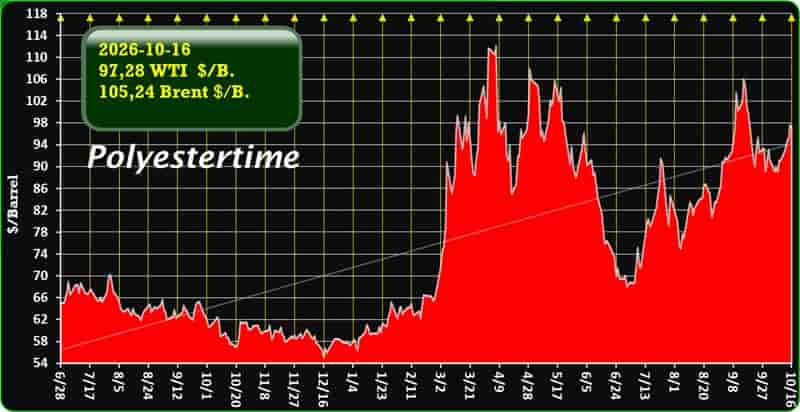
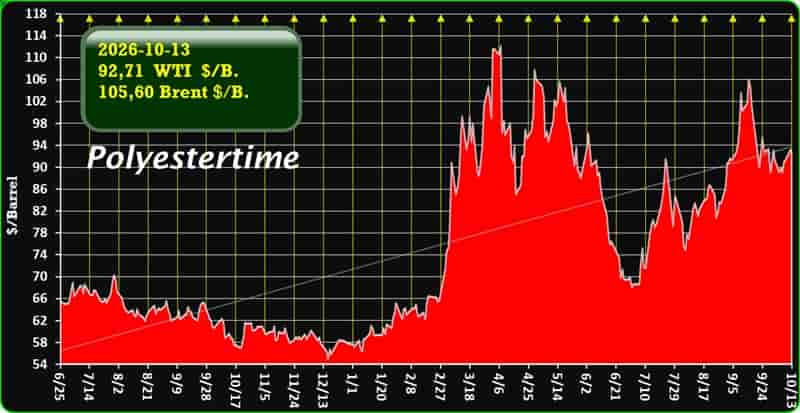
- Energy shock (oil ~100 USD/barrel)
- Middle East war → supply chain crisis
- Record increase in monomers (ethylene +450 €/t, propylene +465 €/t)
1. Global Chart – PP Price Trend (2025–April 2026)
Global PP price (USD/kg)
1.60 ┤                █ Apr 2026 (~1.57 EU)
1.50 ┤          █
1.40 ┤
1.30 ┤
1.20 ┤     █
1.10 ┤  █
1.00 ┤█
Dec 2025 Mar 2026 Apr 2026- Europe: 1.57 USD/kg (Mar 2026)
- Asia (China benchmark): +26% YoY, ~9100 CNY/t
👉 Trend: rapid growth from late 2025 → strong acceleration in 2026 plastic raw material prices 2026
2. EUROPE – Detailed Analysis
Current Prices (April 2026)
Polypropylene (PP) – Northwest Europe
- 2080–2240 €/ton FCA
- +100–130 €/ton in one week
Propylene (key feedstock)
- 1465 €/ton April contract (+465 €/t vs March)
Polyethylene (PE)
- Average increases: +200–300 €/ton
- Possible peaks: +500 €/ton
Indicative PE base prices (Central Europe)
- HDPE: ~986–1000 €/t
- LDPE: ~1022 €/t
Chart – Europe (Monthly Change 2026)
Price change (€/ton)

+500 ┤            █ (PE/PP peaks)
+400 ┤        █
+300 ┤     █
+200 ┤   █
+100 ┤ █
   Mar      Apr 2026
Main Drivers – Europe
- Dependence on Middle East feedstocks
- High energy costs (energy-intensive chemical production)
- Reduced production rates (low utilization)
👉 Result: structurally tight market conditions
3. ASIA – Detailed Analysis plastic raw material prices 2026
Prices and Trends
- China PP: ~9100 CNY/t (+26% YoY)
- India: ~1.08 USD/kg (more stable)
Naphtha Shock (key feedstock)
Asian refining margins:
- from $108 → over $400/ton
👉 massive upstream cost increase
Chart – Asia Feedstock Shock
Naphtha margin ($/ton)

400 ┤              █ Apr 2026
300 ┤
200 ┤
100 ┤ █ Pre-crisis
     Before war   After escalation
Key Effects – Asia
- Strong increase in production costs plastic raw material prices 2026
- Reduced converter margins
- Shift toward alternatives (paper packaging)
👉 Asia = most vulnerable region
4. FAR EAST (China, Korea, Japan)
Trend 2025 → 2026
- 2025: weak demand → falling prices
- 2026: reversal → strong growth due to global shock plastic raw material prices 2026
Main dynamics
- High dependence on energy imports
- Volatile industrial demand plastic raw material prices 2026
- Strong exposure to global supply chains
Chart – Far East Trend Reversal
PP Price Index

110 ┤          █ 2026
100 ┤
 90 ┤  █ 2025
      2025    2026
5. Feedstock and Value Chain
April 2026 increases
- Ethylene: +450 €/t
- Propylene: +465 €/t
- Styrene: +469 €/t
👉 direct pass-through to polymer prices plastic raw material prices 2026
New Recycling Center Boosts Efficiency and Innovation – Polymer Price Trends
More…