Groundbreaking ETH Zurich Plastic Waste Upcycling Revolutionizes Recycling
Groundbreaking ETH Zurich Plastic Waste Upcycling Revolutionizes Recycling
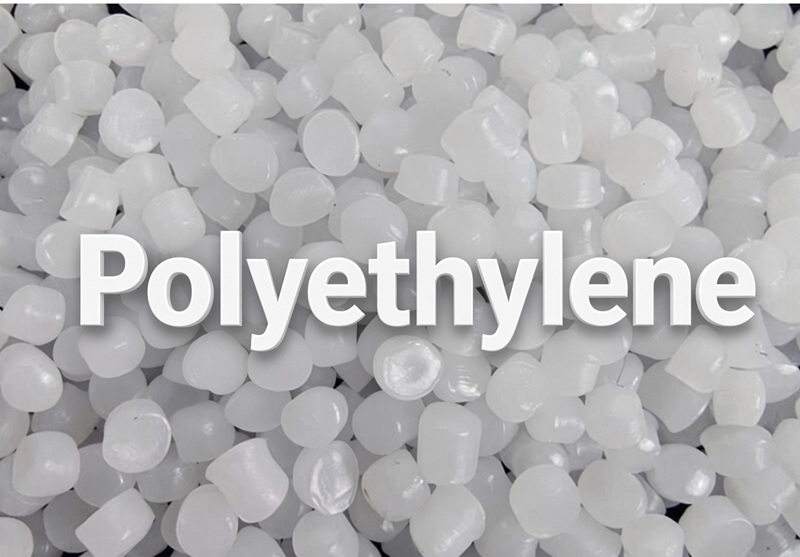
Global plastic pollution presents one of the most stubborn environmental challenges of the modern era. With annual global production hovering around 450 million tonnes, the vast majority of packaging materials follow a linear, single-use trajectory that concludes in incinerators or overflowing landfills. Among these, polyolefins—specifically polyethylene (PE) and polypropylene (PP)—account for roughly half of total global plastic consumption. plastic waste upcycling
Historically, repurposing these massive polymer streams has proven exceptionally difficult. Traditional mechanical recycling degrades polymer integrity, while conventional chemical pathways rely on energy-intensive pyrolysis. However, a transformative breakthrough developed at ETH Zurich is redefining how industry approaches circular materials, turning low-value waste into high-performance commercial assets.
Overcoming the Structural Limitations of Polyolefins
Polyolefins consist exclusively of carbon and hydrogen atoms, lacking the reactive oxygen, nitrogen, or chlorine functional handles required for targeted chemical breakdown. Because selective cleavage into pristine monomers has remained chemically unviable, traditional processing has been restricted to thermal cracking or downcycling.
When melted and recast, polyolefins suffer from structural degradation and discoloration, limiting secondary applications to low-grade products such as plastic pallets, paving slabs, or garden containers. Energy-intensive pyrolysis breaks down the polymer backbone randomly at high temperatures, requiring complex reforming steps to rebuild usable building blocks. plastic waste upcycling
+-----------------------------------------------------------------------+
|              Traditional vs. Novel Upcycling Pathways                 |
+-----------------------------------+-----------------------------------+
| Conventional Pyrolysis            | ETH Zurich Direct Grafting        |
+-----------------------------------+-----------------------------------+
| High-temperature thermal cracking | Single-step solvent reaction      |
| Random backbone breakdown         | Precise polymer chain modification|
| High energy consumption           | Low energy, mild conditions       |
| Yields generic petroleum feeds    | Yields high-value specialty goods |
+-----------------------------------+-----------------------------------+
To bypass these limitations, a research team led by polymer chemist and ETH professor Tae-Lim Choi, alongside senior scientist Hongsik Kim, engineered a direct modification method that avoids breaking the plastic down entirely, opting instead to upgrade its molecular architecture. plastic waste upcycling
A Single-Step Chemical Innovation for Advanced Adhesives
The newly patented ETH Zurich technique introduces functionality directly onto standard polyethylene and polypropylene waste streams in a single, highly controllable step. By utilizing specialized solvents exposed to short-wavelength light, the process generates reactive chlorine radicals that activate targeted carbon sites along the existing polymer backbone. Additional polymer chains are then grafted onto these active sites.
This precise control mechanism allows scientists to determine exactly how many active sites are created, tailoring the resulting chemical properties. The first commercial proof-of-concept developed by the team turned ordinary discarded plastic bags and bottles into high-performance industrial adhesives. plastic waste upcycling
  [ Post-Consumer PE / PP Waste ]
                 |
                 v
  [ Dissolution in Halogenated Solvent + Short-Wave Light ]
                 |
                 v
  [ Generation of Targeted Carbon Radicals ]
                 |
                 v
  [ Monomer Addition & Polymer-on-Polymer Grafting ]
                 |
                 v
  [ High-Value Output: Industrial Adhesives & Barrier Films ]
Laboratory testing demonstrated that these upcycled adhesives exhibit exceptional bond strength across challenging structural substrates, including metal, glass, and wood. These performance characteristics meet rigorous industrial standards required for load-bearing joints in automotive manufacturing and heavy equipment fabrication. plastic waste upcycling
Expanding Horizons: Barrier Packaging and Material Upgrading
Beyond industrial adhesives, the flexibility of the grafting process unlocks an expansive spectrum of chemical behaviors. By altering the grafted polymer chains, researchers can introduce polar groups, acid-base functionalities, or moisture-reactive sites into otherwise inert polyolefin structures.
Commercial collaborations currently underway focus on specialized food packaging applications. Standard polyolefin films often allow ambient oxygen to permeate over time, causing food degradation in storage. The new upcycling method enables the creation of dual-action films that are both waterproof and oxygen-impermeable, significantly extending product shelf life and reducing food waste.
Furthermore, these modified polymers function effectively as molecular binding agents. When blended into lower-grade recycled plastic streams, the grafted materials bridge polymer interfaces, dramatically upgrading brittle or weak recyclates into durable, high-integrity structural resins. plastic waste upcycling
Summary of Polyolefin Upcycling Metrics
+---------------------+-------------------+---------------------+------------------+
| Processing Parameter| Traditional Mech. | Pyrolysis Cracking  | ETH Grafting Tech|
+---------------------+-------------------+---------------------+------------------+
| Energy Input        | Moderate (Heat)   | Very High (>400°C)  | Mild / One-Step  |
| Product Quality     | Degraded / Dark   | Intermediate Oil    | High-Value Goods |
| Functional Control  | None              | Low (Random)        | Precise / Tunable|
| Target Application  | Low-grade plastic | Petrochemical feed  | Adhesives & Films|
+---------------------+-------------------+---------------------+------------------+
Accelerating Industrial Adoption and Commercialization
With the patent successfully published and recognized through prestigious nominations like the ETH Spark Award, the research team has experienced strong interest from industrial partners. Because the process dispenses with expensive catalysts and high-temperature reactors, scaling the technology presents a cost-effective pathway for chemical manufacturers looking to meet strict regulatory and sustainability targets. plastic waste upcycling
As commercial pilot projects advance, plastic waste upcycling represents a paradigm shift for the plastics economy. By converting ubiquitous packaging waste into high-margin functional materials, this innovation bridges the gap between environmental stewardship and industrial profitability. plastic waste upcycling
Unstoppable $60M Facility Revolutionizes Food-Grade Plastic Recycling in Africa
More…