Oil Prices Iran: Why Brent and WTI Are Rising Again
Oil Prices Iran: Why Brent and WTI Are Rising Again
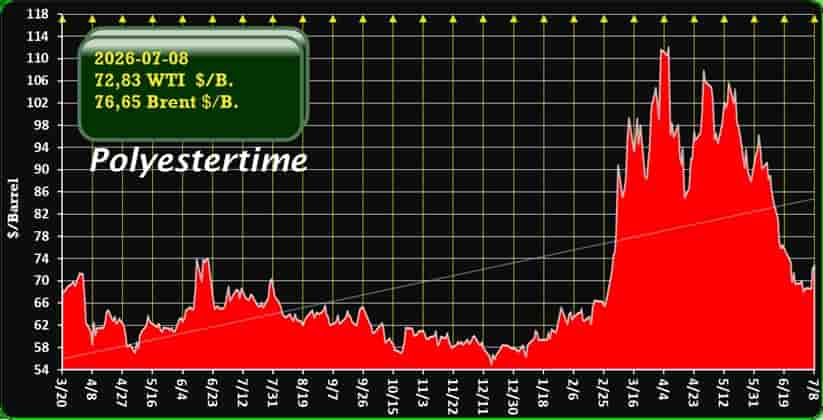
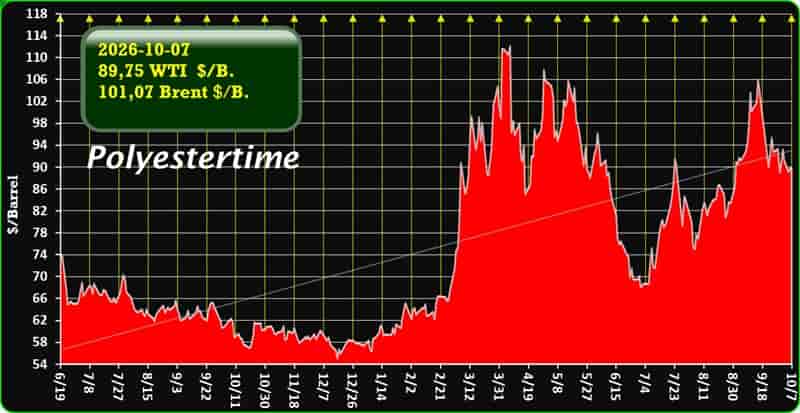
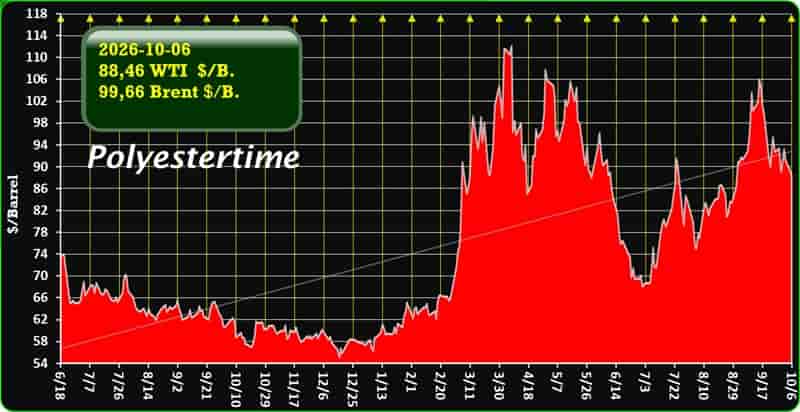
Oil prices are once again being pulled between two powerful forces: geopolitical risk around the US-Iran war and signs that global oil supply may be improving. With Brent crude trading around $77 per barrel and WTI near $73 per barrel, the market is no longer in the panic phase seen earlier in the conflict, but it is clearly not calm either.
The latest move reflects renewed concern over the Strait of Hormuz, Iranian oil exports and the durability of the fragile US-Iran ceasefire framework. For consumers, companies and investors, the key question is simple: are current oil prices signaling a temporary risk premium, or the start of another major energy shock?
Why oil prices are moving now
The immediate trigger is renewed tension between Washington and Tehran. AP reported that the US military attacked Iranian targets after saying Iran struck three ships in the Strait of Hormuz, while the US also revoked Iran’s ability to sell crude openly on world markets. Iran then retaliated with strikes targeting Bahrain and Kuwait, raising fears that the regional conflict could widen again.
MarketWatch also reported that crude prices rose after the US canceled a license that had temporarily allowed Iran to sell sanctioned oil, with the move adding uncertainty to tanker traffic through the Strait of Hormuz and threatening the June ceasefire arrangement.
That matters because oil markets respond not only to barrels lost today, but also to the probability of barrels being lost tomorrow. Even when physical supply is still moving, the risk of disruption can lift prices quickly.
Why the Strait of Hormuz remains central
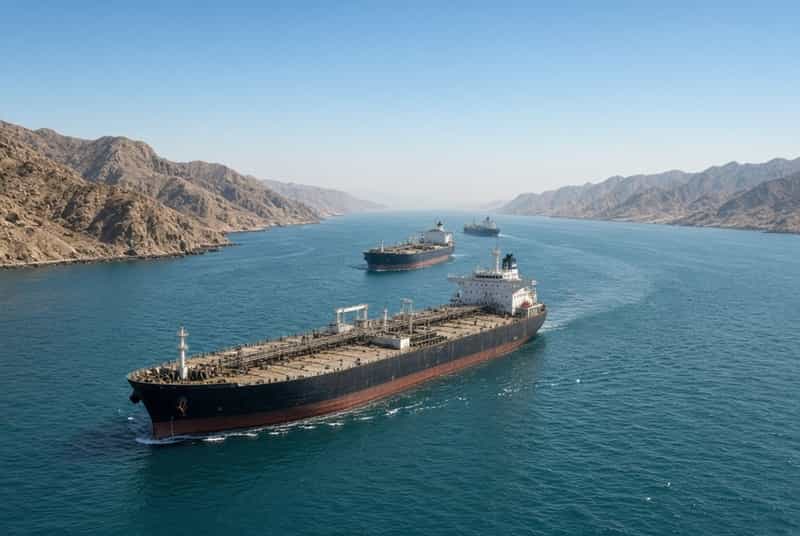
The Strait of Hormuz is the main reason the US-Iran war has had such an outsized effect on oil prices. The EIA describes it as a major global oil transit chokepoint and says its effective closure earlier in the conflict significantly disrupted global oil flows and created major price volatility.
The IEA previously warned that flows through the Strait had fallen sharply from around 20 million barrels per day of crude and oil products before the war, creating what it described as the largest supply disruption in the history of the global oil market.
This is why traders react so strongly to every report of ship attacks, rerouting, sanctions or military retaliation. The market is not just pricing Iran’s own oil exports. It is pricing the security of one of the world’s most important energy corridors. oil prices Iran
Why Brent near $77 and WTI near $73 are important
Brent at around $77 and WTI near $73 suggest a market that is worried, but not yet convinced that a full-scale supply crisis is returning. These prices are below the spring peak, when the EIA says Brent had reached much higher levels before falling sharply as supply expectations improved. The EIA’s latest Short-Term Energy Outlook says Brent averaged $85 per barrel in June, down $22 from May and $32 from its April 2026 peak.
That drop tells us something important: the market has already moved away from the worst-case scenario. More tanker traffic, emergency stock releases, rerouted supplies and increased production outside the Middle East helped ease the pressure.
Still, Brent near $77 is not a “normal” price if the market were fully relaxed. It contains a geopolitical risk premium. The premium is smaller than it was during the most severe disruption, but it has not disappeared.
The supply picture is improving, but fragile
The EIA now expects ongoing oil inventory accumulation to put downward pressure on crude prices over the next year. Its forecast places Brent at an average of $74 per barrel in the third quarter of 2026 and $65 per barrel in 2027.
That forecast suggests the baseline market view is no longer dominated by shortage. Instead, the EIA sees increasing supply and moderating inventory draws as key reasons for lower prices.
But forecasts depend on conditions remaining manageable. If shipping through Hormuz is disrupted again, or if the US-Iran ceasefire collapses completely, supply assumptions can change fast. This is why the current price zone matters: it reflects a market trying to balance improving fundamentals against a real geopolitical tail risk.
Iran’s oil exports are back in focus
The US decision to revoke Iran’s temporary oil-sale license adds another layer of pressure. According to AP, that license had allowed Iran to sell oil openly on the international market for US dollars for the first time in years. AP also noted that Iran has long been suspected of selling sanctioned crude below market prices, particularly to China.
For the oil market, this creates two separate effects. First, it can reduce legal Iranian supply. Second, it can increase uncertainty over sanctions enforcement, shadow fleet activity and discounted crude flows. Even if some barrels still move, they may move less efficiently and with higher political risk.
That uncertainty can support prices, especially if buyers worry that future cargoes may be delayed, rerouted or targeted by sanctions.
What could push oil prices higher?
Oil prices could rise further if three risks materialize.
First, tanker attacks in or near the Strait of Hormuz could become more frequent. Even limited attacks can increase insurance costs, delay shipments and reduce effective supply.
Second, the ceasefire or memorandum framework between the US and Iran could break down. AP reported that the latest military exchange raised the risk that the interim agreement could unravel, even though neither side immediately signaled a full withdrawal from talks.
Third, stricter sanctions enforcement on Iranian oil could remove more barrels from the open market. If that happens at the same time as renewed shipping disruption, the price impact could be stronger.
What could pull oil prices lower?
Oil prices could fall if shipping flows through Hormuz continue to improve and if diplomatic talks regain momentum. The EIA said increased tanker traffic after the June 18 US-Iran memorandum was a primary driver of downward pressure on prices in recent weeks.
Prices could also soften if non-Middle East supply keeps rising. The EIA cited increased exports from producers outside the Middle East, especially in North and South America, as one factor that helped moderate prices.
A weaker demand outlook would also weigh on crude. If high prices, slower economic growth or reduced transport activity curb consumption, the market may become less vulnerable to geopolitical shocks.
What this means for consumers and inflation
For consumers, the most visible effect of oil prices is usually fuel. The EIA expects lower crude prices to help reduce US retail gasoline prices in the third quarter of 2026 compared with the second quarter, although low gasoline inventories may keep margins elevated in the near term.
That means lower crude prices do not always translate immediately into cheaper fuel. Refining margins, inventories, taxes, currency movements and distribution costs all matter. Still, if Brent stabilizes around the mid-$70s rather than returning to triple digits, the inflation impact should be more contained than during the peak of the conflict.
Market outlook: a tense but not panicked oil market
The current oil market is tense, not panicked. Brent near $77 and WTI near $73 show that traders are pricing renewed US-Iran risk, but they are not yet pricing a full return to the worst disruption seen earlier in 2026.
The most important variable remains the Strait of Hormuz. If shipping remains open and supply continues to normalize, oil prices may drift closer to the EIA’s lower forecast path. If military escalation interrupts tanker traffic again, the market could quickly rebuild a larger risk premium.
For now, oil prices are sending a clear message: the supply shock has eased, but the geopolitical risk has not gone away.
Oil Prices Iran: Why Brent and WTI Are Holding Below War-Premium Levels
More…