Why Slovak Scientists Built a Mind-Blowing Edible Bioplastic Out of Algae
Slovak biotechnologists at BioX Technologies have unveiled a breakthrough bioplastic made from microalgae that naturally biodegrades and can even be made edible.

Slovak biotechnologists at BioX Technologies have unveiled a breakthrough bioplastic made from microalgae that naturally biodegrades and can even be made edible.
Researchers studying Colombian mangrove soil have identified 12 potential plastic-degrading enzymes, including salt-tolerant and possibly heat-resistant candidates.
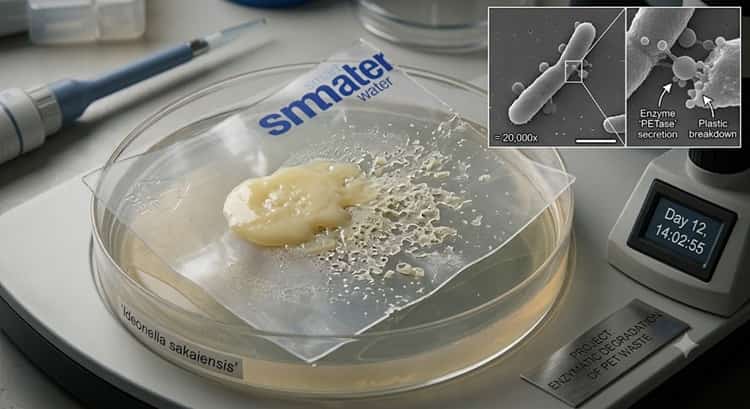
New research from Tokyo University of Science reveals how heat-tolerant PET recycling enzymes can improve plastic degradation efficiency and support sustainable recycling technologies.
Hybrid cornstarch and eggshell reinforced PVA bioplastics offer stronger, more biodegradable packaging solutions while advancing circular economy goals and reducing plastic waste worldwide.
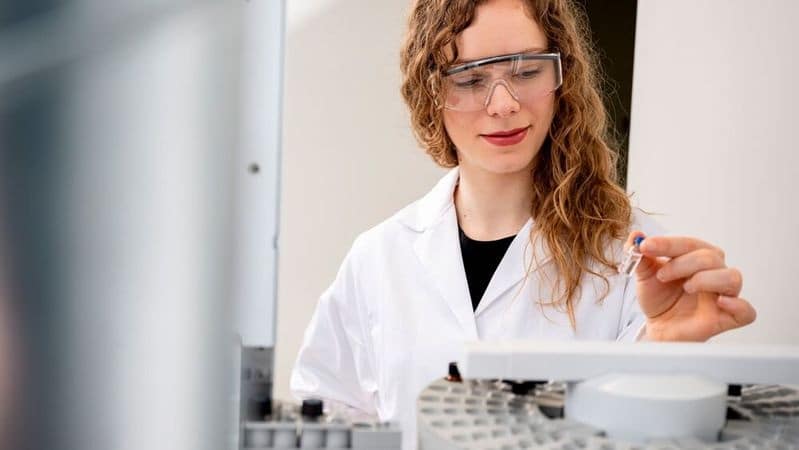
Scientists at the University of Oldenburg have developed a breakthrough process that turns garden waste, hay, and algae into fully biodegradable plastics. Using polybutylene succinate (PBS) as the base, this innovation offers a sustainable alternative to conventional plastics in packaging, medical products, automotive components, and insulation. The EcoPBS project focuses on transforming organic residues into high-performance, recyclable plastics through advanced fermentation techniques, purification processes, and energy-efficient production. By leveraging machine learning, 3D modeling, and renewable energy strategies, the research team is not only producing eco-friendly materials but also closing the loop in the circular economy. With funding from Germany’s Federal Ministry of Research, this technology could pave the way for widespread industrial adoption, reduce plastic pollution, and turn everyday organic waste into a valuable resource.