US-Iran Oil Prices: Brent Near $73 as Markets Watch Hormuz Talks
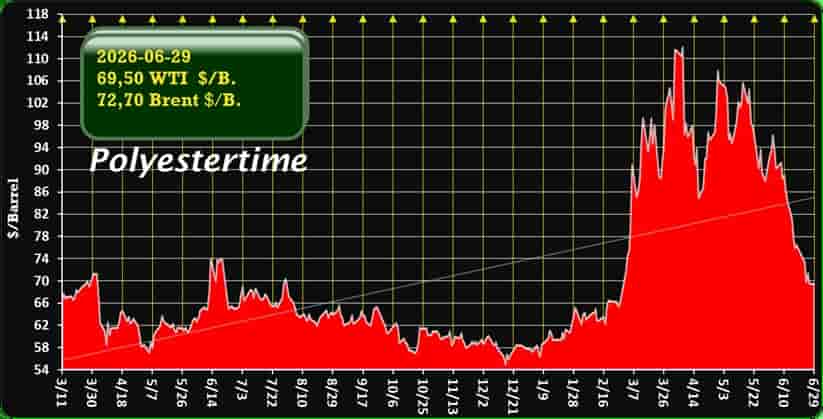
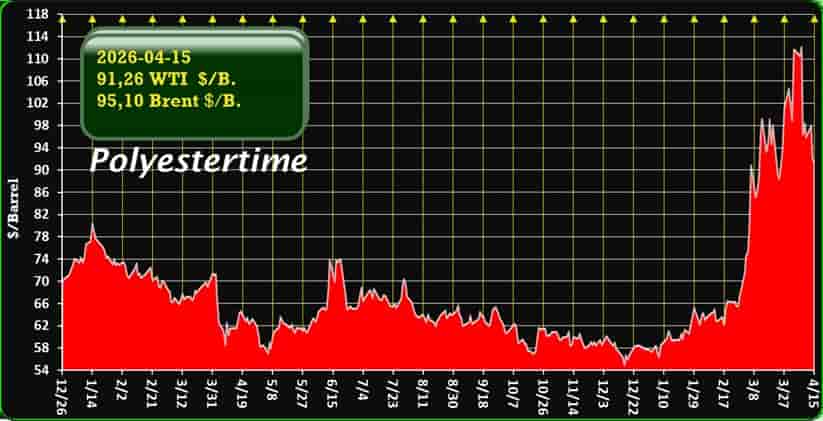
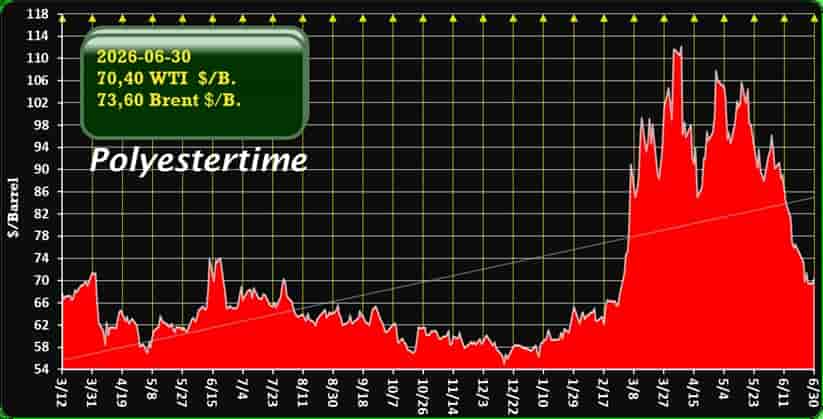
Oil prices remain volatile as Brent trades near $73 and WTI near $70, with markets focused on US-Iran talks and Strait of Hormuz shipping risks.

Oil prices remain volatile as Brent trades near $73 and WTI near $70, with markets focused on US-Iran talks and Strait of Hormuz shipping risks.
Oil prices remain volatile as Brent trades near $73/b and WTI near $67/b, with markets balancing US-Iran war risks, Hormuz flows and weaker demand.
Brent and WTI crude prices softened today as geopolitical tensions, supply disruptions, and weakening demand shaped a volatile global oil market.
Saudi Arabia is increasing oil production under a contingency strategy tied to potential US action against Iran. The move highlights mounting Middle East tensions and oil market volatility.
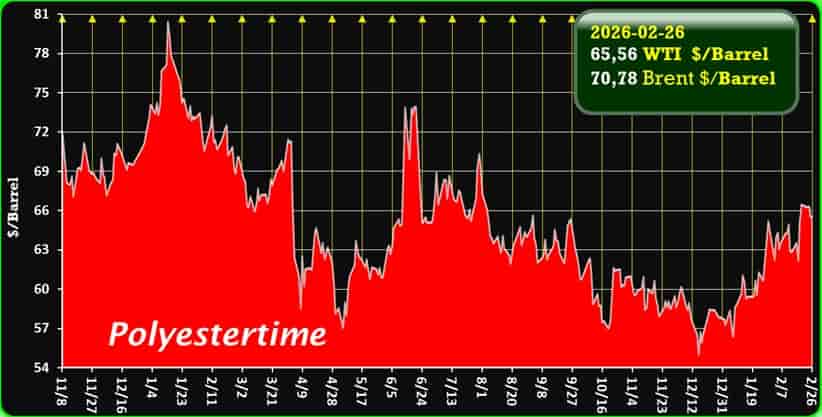
As of February 26, 2026, global oil price dynamics show Brent crude near $70.78 and WTI around $65.47 amid geopolitical risks, evolving supply-demand fundamentals, and investor caution.
Without the shale revolution, oil prices could have surged to $200 per barrel, driving inflation higher and reshaping global energy markets. A leading energy analyst explains how shale stabilized the economy and why future demand trends remain complex.
Brent crude near $71.58 bbl and WTI at $66.33 bbl on Feb 20, 2026 reflect rising geopolitical risk premiums, mixed supply-demand fundamentals, cautious investors, and continued volatility.
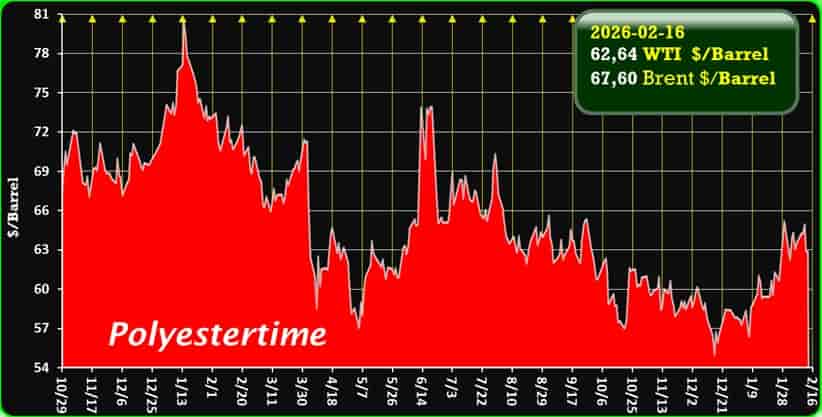
Oil markets are under pressure in mid-February 2026, with Brent trading near $67.60 and WTI near $62.64 as oversupply concerns, rising inventories, cautious investor sentiment, and geopolitical developments shape prices.
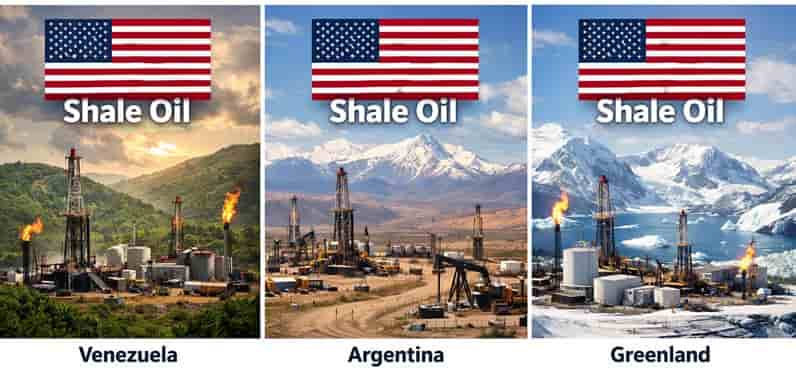
The US shale oil revolution is losing momentum, pushing energy companies toward Venezuela, Argentina, and Greenland. As domestic production plateaus, global expansion brings geopolitical and environmental risks.