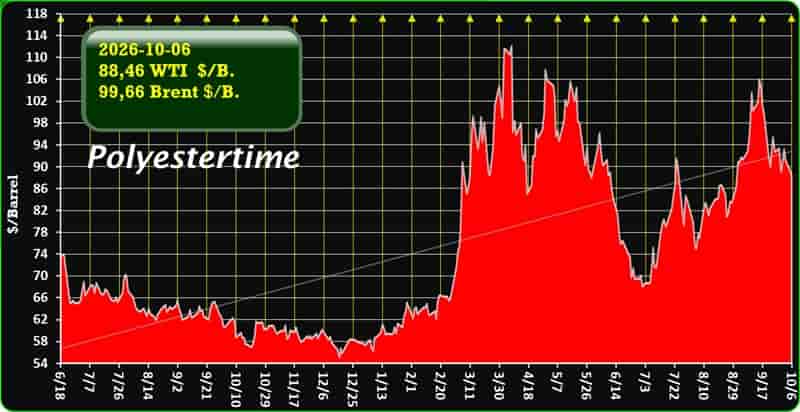
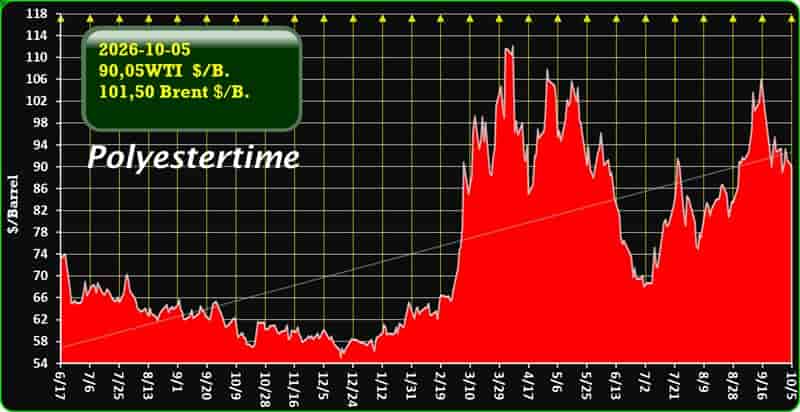
Oil Price Surges Amid Geopolitical Risks but Faces Persistent Oversupply Headwinds — Brent Around $71.58 and WTI $66.33 as Markets Brace Volatility and Uncertainty 20-02-2026
Global Oil Price Snapshot: Brent and WTI on February 20, 2026
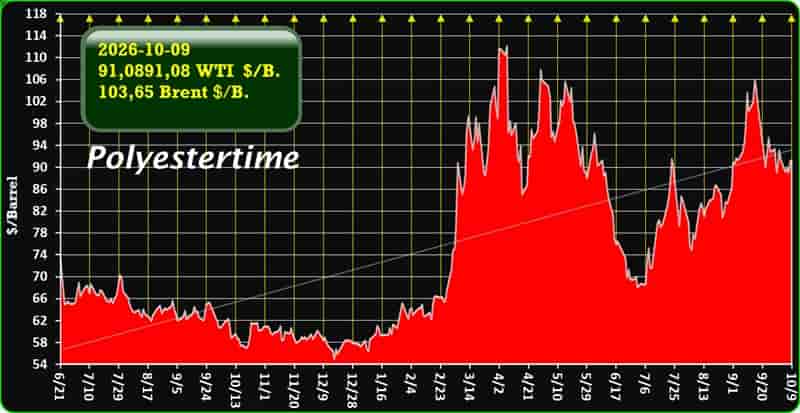
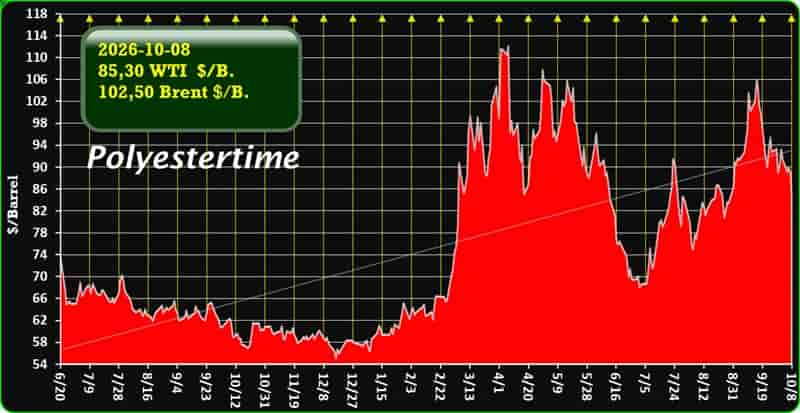
As of February 20, 2026, global benchmarks show **Brent crude trading near $71.58 per barrel and West Texas Intermediate (WTI) around $66.33 per barrel — levels close to six-month highs. These price points reflect a market finely balanced between geopolitical risk premiums and underlying supply-demand realities.
Current Price Table (Feb 20 2026)
| Benchmark | Approx. Price (USD/bbl) | Trend vs Previous Close |
|---|---|---|
| Brent | 71.58 | Near 6-month high |
| WTI | 66.33 | Elevated, lingering above mid-$60s |
What’s Driving the Oil Price Trend?
The oil price landscape today is shaped by multiple dynamic forces:
1. Geopolitical Tensions — Premium on Risk
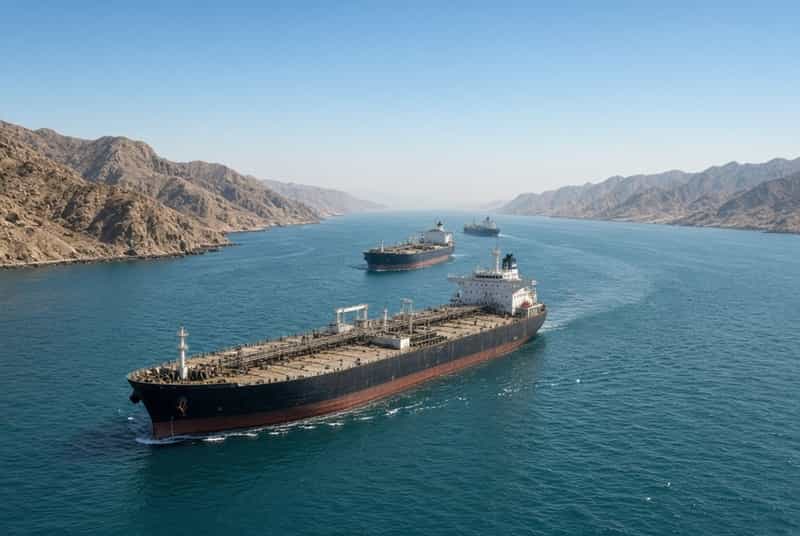
The dominant narrative in the oil markets right now is escalating geopolitical risk, particularly between the U.S. and Iran. Renewed fears that U.S. military action could disrupt flows through the Strait of Hormuz — a chokepoint handling roughly 20 % of global crude supply — have boosted prices. Markets are pricing a geopolitical “risk premium” even though physical supply has not yet been materially disrupted.
Hedge funds and institutional participants have increased bullish wagers, signaling that supply disruption fears are back at the forefront of commodity positioning.
2. Global Supply and Demand Fundamentals
Despite headline geopolitics, fundamental supply-demand signals remain mixed:
-
U.S. crude inventories saw significant weekly draws, which supports tighter balances and underpins oil price strength.
-
On the other hand, analysts and agencies like the U.S. Energy Information Administration (EIA) have warned that global supply may continue to exceed demand into 2026 and 2027, which could cap prices over the longer term.
This tug-of-war between bullish headlines and bearish structural dynamics helps explain why both Brent and WTI are trading within defined ranges rather than breaking decisively higher.
3. OPEC+ Strategy and Output Expectations
OPEC+ decisions on production play a central role in oil price formation. Recent market speculation suggests potential adjustments to output later in the year, which — if realized — could add further supply cushion and restrain price gains. Rumors about increased output starting April have acted as a headwind in recent sessions, limiting upside momentum.
4. Economic Data and Demand Signals
Demand dynamics are influenced by broader economic conditions:
-
Resilient U.S. macro data — including labor market strength — supports continued fuel demand, which is bullish for oil.
-
At the same time, slowing growth in major consuming regions (e.g., China) and portfolio flows into renewables temper demand expectations.
5. Investor Sentiment and Market Positioning
Sentiment in oil markets has swung notably toward risk-off positioning driven by headline news. Investors are reacting not only to geopolitical developments but also to equity market volatility, weakening risk appetites, and cross-asset correlations (e.g., strengthening U.S. dollar).
This shift translates into wider trading ranges and heightened sensitivity to inventory and diplomatic data releases.
Price Drivers at a Glance
| Factor | Likely Price Impact | Key Notes |
|---|---|---|
| Geopolitical Tension | 🔺 Bullish | Prices rise on disruption risk premiums |
| Oversupply Outlook | 🔻 Bearish | Structural surplus risk into 2026–27 |
| OPEC+ Output Policy | ⚖️ Neutral | Potential future hikes limit near-term upside |
| Demand Strength | 🔺 Modest | Mixed signals across regions |
| Investor Positioning | ⚠️ Volatile | Sentiment swings add price jitter |
Short-Term Outlook: What Comes Next?
Looking ahead, oil markets are likely to remain volatile:
-
Bullish catalysts such as continued geopolitical escalation or tighter physical supply could push Brent above the $72–$75 range and lift WTI toward $68–$70 — particularly if the Strait of Hormuz risk intensifies further.
-
Bearish constraints — including rising inventories, potential OPEC+ output increases, and demand headwinds — temper the probability of sustained breakouts.
Short-term projection: Oil prices may oscillate within current ranges with episodic upmoves on headlines but remain constrained structurally unless clear supply shocks materialize.
What This Means for the Global Economy
-
Consumers & Inflation: Elevated oil price levels can support headline inflation while pressuring transport and manufacturing costs globally.
-
Energy Markets: Continued volatility benefits producers with high break-even costs and energy equities but poses risks to demand-sensitive sectors.
-
Policy & Rates: Central banks may weigh energy-related inflation risks against broader growth trends in formulating monetary policy.
More…