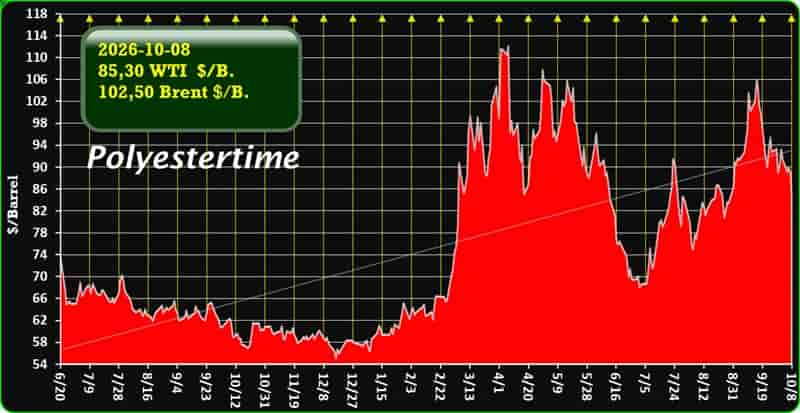
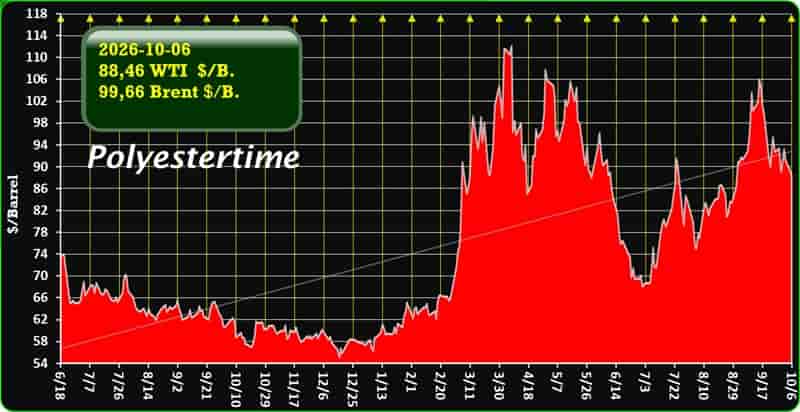
Oil Price Trends Today: Brent Near $71 and WTI Around $65 on Geopolitical Tension and Market Forces — What This Means for Global Energy and Investors 26-02-2026
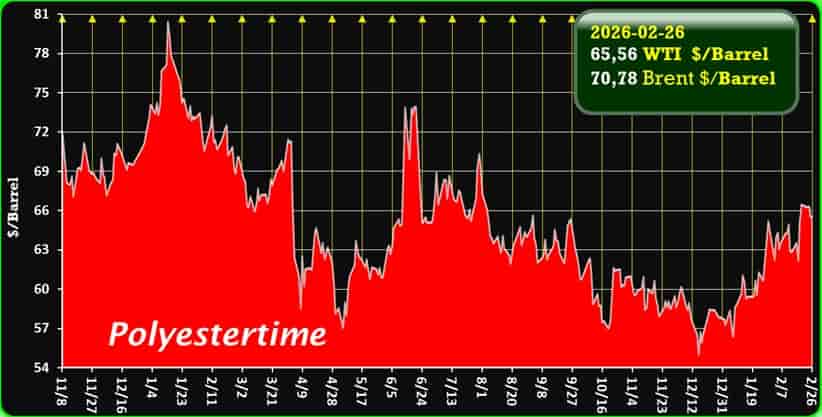
Current Oil Price Snapshot (Feb 26, 2026)
As of today’s trading, the global oil price climate sees:
| Benchmark | Approximate Price (USD/Barrel) |
|---|---|
| Brent Crude | $70.78/bbl (global benchmark) |
| WTI Crude | $65.47/bbl (U.S. benchmark) |
Both benchmarks remain in the mid-$60s/upper-$60s range — levels that reflect a mix of geopolitical risk pricing, inventory data, and macroeconomic signals.
What’s Driving Today’s Oil Price Movements?
1) Geopolitical Tensions: US–Iran Talks and Risk Premium
One of the dominant themes influencing oil price behavior is the geopolitical dance between the United States and Iran. Markets are fixated on ongoing negotiations, with today’s U.S.–Iran talks seen as pivotal to near-term direction. Escalation fears — including potential military action — have elevated the so-called “risk premium” on crude, lifting both Brent and WTI prices in recent sessions.
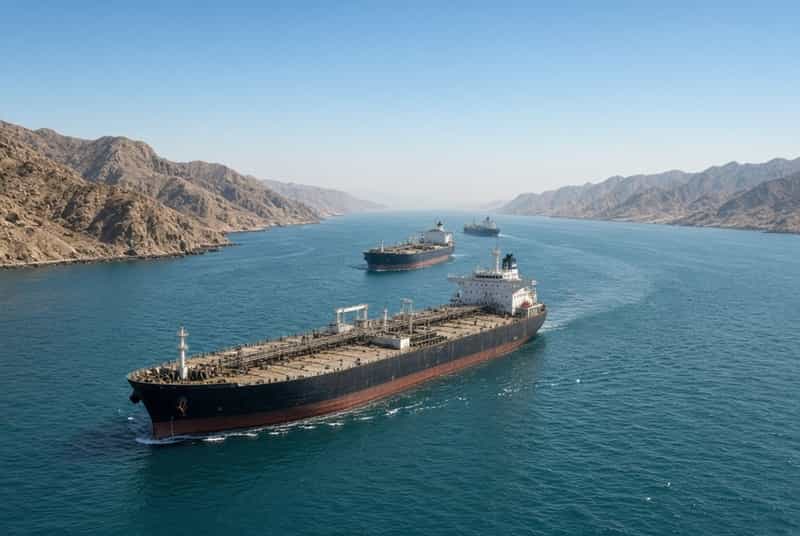
Even minor shifts in diplomatic language or security developments around the Strait of Hormuz — a chokepoint for roughly 20% of global oil flows — send ripples through markets.
2) Supply and Inventory Signals
Recent data showing larger-than-expected U.S. crude inventory builds have put pressure on WTI crude, suggesting that supply remains ample enough to limit sharp price spikes.
At the same time, renewed reports of strong production from non-OPEC areas continue to weigh on the broader oil price landscape, tempering bullish sentiment even as geopolitical risks fluctuate.
3) OPEC+ Production Expectations
Although OPEC+ has typically acted to stabilize markets through coordinated output decisions, recent signals about potential supply increases contribute to the tug-of-war in price formation. Expectations of output adjustments — whether cuts or increases — remain a core factor for traders gauging where the oil price could head next.
4) Global Demand and Economic Data
Macro indicators, including global growth prospects and trade policy developments, influence crude demand projections. Higher tariffs and uncertainty in trade flows can dampen consumption expectations, putting mild downward pressure on oil price.
In the background, major forecasts (like the EIA’s Short-Term Energy Outlook) suggest that sustained inventory builds and supply growth may recalibrate prices lower over the medium term, even if short-term volatility persists.
Investor Sentiment: Caution with a Tilt Toward Risk
Market participants are walking a fine line between risk aversion and tactical positioning. The geopolitical risk premium supports prices, but any signals of easing tensions — especially breakthroughs in U.S.–Iran talks — could quickly erode that premium.
Goldman Sachs and other analysts have flagged heightened volatility in energy markets, as investors hedge against both conflict escalation and fundamental oversupply risks.
In essence, sentiment reflects conditional caution: bullish when headlines veer toward danger, and prone to pullbacks when diplomatic progress or inventory data softens perceived risk.
Brief Technical Table: Support & Resistance Levels
| Benchmark | Key Support | Near-term Resistance |
|---|---|---|
| Brent Crude | ~$68 | ~$72–$74 |
| WTI Crude | ~$62 | ~$66–$70 |
Breakouts above resistance could shift sentiment toward stronger rallies, while rejection at these levels may trap prices in sideways trading.
Short-Term Outlook: Where Could Prices Go?
Looking ahead, oil price direction over the next few weeks will hinge on a few core variables:
Bullish Scenarios
-
A breakdown in diplomatic progress with Iran, reigniting supply disruption fears.
-
Further draws in global inventories or unexpected supply outages.
-
OPEC+ coordination toward tighter production.
Bearish/Neutral Scenarios
-
Successful de-escalation in US–Iran talks.
-
Continued record production and inventory accumulation.
-
Weakening demand signals from key consumer economies.
Analysts at major forecasting services see a range of possibilities for Brent and WTI later this quarter, with some models projecting modest increases if current conditions persist, and others anticipating price moderation on stronger supply and lower demand growth.
What This Means for the Global Economy and Energy Markets
-
Consumers: Elevated oil price levels can translate to higher transportation and manufacturing costs, potentially feeding into inflation metrics.
-
Producers: Oil-exporting nations benefit from stronger prices, boosting fiscal positions and energy sector investment.
-
Investors: Energy stocks and commodities strategies remain sensitive to headline risk and technical breakouts.
-
Policymakers: Central banks and economic planners must factor energy volatility into inflation forecasts and strategic supply initiatives.
Conclusion
Today’s oil price environment — with Brent near $70.78 and WTI about $65.47 — underscores a market in tension between geopolitical risk and fundamental supply-demand forces. Diplomatic developments, especially in U.S.–Iran talks, will likely continue to steer short-term price action, while broader economic trends and inventory data provide a counterbalance.
For traders, investors, and policymakers alike, staying attuned to both headline risk and structural signals will be essential as the 2026 energy landscape remains fluid and highly responsive to global events.
More….