Oil Prices Slip Again as Market Faces Geopolitical Tensions, Supply Disruptions, Weak Demand Signals and Rising Uncertainty Across Global Energy Markets
Oil Prices Ease as Markets Digest Geopolitical Shifts and Supply Disruptions
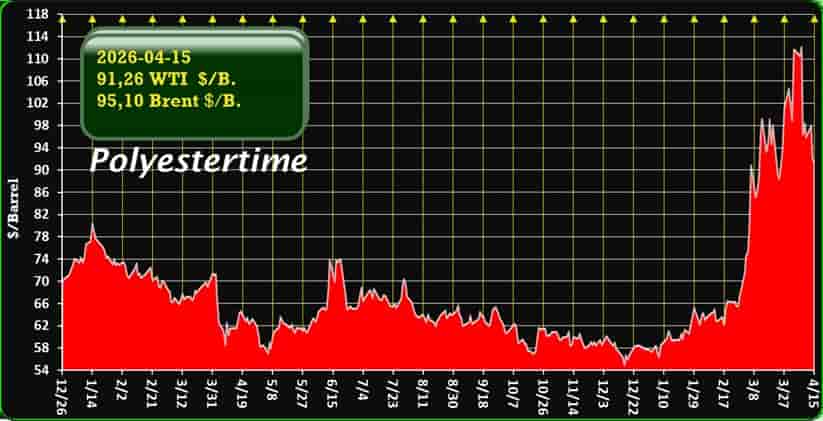
The oil prices landscape on April 15, 2026 remains volatile, with Brent trading between $90–100 per barrel and WTI between $85–95 per barrel. Fresh market data shows Brent slipping slightly to around $94.69, down 0.11% from the previous day, reflecting a second consecutive day of mild declines.
This softening comes despite a backdrop of severe supply disruptions, geopolitical uncertainty, and shifting expectations around global demand.
Oil Prices Ease as Markets Digest Geopolitical Shifts and Supply Disruptions
The oil prices landscape on April 15, 2026 remains volatile, with Brent trading between $90–100 per barrel and WTI between $85–95 per barrel. Fresh market data shows Brent slipping slightly to around $94.69, down 0.11% from the previous day, reflecting a second consecutive day of mild declines.
This softening comes despite a backdrop of severe supply disruptions, geopolitical uncertainty, and shifting expectations around global demand.
Current Brent and WTI Movements
Recent trading shows:
-
Brent crude: ~$94.69/bbl, down 0.11% day‑on‑day, though still up over 43% year‑on‑year.
-
WTI crude: ~$96.69/bbl as of April 14, showing a 2.41% daily decline.
These movements reflect a market struggling to balance massive supply shocks with weakening demand signals.
Key Factors Influencing Today’s Oil Market
1. Global Supply Disruptions Intensify
The International Energy Agency reports that global oil supply plunged by 10.1 million barrels per day in March, driven by attacks on Middle Eastern energy infrastructure and restricted tanker movements through the Strait of Hormuz—one of the most severe supply shocks in history.
OPEC+ output fell sharply by 9.4 million b/d, while non‑OPEC+ supply also contracted. These disruptions have tightened product markets and forced refineries in Asia and the Middle East to cut runs by around 6 million b/d.
2. Demand Weakens as High Prices Bite
Global oil demand is expected to contract by 80,000 b/d in 2026, marking the first annual decline since the pandemic. Elevated prices and scarcity are curbing consumption, especially in the Middle East and Asia Pacific.
This demand destruction is spreading across sectors such as jet fuel, LPG, and naphtha. oil prices
3. OPEC+ Actions and Market Strategy
OPEC+ continues to manage output amid unprecedented disruptions. With inventories falling sharply—global stocks dropped 85 million barrels in March—the group faces pressure to stabilize markets while navigating geopolitical constraints.
4. Geopolitical Developments: US–Iran Tensions and Negotiations
Markets are reacting to signals that the United States and Iran may resume talks within days, potentially easing tensions around the Strait of Hormuz. Brent futures dipped as investors priced in the possibility of reduced conflict risk.
The U.S. naval blockade of Iranian exports and Tehran’s consideration of a temporary halt in shipments continue to add uncertainty.
5. Economic Data and Inventory Trends
The American Petroleum Institute reported an increase of 6.1 million barrels in U.S. crude inventories, marking the eighth consecutive weekly build—another factor weighing on prices.
Meanwhile, the EIA forecasts Brent to peak at $115/bbl in Q2 2026 before easing later in the year as supply gradually normalizes. oil prices
Investor Sentiment: Cautious but Reactive
Investor sentiment remains mixed:
-
Bearish signals: rising inventories, weakening demand, and expectations of resumed Middle East shipping flows.
-
Bullish signals: ongoing geopolitical risks, tight product markets, and uncertainty around the duration of supply disruptions.
The market is highly reactive to diplomatic developments, particularly involving the U.S. and Iran, echoing patterns seen in earlier cycles of negotiation‑driven volatility.
Quick Market Snapshot (Table)
| Indicator | Latest Value | Trend | Source |
|---|---|---|---|
| Brent Crude | ~$94.69/bbl | Slight daily decline | |
| WTI Crude | ~$96.69/bbl | Down 2.41% | |
| Global Supply Change | -10.1 mb/d (March) | Severe disruption | |
| U.S. Inventory Change | +6.1 million barrels | Eighth weekly build | |
| Demand Outlook 2026 | -80 kb/d | First decline since 2020 |
In the short term, the oil price trajectory will depend on:
-
Whether U.S.–Iran talks progress, potentially easing shipping constraints.
-
How quickly Middle Eastern supply disruptions resolve, especially around Hormuz.
-
Demand recovery, which currently appears weak.
-
OPEC+ production strategy, particularly if voluntary cuts deepen.
Oil Prices Ease as Markets Digest Geopolitical Shifts and Supply Disruptions
The oil prices landscape on April 15, 2026 remains volatile, with Brent trading between $90–100 per barrel and WTI between $85–95 per barrel. Fresh market data shows Brent slipping slightly to around $94.69, down 0.11% from the previous day, reflecting a second consecutive day of mild declines.
This softening comes despite a backdrop of severe supply disruptions, geopolitical uncertainty, and shifting expectations around global demand.
Current Brent and WTI Movements
Recent trading shows:
-
Brent crude: ~$94.69/bbl, down 0.11% day‑on‑day, though still up over 43% year‑on‑year.
-
WTI crude: ~$96.69/bbl as of April 14, showing a 2.41% daily decline.
These movements reflect a market struggling to balance massive supply shocks with weakening demand signals.
Key Factors Influencing Today’s Oil Market
1. Global Supply Disruptions Intensify
The International Energy Agency reports that global oil supply plunged by 10.1 million barrels per day in March, driven by attacks on Middle Eastern energy infrastructure and restricted tanker movements through the Strait of Hormuz—one of the most severe supply shocks in history.
OPEC+ output fell sharply by 9.4 million b/d, while non‑OPEC+ supply also contracted. These disruptions have tightened product markets and forced refineries in Asia and the Middle East to cut runs by around 6 million b/d.
2. Demand Weakens as High Prices Bite
Global oil demand is expected to contract by 80,000 b/d in 2026, marking the first annual decline since the pandemic. Elevated prices and scarcity are curbing consumption, especially in the Middle East and Asia Pacific.
This demand destruction is spreading across sectors such as jet fuel, LPG, and naphtha. oil prices
3. OPEC+ Actions and Market Strategy
OPEC+ continues to manage output amid unprecedented disruptions. With inventories falling sharply—global stocks dropped 85 million barrels in March—the group faces pressure to stabilize markets while navigating geopolitical constraints.
4. Geopolitical Developments: US–Iran Tensions and Negotiations
Markets are reacting to signals that the United States and Iran may resume talks within days, potentially easing tensions around the Strait of Hormuz. Brent futures dipped as investors priced in the possibility of reduced conflict risk.
The U.S. naval blockade of Iranian exports and Tehran’s consideration of a temporary halt in shipments continue to add uncertainty.
5. Economic Data and Inventory Trends
The American Petroleum Institute reported an increase of 6.1 million barrels in U.S. crude inventories, marking the eighth consecutive weekly build—another factor weighing on prices.
Meanwhile, the EIA forecasts Brent to peak at $115/bbl in Q2 2026 before easing later in the year as supply gradually normalizes. oil prices
Investor Sentiment: Cautious but Reactive
Investor sentiment remains mixed:
-
Bearish signals: rising inventories, weakening demand, and expectations of resumed Middle East shipping flows.
-
Bullish signals: ongoing geopolitical risks, tight product markets, and uncertainty around the duration of supply disruptions.
The market is highly reactive to diplomatic developments, particularly involving the U.S. and Iran, echoing patterns seen in earlier cycles of negotiation‑driven volatility.
Quick Market Snapshot (Table)
Indicator Latest Value Trend Source Brent Crude ~$94.69/bbl Slight daily decline WTI Crude ~$96.69/bbl Down 2.41% Global Supply Change -10.1 mb/d (March) Severe disruption U.S. Inventory Change +6.1 million barrels Eighth weekly build Demand Outlook 2026 -80 kb/d First decline since 2020 Short‑Term Outlook: Where Oil Prices May Head NextIn the short term, the oil price trajectory will depend on:
-
Whether U.S.–Iran talks progress, potentially easing shipping constraints.
-
How quickly Middle Eastern supply disruptions resolve, especially around Hormuz.
-
Demand recovery, which currently appears weak.
Oil Prices Ease as Markets Digest Geopolitical Shifts and Supply Disruptions
The oil prices landscape on April 15, 2026 remains volatile, with Brent trading between $90–100 per barrel and WTI between $85–95 per barrel. Fresh market data shows Brent slipping slightly to around $94.69, down 0.11% from the previous day, reflecting a second consecutive day of mild declines.
This softening comes despite a backdrop of severe supply disruptions, geopolitical uncertainty, and shifting expectations around global demand.
Current Brent and WTI Movements
Recent trading shows:
-
Brent crude: ~$94.69/bbl, down 0.11% day‑on‑day, though still up over 43% year‑on‑year.
-
WTI crude: ~$96.69/bbl as of April 14, showing a 2.41% daily decline.
These movements reflect a market struggling to balance massive supply shocks with weakening demand signals.
Key Factors Influencing Today’s Oil Market
1. Global Supply Disruptions Intensify
The International Energy Agency reports that global oil supply plunged by 10.1 million barrels per day in March, driven by attacks on Middle Eastern energy infrastructure and restricted tanker movements through the Strait of Hormuz—one of the most severe supply shocks in history.
OPEC+ output fell sharply by 9.4 million b/d, while non‑OPEC+ supply also contracted. These disruptions have tightened product markets and forced refineries in Asia and the Middle East to cut runs by around 6 million b/d.
2. Demand Weakens as High Prices Bite
Global oil demand is expected to contract by 80,000 b/d in 2026, marking the first annual decline since the pandemic. Elevated prices and scarcity are curbing consumption, especially in the Middle East and Asia Pacific.
This demand destruction is spreading across sectors such as jet fuel, LPG, and naphtha. oil prices
3. OPEC+ Actions and Market Strategy
OPEC+ continues to manage output amid unprecedented disruptions. With inventories falling sharply—global stocks dropped 85 million barrels in March—the group faces pressure to stabilize markets while navigating geopolitical constraints.
4. Geopolitical Developments: US–Iran Tensions and Negotiations
Markets are reacting to signals that the United States and Iran may resume talks within days, potentially easing tensions around the Strait of Hormuz. Brent futures dipped as investors priced in the possibility of reduced conflict risk.
The U.S. naval blockade of Iranian exports and Tehran’s consideration of a temporary halt in shipments continue to add uncertainty.
5. Economic Data and Inventory Trends
The American Petroleum Institute reported an increase of 6.1 million barrels in U.S. crude inventories, marking the eighth consecutive weekly build—another factor weighing on prices.
Meanwhile, the EIA forecasts Brent to peak at $115/bbl in Q2 2026 before easing later in the year as supply gradually normalizes. oil prices
Investor Sentiment: Cautious but Reactive
Investor sentiment remains mixed:
-
Bearish signals: rising inventories, weakening demand, and expectations of resumed Middle East shipping flows.
-
Bullish signals: ongoing geopolitical risks, tight product markets, and uncertainty around the duration of supply disruptions.
The market is highly reactive to diplomatic developments, particularly involving the U.S. and Iran, echoing patterns seen in earlier cycles of negotiation‑driven volatility.
Quick Market Snapshot (Table)
Indicator Latest Value Trend Source Brent Crude ~$94.69/bbl Slight daily decline WTI Crude ~$96.69/bbl Down 2.41% Global Supply Change -10.1 mb/d (March) Severe disruption U.S. Inventory Change +6.1 million barrels Eighth weekly build Demand Outlook 2026 -80 kb/d First decline since 2020 Short‑Term Outlook: Where Oil Prices May Head NextIn the short term, the oil price trajectory will depend on:
-
Whether U.S.–Iran talks progress, potentially easing shipping constraints.
-
How quickly Middle Eastern supply disruptions resolve, especially around Hormuz.
-
Demand recovery, which currently appears weak.
-
OPEC+ production strategy, particularly if voluntary cuts deepen.
The EIA expects Brent to remain elevated through Q2 before easing below $90/bbl by Q4 2026, assuming conflict pressures diminish.
What This Means for the Global Economy and Energy Markets
-
Higher energy costs may continue to pressure inflation in importing nations.
-
Refining margins remain volatile due to tight middle distillate markets.
-
Emerging markets face increased vulnerability to price swings.
-
Energy transition investments may accelerate as volatility underscores fossil‑fuel risk.
Overall, the global economy faces a period of heightened uncertainty as the oil prices remains sensitive to geopolitical developments and supply‑chain fragility.
-
-
OPEC+ production strategy, particularly if voluntary cuts deepen.
The EIA expects Brent to remain elevated through Q2 before easing below $90/bbl by Q4 2026, assuming conflict pressures diminish.
What This Means for the Global Economy and Energy Markets
-
Higher energy costs may continue to pressure inflation in importing nations.
-
Refining margins remain volatile due to tight middle distillate markets.
-
Emerging markets face increased vulnerability to price swings.
-
Energy transition investments may accelerate as volatility underscores fossil‑fuel risk.
Overall, the global economy faces a period of heightened uncertainty as the oil prices remains sensitive to geopolitical developments and supply‑chain fragility.
-
The EIA expects Brent to remain elevated through Q2 before easing below $90/bbl by Q4 2026, assuming conflict pressures diminish.
What This Means for the Global Economy and Energy Markets
-
Higher energy costs may continue to pressure inflation in importing nations.
-
Refining margins remain volatile due to tight middle distillate markets.
-
Emerging markets face increased vulnerability to price swings.
-
Energy transition investments may accelerate as volatility underscores fossil‑fuel risk.
Overall, the global economy faces a period of heightened uncertainty as the oil prices remains sensitive to geopolitical developments and supply‑chain fragility.
Current Brent and WTI Movements
Recent trading shows:
-
Brent crude: ~$94.69/bbl, down 0.11% day‑on‑day, though still up over 43% year‑on‑year.
-
WTI crude: ~$96.69/bbl as of April 14, showing a 2.41% daily decline. oil prices
These movements reflect a market struggling to balance massive supply shocks with weakening demand signals.
Key Factors Influencing Today’s Oil Market
1. Global Supply Disruptions Intensify
The International Energy Agency reports that global oil supply plunged by 10.1 million barrels per day in March, driven by attacks on Middle Eastern energy infrastructure and restricted tanker movements through the Strait of Hormuz—one of the most severe supply shocks in history.
OPEC+ output fell sharply by 9.4 million b/d, while non‑OPEC+ supply also contracted. These disruptions have tightened product markets and forced refineries in Asia and the Middle East to cut runs by around 6 million b/d. oil prices
2. Demand Weakens as High Prices Bite
Global oil demand is expected to contract by 80,000 b/d in 2026, marking the first annual decline since the pandemic. Elevated prices and scarcity are curbing consumption, especially in the Middle East and Asia Pacific. oil prices
This demand destruction is spreading across sectors such as jet fuel, LPG, and naphtha. oil prices
3. OPEC+ Actions and Market Strategy
OPEC+ continues to manage output amid unprecedented disruptions. With inventories falling sharply—global stocks dropped 85 million barrels in March—the group faces pressure to stabilize markets while navigating geopolitical constraints.
4. Geopolitical Developments: US–Iran Tensions and Negotiations
Markets are reacting to signals that the United States and Iran may resume talks within days, potentially easing tensions around the Strait of Hormuz. Brent futures dipped as investors priced in the possibility of reduced conflict risk. oil prices
The U.S. naval blockade of Iranian exports and Tehran’s consideration of a temporary halt in shipments continue to add uncertainty.
5. Economic Data and Inventory Trends
The American Petroleum Institute reported an increase of 6.1 million barrels in U.S. crude inventories, marking the eighth consecutive weekly build—another factor weighing on oil prices.
Meanwhile, the EIA forecasts Brent to peak at $115/bbl in Q2 2026 before easing later in the year as supply gradually normalizes. oil prices
Investor Sentiment: Cautious but Reactive
Investor sentiment remains mixed:
-
Bearish signals: rising inventories, weakening demand, and expectations of resumed Middle East shipping flows.
-
Bullish signals: ongoing geopolitical risks, tight product markets, and uncertainty around the duration of supply disruptions.
The market is highly reactive to diplomatic developments, particularly involving the U.S. and Iran, echoing patterns seen in earlier cycles of negotiation‑driven volatility. oil prices
Quick Market Snapshot (Table)
| Indicator | Latest Value | Trend | Source |
|---|---|---|---|
| Brent Crude | ~$94.69/bbl | Slight daily decline | |
| WTI Crude | ~$96.69/bbl | Down 2.41% | |
| Global Supply Change | -10.1 mb/d (March) | Severe disruption | |
| U.S. Inventory Change | +6.1 million barrels | Eighth weekly build | |
| Demand Outlook 2026 | -80 kb/d | First decline since 2020 |
In the short term, the oil price trajectory will depend on:
-
Whether U.S.–Iran talks progress, potentially easing shipping constraints.
-
How quickly Middle Eastern supply disruptions resolve, especially around Hormuz.
-
Demand recovery, which currently appears weak.
-
OPEC+ production strategy, particularly if voluntary cuts deepen. oil prices
The EIA expects Brent to remain elevated through Q2 before easing below $90/bbl by Q4 2026, assuming conflict pressures diminish.
What This Means for the Global Economy and Energy Markets
-
Higher energy costs may continue to pressure inflation in importing nations.
-
Refining margins remain volatile due to tight middle distillate markets.
-
Emerging markets face increased vulnerability to price swings.
-
Energy transition investments may accelerate as volatility underscores fossil‑fuel risk.
Overall, the global economy faces a period of heightened uncertainty as the oil prices remains sensitive to geopolitical developments and supply‑chain fragility.
More…