Fiber-Based Packaging Innovation Shows 5 Powerful Signs Plastic Caps Are Losing Ground
The global packaging industry is entering a decisive phase where sustainability is no longer optional but expected
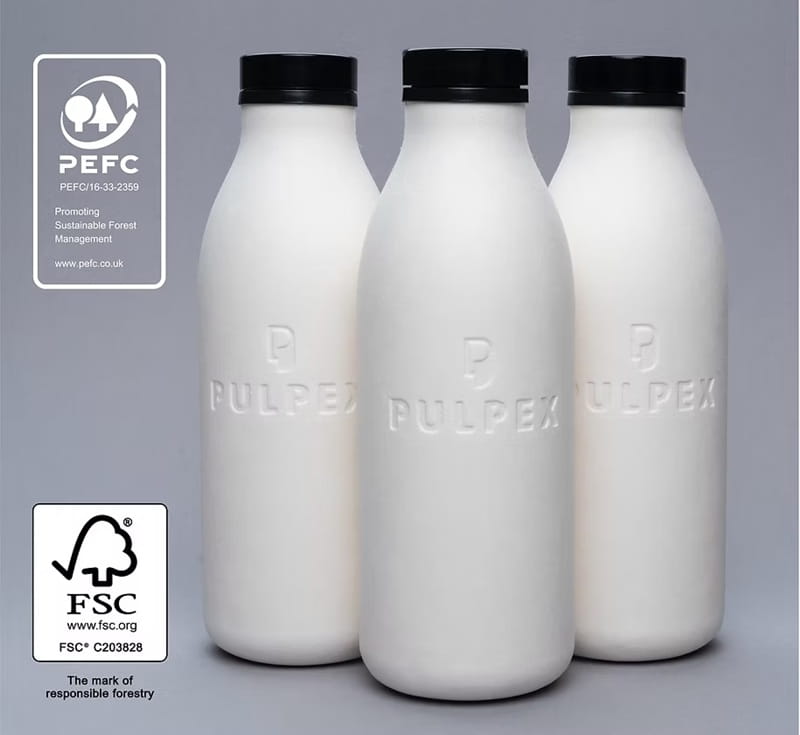
Among the most impactful developments is the rise of fiber-based caps, a category now gaining serious traction thanks to PulPac’s latest innovation. The company has unveiled a new generation of caps designed to replicate the performance of plastic while moving toward fully fiber-based solutions.
This announcement, timed ahead of interpack 2026, highlights how fiber-based caps are evolving from concept to viable industrial application. For an industry heavily dependent on plastic closures, this represents a significant technological and environmental milestone.
A critical shift in one of packaging’s most challenging components
Caps and closures are among the most technically demanding elements in packaging. They must ensure sealing integrity, durability, ease of use, and compatibility with automated production systems. Historically, plastic has dominated this segment due to its versatility and cost efficiency.
PulPac’s innovation directly targets this challenge by applying its Dry Molded Fiber technology to create fiber-based caps that meet the same functional expectations. This includes reliable thread engagement, consistent opening and closing performance, and effective sealing structures.
Early testing indicates that these fiber-based caps perform well across all critical parameters. This suggests that fiber is no longer limited to secondary packaging or simple containers but is now entering high-performance applications traditionally reserved for plastics.
Performance meets consumer experience
One of the key barriers to replacing plastic has always been user perception. Consumers expect caps to feel solid, reliable, and intuitive. PulPac appears to have addressed this challenge effectively.
The new fiber-based caps are designed to deliver a tactile experience comparable to plastic. Reports from early demonstrations suggest that users are often surprised by the material, as the look and feel closely resemble conventional caps.
This sensory alignment is crucial. Packaging success is not only about sustainability metrics but also about maintaining or improving user experience. By achieving this balance, fiber-based caps can accelerate adoption across multiple sectors, including food, beverages, cosmetics, and household products.
Design flexibility opens new branding opportunities
Beyond performance, PulPac’s approach introduces new possibilities in design. The ability to differentiate the inner and outer surfaces of the cap allows brands to explore innovative aesthetics and functional enhancements.
This level of customization is particularly valuable in competitive markets where packaging plays a central role in brand identity. With fiber-based caps, companies can combine sustainability with visual differentiation, strengthening both environmental credentials and market positioning.
Such flexibility also supports the broader trend toward material alignment, where all components of a package are designed to work cohesively within recycling and circular systems.
Collaboration driving industrial scalability
The development of these fiber-based caps is not happening in isolation. PulPac is working closely with PA Consulting and Optima, a key machine partner, to ensure that the technology can scale effectively.
This collaborative approach is essential for industrial adoption. Packaging innovations often fail not because of technical limitations but due to integration challenges within existing production lines. By involving machinery and process experts early, PulPac is addressing these barriers proactively.
In parallel, the initiative is supported by the Bottle Collective, a broader ecosystem exploring fully fiber-based bottle systems. This includes participation from global brands and packaging leaders, signaling strong industry interest in replacing plastic components with fiber alternatives.
Real-world testing signals market readiness
Unlike many early-stage innovations, PulPac’s fiber-based caps have already undergone real-world testing. Initial versions have been produced and evaluated in practical packaging scenarios, providing valuable data on performance and durability.
These trials indicate growing confidence across the value chain. Manufacturers, brand owners, and suppliers are increasingly exploring fiber-based solutions as part of their sustainability strategies.
The transition is also aligned with regulatory pressure and consumer demand for reduced plastic usage. As a result, fiber-based caps are not just a technological experiment but a response to clear market drivers.
Interpack 2026 as a turning point
The public debut of these caps at interpack 2026 is expected to be a defining moment. Visitors will have the opportunity to experience the material firsthand, which is critical given the importance of tactile perception in packaging.
PulPac and Optima will showcase both current solutions and future developments, positioning fiber-based caps as a key element in next-generation packaging systems.
This visibility will likely accelerate industry awareness and adoption, particularly among companies seeking scalable alternatives to plastic.
The broader impact on circular packaging systems
The introduction of fiber-based caps fits into a larger movement toward circularity. Traditional packaging often combines multiple materials, complicating recycling processes. By shifting toward fiber-based components, companies can simplify material streams and improve recyclability.
This alignment supports global sustainability goals and enhances the efficiency of waste management systems. It also reduces reliance on fossil-based materials, contributing to lower carbon footprints.
As more components transition to fiber, the vision of fully fiber-based packaging systems becomes increasingly realistic.
Conclusion: a decisive step away from plastic
PulPac’s innovation demonstrates that fiber-based caps are no longer a distant ambition but an emerging reality. By combining performance, design flexibility, and scalability, these solutions address the key barriers that have historically limited alternatives to plastic.
With strong industry collaboration and growing market demand, fiber-based caps are positioned to play a central role in the future of packaging. The unveiling at interpack 2026 may well mark the moment when fiber truly begins to replace plastic in one of its most entrenched applications.
Fiber-Based Caps Innovation 7 Signals a Powerful Shift Beyond Plastic Packaging
More…