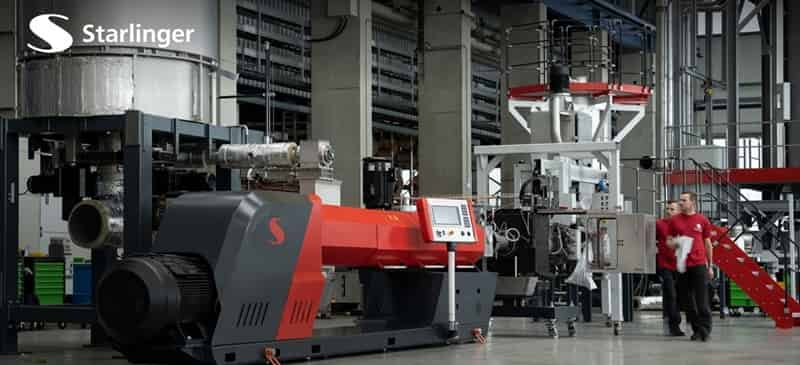
The RiBotl Starlinger PET recycling facility drives bottle-to-bottle production in India, scaling high-purity rPET chips for food packaging
RiBotl Starlinger PET Recycling Technology Drives Powerful Upgrade to Indian Circular Economy
Plastic recycling across South Asia reaches a major milestone as Indian recycler RiBotl Solutions operates its high-capacity bottle-to-bottle processing facility in Silvassa.
Founded in 2023 following the acquisition of the recycling division of Aero Fibre, the enterprise initially established market presence by manufacturing high-purity post-consumer recycled (PCR) PET flakes under its proprietary DiamondPET brand. The facility draws post-consumer PET bottles through India’s extensive informal waste collection system, a network responsible for recovering more than 90 percent of the nation’s PET container waste. RiBotl Starlinger PET recycling
To transform collected waste into food-safe raw materials, RiBotl relies on a dedicated four-stage sorting and cleaning system. This multi-step purification process eliminates surface impurities, cap materials, labels, and residual adhesives, producing clean flakes designed for high-specification packaging applications. RiBotl Starlinger PET recycling
Starlinger Extrusion System Drives Decontamination and Pelletization
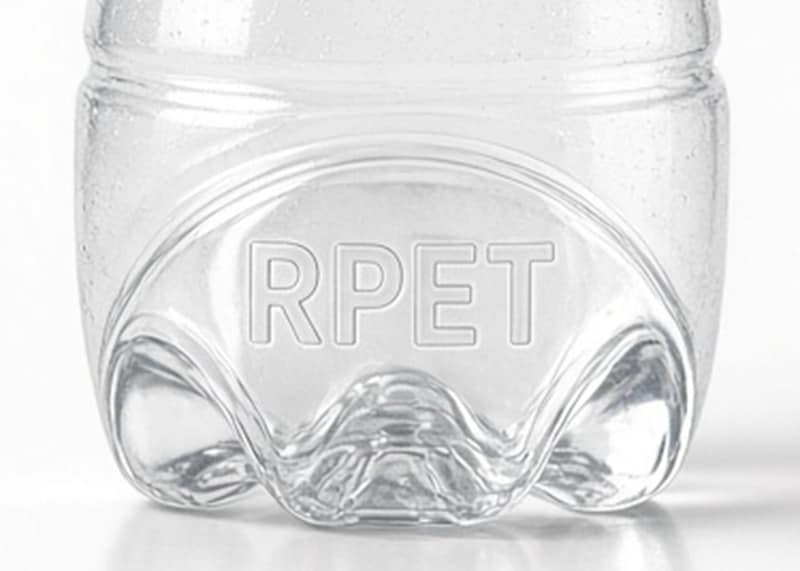
The core processing infrastructure features Starlinger’s state-of-the-art recoSTAR PET 165 art bottle-to-bottle recycling system. Commissioned during the first half of 2025, the line provides the processing capacity to output up to 16,000 metric tons per year of bottle-grade rPET pellets. The resulting food-safe pellets extend the company’s product portfolio, trading across commercial markets as DiamondPET chips.
The integrated Starlinger process combines pre-drying with deep vacuum degassing and solid-state polycondensation (SSP). This mechanical decontamination sequence extracts volatile organic compounds (VOCs) and restores the intrinsic viscosity (iV) of the recycled resin to match virgin-grade material. The resulting polymer complies with strict European Food Safety Authority (EFSA) and US Food and Drug Administration (FDA) standards, meeting structural requirements for high-speed stretch blow molding. RiBotl Starlinger PET recycling
FSSAI Authorization Unlocks Food-Contact Applications
Regulatory clearance remains a critical requirement for supplying the food and beverage packaging sector. In March 2026, RiBotl secured official authorization from the Food Safety and Standards Authority of India (FSSAI) for its PET recycling process. With this certification, RiBotl joins an elite group of just 13 authorized Indian manufacturers certified to supply food-contact rPET for beverage bottles, trays, and food containers.
FSSAI approval confirms that the decontamination process meets legal health standards and migration thresholds, allowing consumer brands to incorporate high proportions of recycled content without compromising container safety. RiBotl Starlinger PET recycling
Legislative Support from India’s Solid Waste Rules
The scale-up of the Silvassa facility aligns with nationwide regulatory developments. Enforced as of April 1, 2026, India’s updated Solid Waste Management Rules establish a stricter framework to increase municipal waste collection efficiency and elevate feedstock quality for plastics reprocessors. A central element of this legislation mandates four-stream waste segregation at the source across residential and commercial sectors.
For industrial recyclers, mandatory source segregation delivers key operational benefits:
-
Cleaner Feedstock: Prevents organic waste from mixing with recyclable polymers, cutting down washing intensity and reducing operational energy requirements.
-
Enhanced Recovery Rates: Ensures a steady supply of segregated bottles, keeping high-value polymers out of landfills and open dumpsites. RiBotl Starlinger PET recycling
-
Automated Operations: Facilitates the adoption of advanced recovery solutions, including automated sorting equipment, smart collection systems, and data-driven logistics.
Accelerating Regional Circular Economy Systems
By linking informal collection networks with high-end decontamination engineering, RiBotl demonstrates how regional waste recovery can transition into closed-loop industrial recycling. As regulatory mandates push for higher recycled content in consumer goods, high-capacity bottle-to-bottle plants remain essential to cutting virgin plastic consumption and strengthening regional recycling infrastructure.
Maharashtra PET Recycling Initiative Powers Revolutionary Circular Economy Drive
More…