US-Iran Oil Prices: Brent Near $73 as Markets Watch Hormuz Talks
US-Iran Oil Prices: Brent Near $73 as Markets Watch Hormuz Talks
Oil prices have moved back from the extreme risk levels seen during the US-Iran conflict, but the market remains highly sensitive to every signal from the Strait of Hormuz.
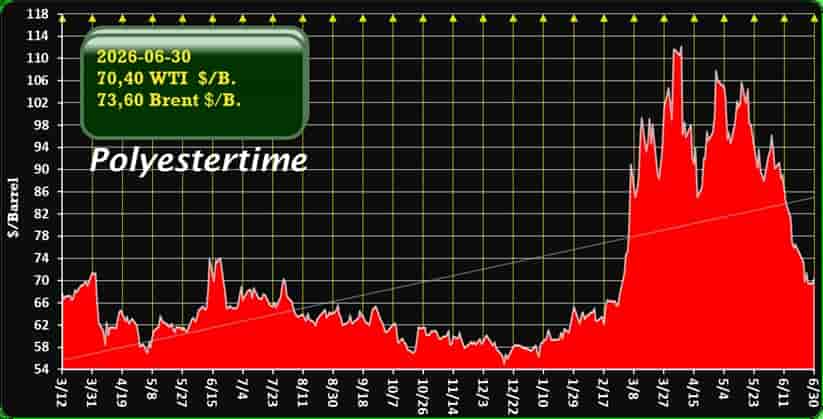
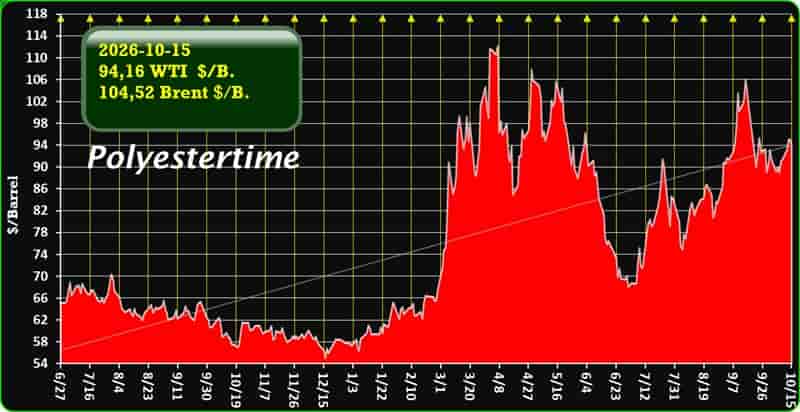
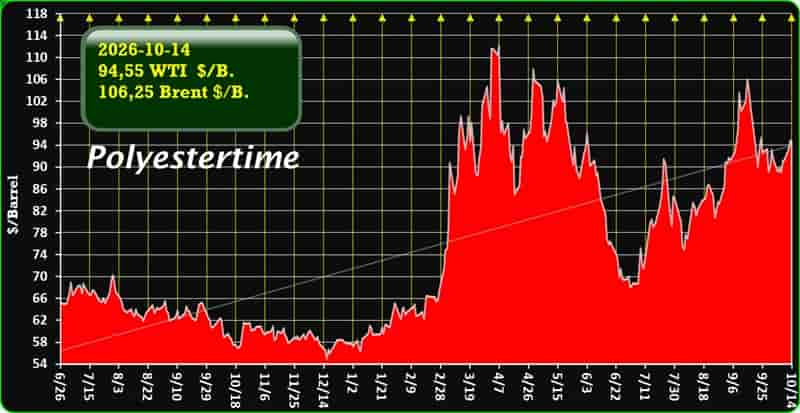
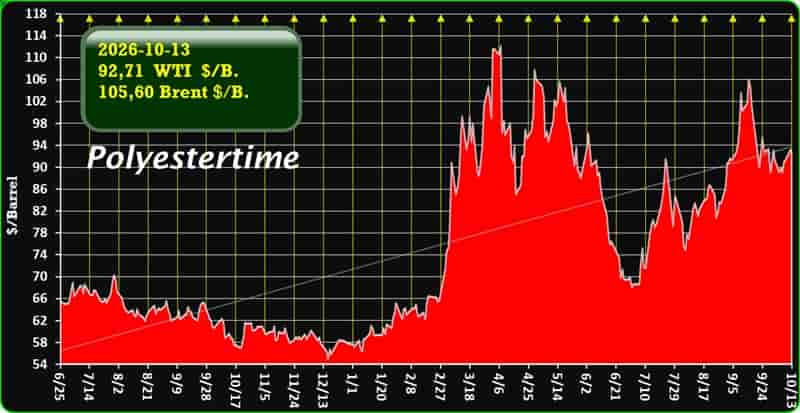
At the time of writing, Brent crude is trading around $73 per barrel, while WTI is around $70 per barrel. These levels suggest that traders are no longer pricing in a worst-case supply shock, but they are not treating the situation as fully resolved either.
The main reason is simple: the physical flow of oil is improving, but the geopolitical risk has not disappeared.
Why oil prices have eased
Crude prices have fallen because the market is seeing signs of recovery in Gulf oil flows and renewed diplomatic efforts between the United States and Iran.
Recent market reports indicate that Brent has moved close to the low-$70 range as investors focus on possible US-Iran talks in Doha and on whether the fragile ceasefire can hold. The more actively traded Brent contract was reported around $73.60 per barrel, while front-month Brent was near $72.50 in early trading.
This is a sharp change from the panic phase of the conflict, when traders feared a major and prolonged disruption to Middle East exports. Prices are now being pulled lower by three forces: recovering tanker movements, expectations of diplomatic progress, and concern that global demand is not strong enough to absorb a rapid rebound in supply.
The Strait of Hormuz remains the key risk
The Strait of Hormuz is still the central issue for the oil market. According to the US Energy Information Administration, flows through the Strait represented more than one-quarter of global seaborne oil trade and about one-fifth of global oil and petroleum product consumption in 2024 and early 2025.
The International Energy Agency also describes Hormuz as one of the world’s most critical oil transit chokepoints, with around 20 million barrels per day of crude oil and oil products shipped through the route in 2025.
That explains why even limited disruption can move prices quickly. If shipping through Hormuz slows, insurers raise risk premiums, tanker availability tightens, and refiners become nervous about future supply. If the route stabilizes, the geopolitical premium in crude prices can fall just as quickly.
A market between relief and caution
The current price level reflects a market caught between relief and caution.
On one side, oil traders see signs that the worst-case scenario has been avoided for now. Tanker traffic through Hormuz has shown signs of improvement, and some reports suggest that oil flows have started to recover from earlier disruption.
On the other side, the conflict has not fully disappeared from pricing models. The Guardian reported fresh tensions around control and management of the Strait of Hormuz, with Iran and Oman positioned differently over decision-making for the waterway.
This matters because the market is not only watching barrels. It is watching authority, security guarantees, insurance conditions and diplomatic credibility.
Why Brent and WTI are behaving differently
Brent is the global benchmark and is more directly exposed to international supply risks, especially those involving the Middle East, Europe and Asia.
WTI, priced in the United States, is more influenced by US inventories, domestic production, refinery demand and pipeline logistics. That is why Brent normally trades above WTI during periods of international tension.
With Brent around $73 and WTI around $70, the spread remains moderate. This suggests that markets see geopolitical risk, but not a full-scale global supply emergency at this moment.
What could push oil prices higher again
Oil prices could rise quickly if the diplomatic process fails or if shipping through Hormuz becomes unsafe again.
The main bullish risks are:
Renewed military strikes between the United States and Iran.
A direct attack on commercial tankers.
A significant slowdown in Hormuz crossings.
Higher war-risk insurance costs.
Fresh sanctions or enforcement measures affecting Iranian exports.
A stronger-than-expected recovery in Asian demand.
Because Hormuz is such a large energy chokepoint, the market does not need a complete closure to reprice risk. Even partial disruption can lift Brent and WTI if traders believe future supply is threatened. US-Iran oil prices
What could push prices lower
Oil prices could fall further if diplomacy improves and Gulf exports continue to normalize.
The bearish scenario is based on a different picture: safer shipping, higher exports, weaker demand and rising inventories.
The International Energy Agency’s Oil Market Report remains one of the key references for oil supply, demand, inventories, prices and refining activity. Its latest market coverage highlights how quickly supply-demand expectations can shift when geopolitical risk changes.
If traders become convinced that the Strait of Hormuz will remain open and that regional production can recover faster than demand, Brent could stay under pressure. In that case, the market would move from pricing scarcity to pricing a potential supply rebound.
Impact on petrochemicals and plastics
For the plastics, polymers and petrochemical sectors, crude oil prices remain important because they influence feedstock costs, naphtha prices, transportation costs and energy-intensive production chains.
Lower crude prices can ease pressure on petrochemical producers, especially in regions dependent on oil-linked feedstocks. However, volatility is still a problem. Companies cannot plan confidently when prices move on headlines, shipping risk or military escalation.
For converters, recyclers and downstream manufacturers, the key issue is not only the current Brent price. It is price stability. A Brent market around $73 is manageable for many industries, but sudden moves toward $85 or $90 would quickly change cost assumptions.
What the market is watching next
The next direction for oil prices depends on four signals.
First, the market will watch whether US-Iran talks produce a credible framework for de-escalation.
Second, traders will monitor real tanker movements through Hormuz, not only political statements.
Third, refiners will track whether Gulf crude supply becomes more reliable in physical markets.
Fourth, investors will watch global demand, especially in China, Europe and the United States.
At current levels, Brent near $73 and WTI near $70 show that the market has removed part of the war premium. But it has not removed the risk premium entirely.
Outlook
Oil prices are no longer trading as if a full Hormuz shutdown is imminent. That is why Brent and WTI have eased from earlier highs.
However, the US-Iran situation remains a live market risk. The Strait of Hormuz is too important for global energy flows to be ignored, and any new disruption could rapidly return volatility to crude markets.
For now, the most realistic outlook is a fragile range-bound market: lower than wartime panic levels, but still vulnerable to sudden geopolitical shocks.
In practical terms, Brent around $73 and WTI around $70 indicate cautious relief, not full normalization.
Oil prices Iran war: Brent near $73 as markets weigh Hormuz risk
More…