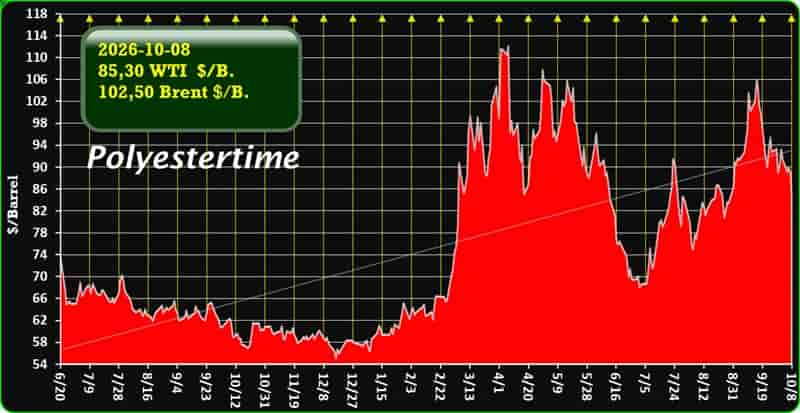
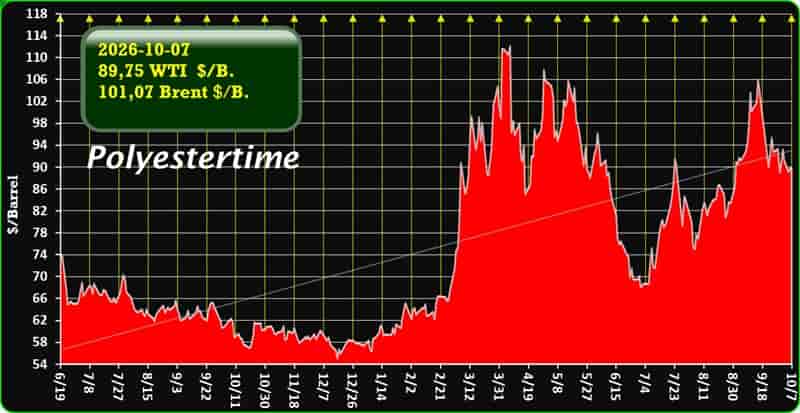
Bearish Oil Price Trend Continues in 2026: Brent Near $68 and WTI Near $63 Amid Surplus Fears, Weak Demand Signals, and Mixed Market Sentiment 16-02-2026
Oil Price Trend as of February 16, 2026: Bearish Signals and Market Drivers
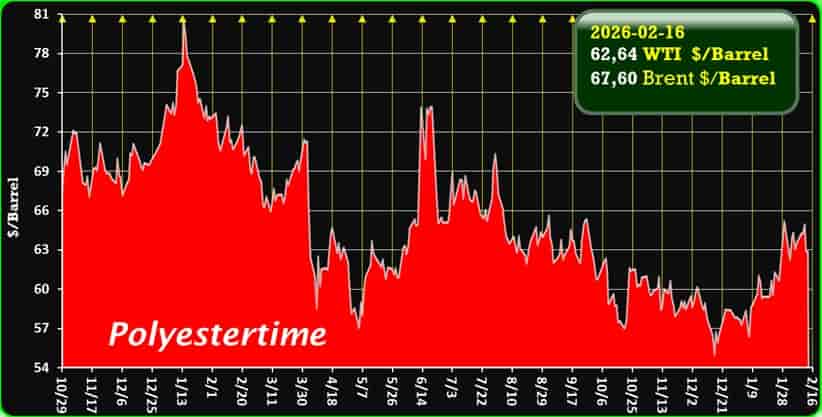
Global oil price benchmarks are trading lower or sideways this week, reflecting persistent bearish undertones in the energy complex. On February 16, 2026, Brent crude is hovering roughly $67.60 per barrel, while U.S. WTI crude stands around $62.64 per barrel — levels that underscore ongoing market caution.
This article breaks down the main factors shaping today’s oil markets, including supply and demand dynamics, OPEC+ policy choices, geopolitical developments, and investor sentiment. It also offers a clear short-term outlook for prices and implications for the global economy and energy markets.
Current Oil Price Snapshot
| Benchmark | Approx. Price (Feb 16, 2026) | Trend Notes |
|---|---|---|
| Brent Crude | ~$67.60 / B | Under pressure from surplus concerns; testing support levels |
| WTI Crude | ~$62.64 / B | Hovering near multi-week lows amid rising inventories |
| Market Tone | Bearish to Neutral | Mixed geopolitics ↔ supply surplus worries |
| Source: market reports Feb 16 news and forecasts |
Key Factors Influencing Oil Prices Today
1. Supply and Demand Fundamentals
One of the dominant themes in early 2026 is an unexpectedly large supply surplus relative to demand growth. The International Energy Agency (IEA) has pointed to a modest increase in global oil demand in 2026 — but not enough to absorb robust output from producers.
At the same time, U.S. crude inventories have risen sharply, exacerbating bearish oil price pressure. For example, recent inventory data showed a notable build, reinforcing expectations of oversupply.
Energy consultants and market forecasters suggest that worldwide stock builds — partly due to expanding strategic reserves and production efficiencies — are key reasons prices are not breaking significantly higher despite episodic geopolitical risk premiums.
2. OPEC+ Actions and Policy Signals
OPEC+ remains central to oil price dynamics. After production cuts in prior years, the group is reportedly contemplating moderate increases in output beginning in April. This possible step adds to the supply side pressure and has tempered bullish speculation.
Coalitions like OPEC+ have historically influenced crude prices by managing output quotas. However, with global inventories swelling and demand growth slowing, even coordinated efforts may struggle to prop prices substantially higher unless cuts are deeper or extended.
3. Geopolitical Developments
Geopolitical events remain a wildcard for energy markets. Markets recently priced in geopolitical risk — including tensions in the Middle East and U.S.–Iran relations — which at times provided support. However, some of that risk premium has faded as diplomatic dialogues progress and conflict fears have moderated.
Even so, headlines around shipping chokepoints, sanctions enforcement, and geopolitical friction can inject short-lived volatility. Traders continue to watch these narratives carefully, even amid strong fundamental signals from supply and inventories.
4. Economic Data and Investor Sentiment
Investor sentiment across commodities markets reflects a balance between short-term geopolitical risk and longer-term structural oversupply. With slow economic growth in several major markets and inventory data indicating excess crude in storage, sentiment leans towards risk aversion rather than outright bullishness.
Traders are particularly sensitive to macroeconomic releases — such as global manufacturing data and consumption trends — because they can influence oil demand expectations. Sluggish growth readings tend to align with lower crude prices as demand concerns overshadow temporary bullish catalysts.
What Today’s Trend Means for the Global Economy
Lower or stagnant oil prices have multifaceted impacts:
-
Consumers & Businesses: Reduced oil price levels help lower transportation and energy costs, which can ease inflationary pressures in many economies.
-
Energy Producers: Sustained prices below key production cost thresholds may strain higher-cost producers, potentially dampening future investment in exploration and development.
-
Emerging Markets: Oil-importing nations benefit from softer energy costs, but oil exporters could see fiscal revenues under pressure.
This complex interplay underscores why oil markets are closely watched by policymakers, investors, and energy strategists alike.
Short-Term Outlook: Where Oil Prices May Head
In the near term, the outlook suggests oil price ranges may remain relatively constrained, with Brent and WTI oscillating within mid-$60s territory unless a significant geopolitical event or coordinated production cut shifts the balance of supply and demand.
Key levels to watch:
-
Support for Brent: ~$65–$67 area
-
Resistance for Brent: ~$70 if geopolitical risk intensifies
-
WTI downside: psychological $60 mark if inventory builds continue
-
WTI upside: ~$65 if demand surprises positively
Most analysts see oil trading in a range-bound pattern in the coming weeks, with any sustained breakout requiring either a sharp supply disruption or clear evidence of demand strengthening.
Conclusion
As of mid-February 2026, oil prices — represented by Brent near ~$67.60 and WTI near ~$62.64 — are largely shaped by bearish fundamentals such as surplus supply and elevated inventories, even as geopolitical events and central bank signals inject intermittent volatility.
For markets and the broader economy, this translates to lower energy costs for consumers but narrower margins for producers and continued vigilance among investors. Over the short term, expect prices to hover within established ranges, with sentiment poised to shift only upon clearer evidence of tightening supply or stronger global demand.
More..