Oil Prices Iran War: Brent Near $74 as Hormuz Risk Eases
Oil prices Iran war
Oil Prices Hold Near $74 as US-Iran War Risk Keeps Markets on Edge
Crude markets calm, but the risk premium has not disappeared
Oil prices have pulled back from recent highs, but the market remains highly sensitive to developments around the US-Iran war and the security of energy flows through the Strait of Hormuz.
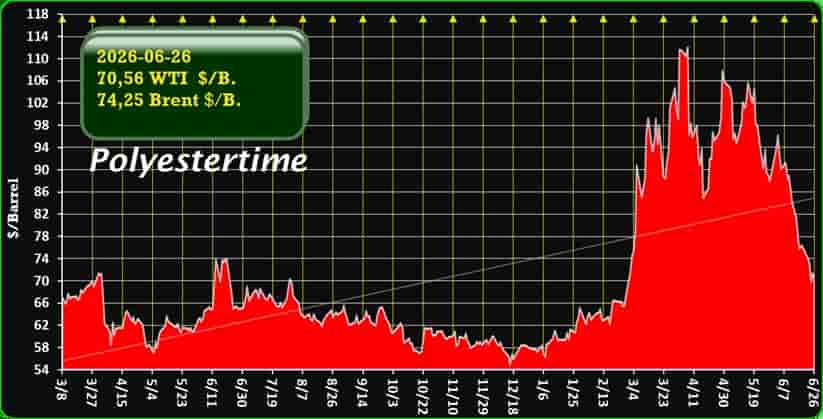
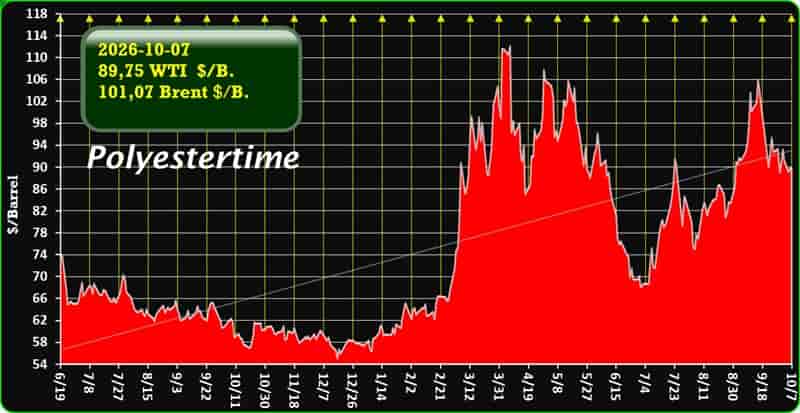
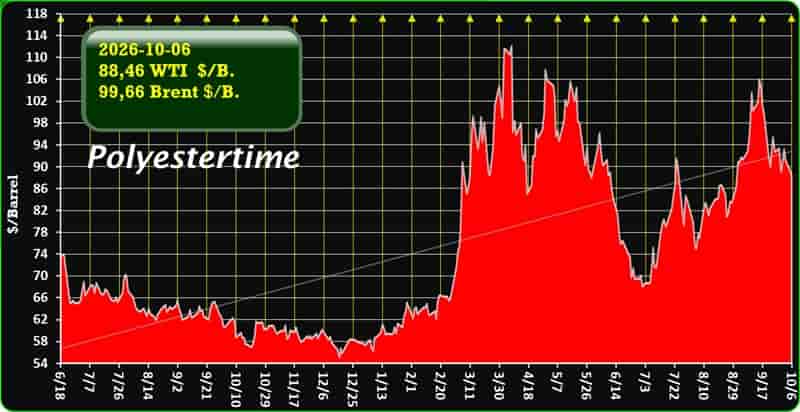
Brent crude is currently trading around $74 per barrel, while US West Texas Intermediate is near $71 per barrel. These levels suggest that traders are no longer pricing in an immediate worst-case disruption, but they are still keeping a geopolitical risk premium in the market.
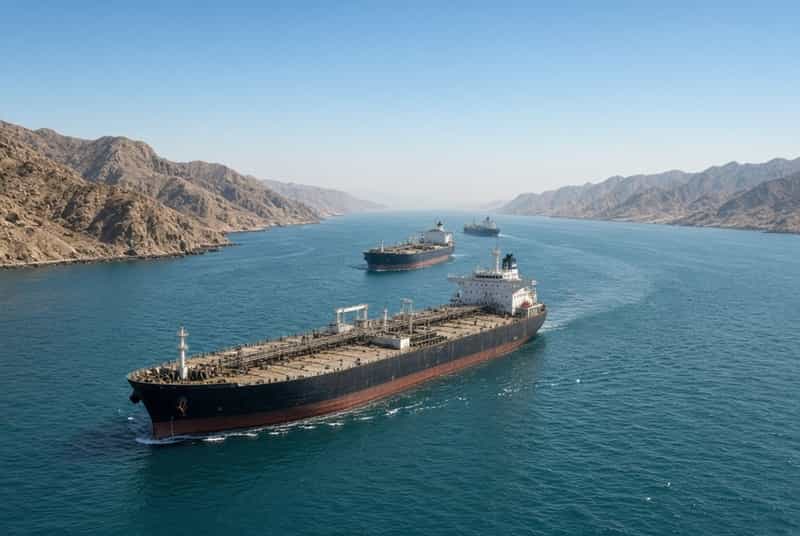
The latest move lower has been driven by signs that tanker traffic through the Strait of Hormuz is recovering. More vessels are exiting the waterway, easing fears of a sudden supply shock. However, the situation remains fragile, and oil prices could react quickly if military tensions escalate again.
Why the Strait of Hormuz still matters
The Strait of Hormuz remains one of the most important energy chokepoints in the world. A large share of Middle Eastern crude and refined products moves through this narrow passage, making it central to global oil supply.
When conflict threatens the area, oil prices usually rise because traders fear delays, insurance cost increases, shipping disruptions, or direct attacks on energy infrastructure. When traffic improves, prices tend to fall because the market sees a lower probability of immediate shortage.
That is what is happening now. The recovery in tanker movement has helped push Brent and WTI lower, but the market is not treating the risk as fully resolved.
Brent and WTI: what current prices are telling us
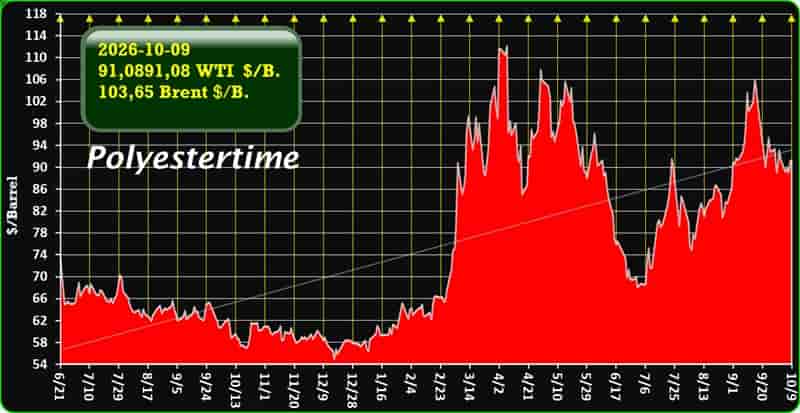
Brent near $74 and WTI near $71 show a market that has moved away from panic pricing. Earlier fears of a severe interruption to Middle East exports had supported higher crude prices. Now, traders are reassessing the balance between geopolitical risk and available supply.
The Brent-WTI spread also remains important. Brent reflects global seaborne crude conditions, so it is more directly exposed to Middle East shipping risk. WTI, meanwhile, is more connected to US supply, inventories, and domestic demand.
The fact that both benchmarks have eased suggests that the market currently expects oil flows to continue, even if the political and military backdrop remains unstable.
What changed in the latest news
Recent market reports point to a clear shift in sentiment. Oil prices have weakened as more ships move through the Strait of Hormuz and as fears of an immediate blockade or prolonged export disruption have eased.
At the same time, traders are watching diplomatic signals, sanctions policy, military activity, and shipping security. Any renewed escalation could quickly reverse the recent decline.
This is why the current oil-price environment is best described as calmer, not safe. oil prices Iran war
The bullish case: prices could rise again
Oil prices could move higher if the US-Iran war intensifies or if the Strait of Hormuz becomes unsafe again for commercial shipping.
Several factors could support a new rally:
- A renewed military escalation involving energy infrastructure
- Delays or attacks affecting tanker traffic
- Higher marine insurance costs
- A tighter sanctions environment
- Stronger demand from large importers such as China or India
- Lower-than-expected inventories in consuming countries
In this scenario, Brent could quickly move back above recent levels because the market would need to price in supply uncertainty again.
The bearish case: supply recovery could cap prices
There is also a bearish argument. If shipping continues to normalize and Middle East exports recover, the market may shift its attention back to supply growth and demand weakness.
A smoother flow of crude through the Strait of Hormuz would reduce the war-risk premium. If demand remains soft and inventories rebuild, oil prices could struggle to hold current levels.
This is why some analysts see a possible transition from crisis pricing to a more supply-heavy market, especially if the geopolitical situation stabilizes.
What this means for fuel, petrochemicals and industry
For fuel consumers and industrial buyers, the recent fall in crude prices is positive, but the benefit may not appear immediately.
Retail fuel prices, diesel, jet fuel and petrochemical feedstocks often react with a delay. Refining margins, logistics, taxes, currency movements and existing supply contracts can slow the pass-through from crude markets to end-user prices.
For petrochemical producers, lower crude can reduce pressure on naphtha-based production costs. However, volatility remains a problem. Buyers may delay purchases if they expect prices to fall further, while producers may face margin pressure if demand remains weak.
Key signals to watch next
The oil market is now focused on a short list of critical indicators:
- Tanker traffic through the Strait of Hormuz
- Brent and WTI daily closing prices
- US crude inventories
- OPEC+ production signals
- Sanctions or diplomatic changes involving Iran
- Insurance and freight costs for Middle East routes
- Demand indicators from China, India and Europe
These signals will determine whether the current decline becomes a stable trend or just a pause before renewed volatility.
Outlook: oil prices remain vulnerable to headlines
The current price level — Brent around $74 and WTI around $71 — suggests that the market has reduced its immediate fear of a severe supply disruption. But the US-Iran war remains a major source of uncertainty.
If shipping continues to recover and diplomacy holds, oil prices could remain under pressure. If tensions return to the Strait of Hormuz, the market could quickly rebuild a risk premium.
For now, crude is trading in a narrow space between relief and risk. The panic has faded, but the geopolitical danger has not.
Oil Prices Iran Outlook: Brent Near $73 as Hormuz Risk Eases
More…