Circulose Textile Recycling Gains Brand Momentum Before Sweden Restart
Circulose textile recycling gains momentum as new fashion brands join ahead of Sweden restart
Circulose is rebuilding momentum in the circular fashion market after adding four new international fashion brands to its partner network. The Swedish textile-to-textile recycling company announced that Eileen Fisher, Marimekko, Samsøe Samsøe and King Louie are now joining its growing group of commercial partners.
The announcement matters because Circulose is not simply signing visibility-focused sustainability agreements. It is trying to rebuild industrial demand for recycled textile pulp before the planned large-scale restart of its Ortviken facility in Sundsvall, Sweden, later in 2026.
For fashion brands under pressure to reduce waste, replace virgin raw materials and prepare for stricter circular economy rules, the partnership expansion shows that recycled textile feedstocks are moving closer to mainstream sourcing strategies.
What Circulose produces
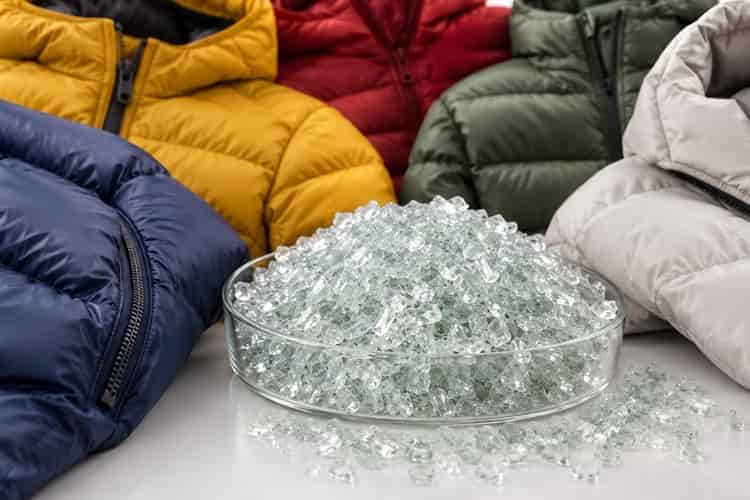
Circulose produces a dissolving pulp made from discarded cotton-rich textiles. This pulp can be used to make regenerated fibers such as viscose and lyocell, which can then be spun into yarns, woven or knitted into fabrics, and used in new clothing.
In practical terms, the company aims to turn old textiles into raw material for new textiles. That makes Circulose part of the textile-to-textile recycling segment, a field that fashion companies increasingly see as essential for reducing dependence on virgin cotton, wood-based cellulose and fossil-based fibers.
The company describes CIRCULOSE as a material made from discarded textiles and designed to replace virgin fiber inputs without forcing brands to compromise on design, performance or quality. Circulose textile recycling
Why the new brand partners matter
The latest additions bring together four brands with different market positions and customer bases.
Eileen Fisher is widely associated with long-lasting design, take-back programs and circular fashion models. Marimekko brings global recognition in print-led lifestyle design. Samsøe Samsøe adds a Scandinavian fashion profile, while King Louie contributes a European womenswear presence built around long-wear designs and colorful collections.
Their decision to work with Circulose strengthens the company’s message that circular materials need coordinated adoption across the value chain. Recycled pulp alone is not enough. Brands, fiber producers, mills and sourcing teams must align before recycled materials can become a regular part of commercial collections.
This is why the new partnerships are important beyond the names involved. They suggest that fashion brands are preparing for circularity at the sourcing level, not only through consumer-facing campaigns.
A restart tied to confirmed demand
Circulose’s current strategy is shaped by the collapse and restructuring of Renewcell, the company that originally developed the technology and operated the Ortviken plant. Renewcell’s bankruptcy exposed a major problem in next-generation materials: even promising technologies can fail if industrial production, pricing and brand demand are not aligned.
Under new ownership by Altor, Circulose has been working to rebuild confidence by focusing on brand commitments, licensing-based collaboration and supply chain support. Instead of relying only on the idea that sustainable materials will sell themselves, the company is trying to secure demand before scaling production again.
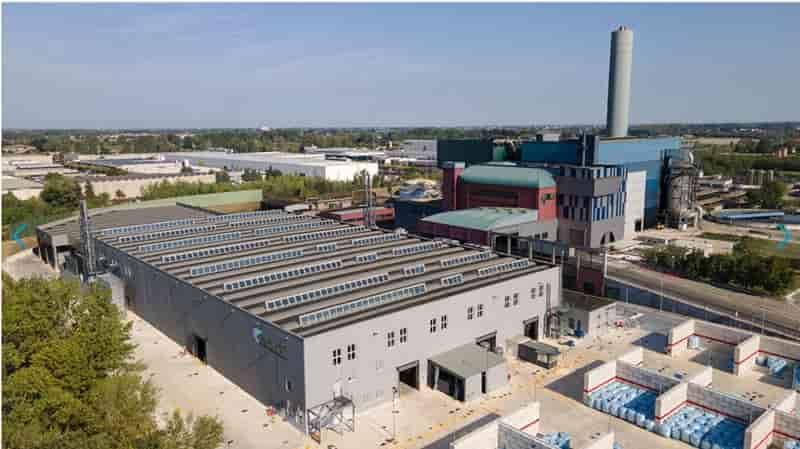
That approach is central to the planned restart of the Ortviken facility in Sundsvall. The plant is expected to resume production in the fourth quarter of 2026 and is positioned as a key industrial asset for chemical textile recycling at commercial scale.
The Ortviken facility could become a key circular fashion hub
The Ortviken plant is significant because textile-to-textile recycling still faces a scale problem. Many solutions remain at pilot stage, while the fashion industry produces and discards textiles at a volume that requires industrial infrastructure.
Circulose says the Sundsvall facility is the world’s first commercial-scale chemical textile recycling plant. Once restarted, it is expected to supply recycled pulp to fiber producers and brands looking for lower-impact raw materials.
For the circular fashion sector, this matters because brands need reliable volumes. A recycled material may be attractive in theory, but apparel companies cannot integrate it into sourcing plans unless supply is stable, quality is consistent and producers can meet commercial timelines.
The new brand partnerships therefore support a broader restart narrative: Circulose is trying to prove that recycled textile pulp can move from sustainability pilots into recurring production.
Why fashion brands are paying closer attention
The fashion industry is facing stronger pressure from regulators, investors and consumers to address textile waste. In Europe, circular economy rules are becoming more concrete, especially around textile waste collection, producer responsibility and the destruction of unsold products.
This creates a stronger business case for materials that can reduce waste and keep fibers in use for longer. Brands that invest early in textile-to-textile recycling may be better prepared for a future where circular design, recycled content and end-of-life responsibility become standard expectations.
At the same time, the economics remain challenging. Recycled textile materials must compete with established virgin fibers, existing viscose supply chains and low-cost global production models. For many brands, the question is not whether circularity is desirable, but whether it can be integrated without disrupting margins, quality or delivery schedules.
Circulose’s partnership model appears designed to address that gap by offering brands more implementation support and by working across the supply chain rather than selling recycled pulp as a standalone commodity.
From sustainability promise to supply chain execution
The biggest test for Circulose will be execution. The company has strong brand interest, a recognizable circular material and an industrial facility preparing to restart. But the next stage will depend on whether the material can be produced, converted and adopted at meaningful scale.
For fashion brands, the opportunity is clear. Using recycled textile pulp can help reduce reliance on virgin raw materials and support circularity claims with a more tangible supply chain story. For fiber producers, Circulose offers a feedstock that can fit into regenerated cellulose fiber production. For the wider textile sector, the restart could demonstrate that post-bankruptcy next-generation material companies can recover if they are backed by clearer demand and stronger commercial discipline.
A sign of cautious confidence in circular materials
The addition of Eileen Fisher, Marimekko, Samsøe Samsøe and King Louie does not solve the fashion industry’s textile waste problem on its own. But it is a useful signal.
It shows that circular materials remain commercially relevant despite the setbacks that have affected the next-generation materials sector. It also shows that brands are not waiting only for regulation to force change. Some are already preparing their sourcing strategies for a market where recycled textile inputs are likely to become more important.
The real significance of the announcement is not only that four more brands have joined Circulose’s network. It is that the company’s restart is being built around a more practical idea of circular fashion: confirmed demand, industrial production, fiber partnerships and brand-level integration.
If Circulose can restart Ortviken successfully in the fourth quarter of 2026 and maintain reliable supply, its recycled pulp could become one of the more visible examples of textile-to-textile recycling moving from ambition to infrastructure.
For a fashion industry searching for credible ways to reduce waste and material impact, that would be a development worth watching closely.
Chemical Textile Recycling: Can Denovia Turn Waste Into Value?
More…