Urgent Industrial Boom: Why global EV battery recycling race is Accelerating Rapidly!
EV battery recycling race
The Shift Toward Urban Mining and Secondary Resource Security
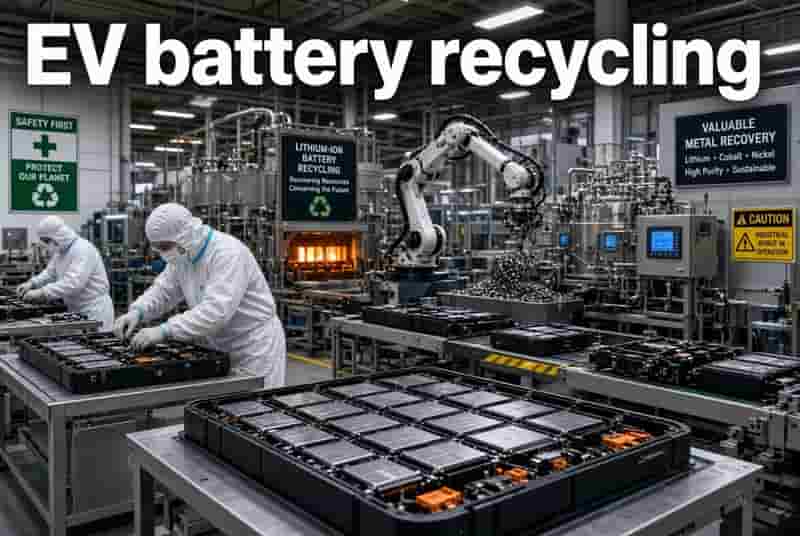
As electric vehicle adoption surges worldwide, global energy and automotive industries are confronting a massive structural wave: the arrival of millions of spent batteries reaching the end of their operational lifespan. Containing concentrated quantities of strategic critical minerals—including lithium, nickel, cobalt, and manganese—spent batteries are no longer viewed merely as industrial waste, but as vital domestic primary resource deposits. EV battery recycling race
This realization has ignited an intense EV battery recycling race among major energy conglomerates, material processing firms, and battery producers. Establishing closed-loop manufacturing ecosystems has shifted from an environmental PR objective to a core strategic necessity for long-term supply chain resilience. EV battery recycling race
Major Industrial Players Build Comprehensive Closed-Loop Systems
Across the globe, industrial leaders are racing to scale up recovery capacity and pioneer advanced eco-friendly extraction techniques. The strategy centers on capturing valuable materials before raw mineral bottlenecks disrupt production.
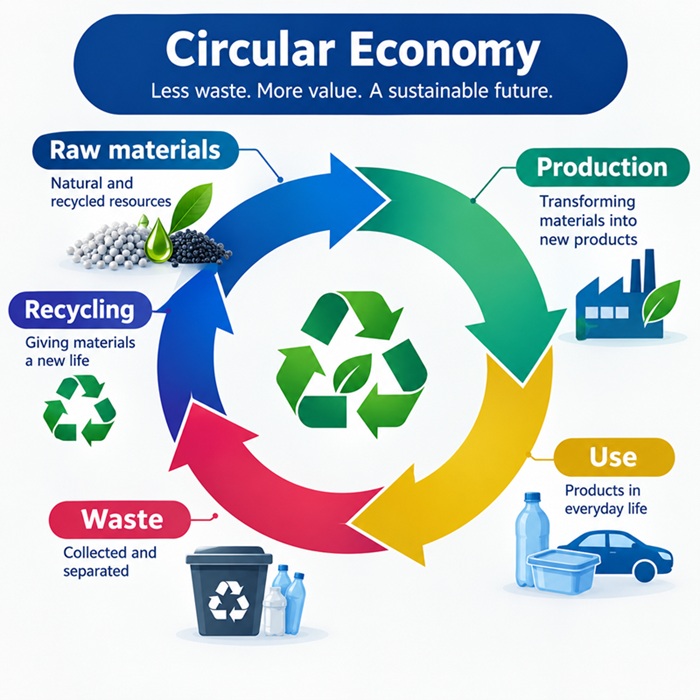
Raw Material Extraction ──> Battery Manufacturing ──> EV Operational Life
        ▲                                                      │
        │                                                      ▼
Secondary Cathode Production <── Black Mass Processing <── Spent Battery Collection
Industrial initiatives span multiple stages of the lifecycle:
-
Advanced Recovery Research: Industry pioneers are establishing dedicated laboratory hubs focused on maximizing mineral recovery percentages while cutting energy consumption and carbon emissions during chemical extraction.
-
Second-Life Repurposing Projects: Major automakers are partnering with battery manufacturers to transform retired vehicle batteries into Used-Battery Energy Storage Systems (UBESS), validating real-world safety and grid performance before final chemical recycling.
-
Full Value-Chain Integration: Materials companies are building comprehensive infrastructures that handle everything from initial discharge and disassembly to intermediate chemical processing and high-purity cathode material synthesis.
Processing facilities are already reaching industrial scale. Comprehensive pretreatment and mechanical shredding plants now yield thousands of metric tons of black mass—the crucial intermediate powder enriched with concentrated lithium, cobalt, and nickel. EV battery recycling race
Strategic Bottlenecks: The Battle Over Black Mass and International Trade
Despite rapid technological advancements, securing steady streams of spent batteries remains a significant operational challenge. Global collection infrastructure is still maturing, leaving substantial gaps in raw feed availability.
┌────────────────────────────────────────────────────────────────────────┐
│                   KEY BLACK MASS SUPPLY CHAIN FACTORS                  │
├────────────────────────────────┬───────────────────────────────────────┤
│ Processing Hub Monopoly        │ Control over 60%+ global output       │
├────────────────────────────────┼───────────────────────────────────────┤
│ Cross-Border Regulations       │ Basel Convention annual permit burdens│
├────────────────────────────────┼───────────────────────────────────────┤
│ Trade Restrictions             │ Export authorizations & safeguards    │
└───────────────────────────────┴───────────────────────────────────────┘
A central concern for national supply security is preventing high-grade black mass from flowing en masse to dominant international markets. Because certain Asian hubs control over two-thirds of global processing capacity, Western nations and strategic allies have increasingly implemented export restrictions and regulatory safeguards.
Furthermore, stringent environmental treaties—such as the Basel Convention—frequently impose annual import permit renewals on cross-border shipments, creating administrative burdens for facilities attempting to import black mass from foreign suppliers. EV battery recycling race
Policy Reform, Certification, and the Road Ahead
To overcome regulatory barriers and foster domestic resource circularity, governments are stepping up to overhaul outdated frameworks. Authorities are rolling out regulatory sandbox measures and revising classification rules so spent batteries can be legally recognized as circular raw materials rather than hazardous industrial waste. EV battery recycling race
Pilot programs for Battery Regenerated Raw Material Certification Systems are currently underway. These initiatives provide verified proof of origin and sustainability for recycled minerals. Building an efficient circular economy requires harmonized policy support, enabling domestic industries to re-inject critical battery materials directly back into energy storage manufacturing pipelines.
Game-Changing Closed-Loop Battery Recycling Breakthrough Powers General Motors Electric Fleet
More…