Incredible Breakthrough: Scientists Discover Plastic Eating Enzyme That Could Save Our Planet!
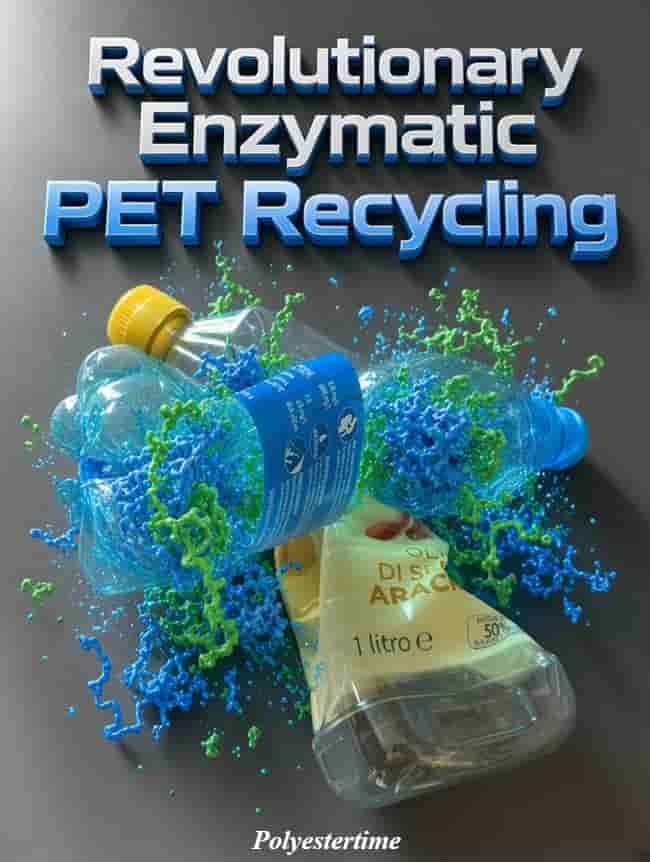
Plastic eating enzyme
Revolutionary Discovery Offers New Hope for Global Plastic Pollution
The global environmental crisis caused by persistent synthetic waste has long demanded innovative solutions. Now, researchers at the University of Konstanz in Germany have uncovered a groundbreaking biological mechanism that could completely transform how society approaches waste management. By identifying a unique microbial protein nicknamed the plastic eating enzyme, scientists have taken a monumental leap forward in natural recycling.
This newly characterized protein provides vital clues on how to harness natural microorganisms to combat modern environmental contamination. As traditional polymers continue to choke landfills and oceans, looking closely at how biological systems interact with synthetic materials opens up an entirely new frontier in green technology. plastic eating enzyme
Unveiling the ‘Pac-Man Enzyme’ Through Soil Experiments
To understand how microbial communities interact with synthetic polymers, biologists Harry Lerner and David Schleheck conducted extensive field experiments. The researchers buried samples of long-chain aliphatic polyester (LCAP) bioplastics approximately ten centimeters deep into the topsoil layer of the university’s botanical garden. plastic eating enzyme
Over an observation period ranging between 250 and 330 days, the results were astonishing. While conventional high-density polyethylene (HDPE) remained completely intact under identical conditions, the bioplastic samples experienced total structural decomposition. plastic eating enzyme
Advanced microscopic examinations of the degraded film unveiled a striking microscopic landscape. Tiny, uniform holes matching the exact dimensions and shapes of individual bacterial cells peppered the surface. This discovery pointed to active microbial degradation, where surface-anchored proteins allowed bacteria to digest their way directly into the material.
Structure and Dual Function of the Microbial Breakthrough
The research team successfully isolated the specific gene responsible for producing an esterase enzyme capable of cleaving ester bonds within the polymer chain. Because structural models revealed a remarkably wide-open active center—optimized to bind large, complex polymer chains—the team dubbed it the “Pac-Man enzyme”.
Even more intriguing was a secondary biochemical capability uncovered during laboratory testing. In addition to breaking down polyester plastics into basic monomers, the enzyme simultaneously cleaved the beta-lactam ring found in penicillin. This unexpected dual function hints at an evolutionary link between environmental plastic assimilation and natural antibiotic resistance mechanisms, offering microbiologists a broader understanding of how bacterial adaptation operates in modern ecosystems. plastic eating enzyme
Paving the Way for Sustainable Waste Management
While this natural catalyst demonstrates immense potential, scientists emphasize that it acts primarily on specialized polymers designed with specific chemical breaking points, such as LCAP. Durable, highly resilient conventional plastics like polyethylene continue to resist standard microbial breakdown, highlighting the urgent need for manufacturing shifts.
To resolve the global waste crisis, industries must increasingly transition toward bio-derived materials engineered with vulnerable chemical bonds. Integrating enzyme-based technologies into real-world recycling plants and scaling up production of compatible bioplastics will be essential steps toward achieving a cleaner, more sustainable future for global ecosystems. plastic eating enzyme
Revolutionary Single-Atom Plastic Enzyme Breakthrough Shreds Global PET Waste
More…