Essential Metallized BOPP Film Innovation Solves Flexible Packaging Dilemma
Essential Metallized BOPP Film Innovation Solves Flexible Packaging Dilemma
The global transition toward sustainable and circular packaging has long faced a fundamental engineering hurdle: balancing delicate, high-performance barrier requirements with true end-of-life recyclability. Traditional multi-material flexible packaging structures—specifically those incorporating ultra-thin aluminum foil layers—have historically excelled at shielding moisture- and oxygen-sensitive consumables from degradation, oxidation, and flavor loss. However, the complex chemical bonding of distinct material classes makes mechanical separation virtually impossible during conventional recycling processes. This structural reality drives millions of tons of multi-layer flexible packaging straight into landfills or waste-to-energy incineration facilities each year, frustrating global sustainability goals and regulatory compliance frameworks. metallized BOPP film
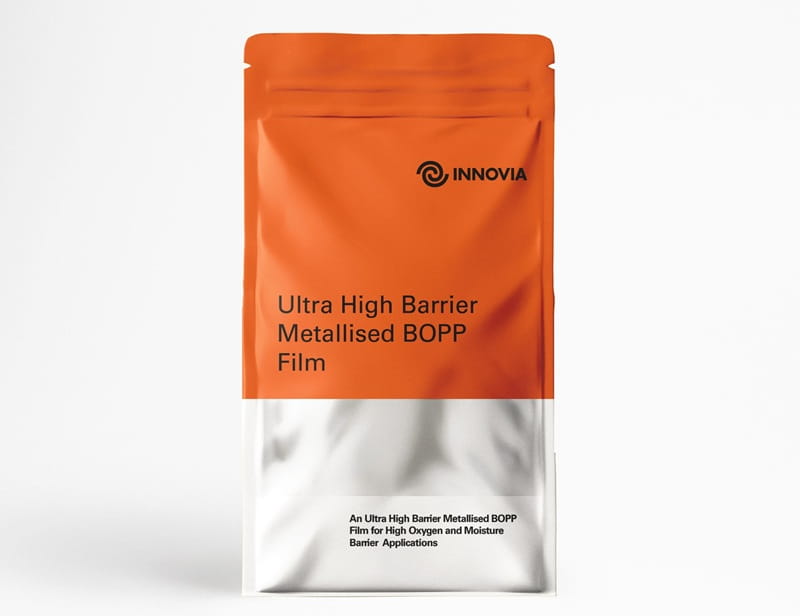
Addressing this industry-wide challenge head-on, material science pioneer Innovia Films recently announced the commercial launch of Propafilm CHBM. Engineered as an ultra-high barrier metallized biaxially oriented polypropylene (BOPP) solution, this specialized 18-micron material provides the protective performance traditionally reserved for aluminum foil, while maintaining absolute technical alignment with monomaterial recycling streams. By eliminating complex foil layers, this innovation marks a significant milestone for industrial converters and brand owners seeking to reconcile shelf-life extension with verifiable circular economy mandates. metallized BOPP film
Understanding the Technical Barrier Capabilities
Flexible packaging must defend product integrity across diverse and demanding global supply chain conditions. Oxygen transmission rate (OTR) and water vapor transmission rate (WVTR) serve as the primary engineering metrics for determining shelf-life longevity. High atmospheric oxygen intake degrades fats, promotes rancidity, and alters taste profiles in sensitive food items, whereas ambient humidity intrusion compromises physical crispness in snack foods, dry powders, bakery goods, and pet treats.
Propafilm CHBM establishes exceptionally low OTR and WVTR values within a single thin substrate. At an optimized thickness of 18 microns, the film combines high thermal stability with superior metallic coating adhesion. High optical density further guarantees the complete visual opacity that brands rely on to protect light-sensitive goods from ultraviolet degradation. Additionally, the reverse side of the film is specially treated to accept high-speed surface printing or facilitate seamless lamination, offering converting partners maximum manufacturing flexibility across existing processing equipment lines without requiring costly plant retrofits. metallized BOPP film
Overcoming the Recycling Bottleneck of Multi-Material Laminates
Historically, achieving absolute barrier protection meant laminating plastic films directly onto thin aluminum foil. While undeniably effective for product preservation, these composite structures introduce severe complications at industrial sorting and recycling plants. Traditional optical sorting systems and mechanical recovery lines cannot easily isolate the metallic foil from surrounding polymer matrix layers, resulting in contaminated batches of polymer resin that cannot be reprocessed into high-value secondary raw materials.
By substituting aluminum layers with a high-performance metallized BOPP film inside polypropylene-based laminates, packaging converters can create unified, all-polypropylene structures. Single-material configurations align directly with established mechanical recycling infrastructures designed specifically for rigid and flexible polyolefins. As strict regulatory mandates—such as the European Union’s Packaging and Packaging Waste Regulation (PPWR)—push global brands toward verifiable design-for-recycling criteria, monomaterial alignment becomes an absolute prerequisite for long-term commercial viability and market access. metallized BOPP film
Target Packaging Formats and Market Adoption
The versatility of advanced high-barrier BOPP film extends across food, pharmaceutical, and industrial sectors where sensory retention and product safety are paramount. Key commercial format applications include:
-
Stand-Up Pouches and Doypacks: Providing structural rigidity and exceptional gas resistance for coffee beans, nuts, superfood powders, and specialty dry ingredients.
-
Flat-Bottom Bags: Protecting premium confectionery, dried fruits, and high-end bakery items from destructive moisture and humidity fluctuations.
-
Flow-Wrap and Pillow Packs: Ensuring high-speed sealing integrity without compromising vulnerable barrier layers during automated, high-volume industrial packaging runs.
Alasdair McEwen, Packaging Business Unit Director for EMEA at Innovia Films, emphasized that modern brand owners no longer need to sacrifice product safety or shelf-life performance to achieve ambitious corporate circular economy objectives. Transitioning to monomaterial structures allows packaged goods producers to preserve delicate flavor profiles and extend freshness while drastically lowering overall environmental footprints. metallized BOPP film
Evaluating Real-World Recyclability Criteria
While the introduction of advanced metallized BOPP film represents a major material step forward for the flexible packaging sector, industry experts stress that full pack recyclability requires holistically evaluated package design. Final recycling success depends heavily on total laminate composition—including specialized inks, solvent-less adhesives, functional barrier coatings, and resealable closure mechanisms—as well as the maturity of regional waste collection, sorting, and chemical treatment infrastructure. metallized BOPP film
Nonetheless, switching from unseparable multi-material aluminum composites to unified polypropylene webs drastically simplifies recovery workflows and enhances compatibility with modern recycling technology. As global converters validate these innovative material structures, high-performance barrier films stand to redefine sustainable packaging design for decades to come, proving that environmental responsibility and uncompromising product protection can successfully coexist.
More…