Revolutionary Spandex Innovation Drives Massive Reductions in Apparel Carbon Footprint
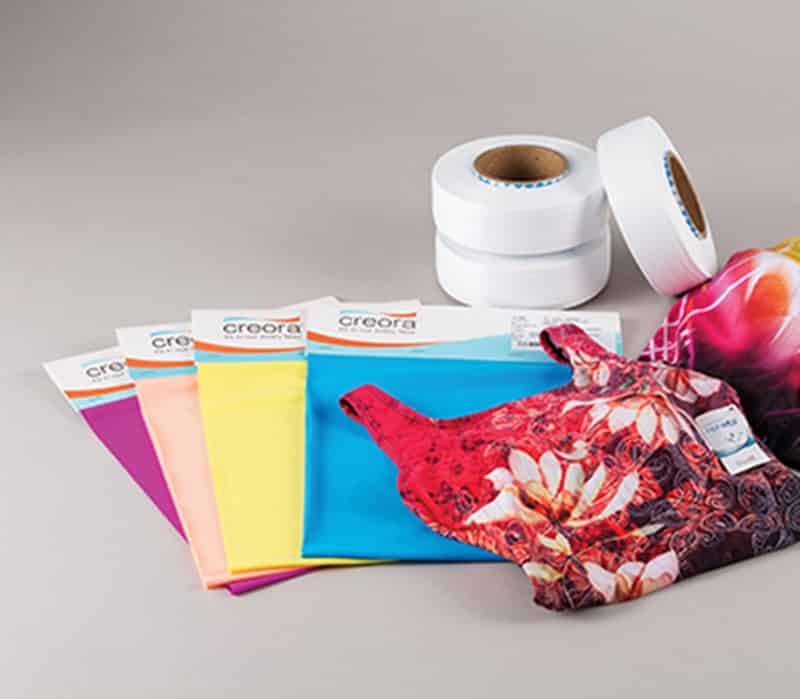
The LYCRA Company showcases commercial-scale plant-based spandex and advanced fiber separation technology at the Textile Exchange Conference 2026.

The LYCRA Company showcases commercial-scale plant-based spandex and advanced fiber separation technology at the Textile Exchange Conference 2026.
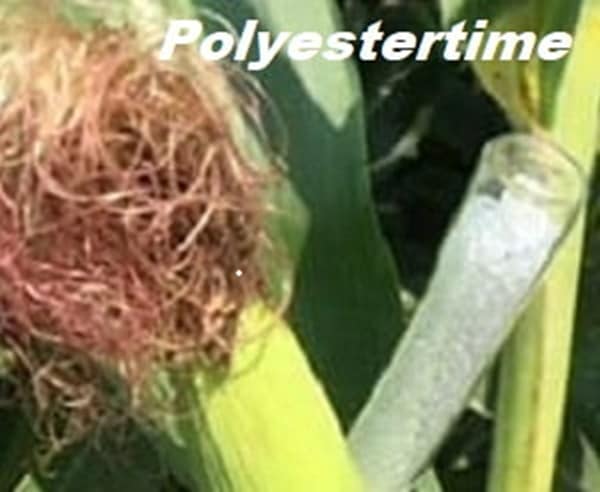
Italian brand Oroblù, alongside Fulgar and The Lycra Company, has debuted a ground-breaking capsule collection of tights constructed entirely from plant-derived yarns.
Performance fabrics like waterproof jackets have long been impossible to recycle due to tightly bonded composite layers. A groundbreaking chemical recycling process now breaks down PET/PU waste, turning complex textiles into high-performing circular materials while helping brands align with strict European regulations.
The Lycra Company is using China’s fast, integrated textile ecosystem to test and commercialize new performance fibers, stretch technologies and renewable materials.
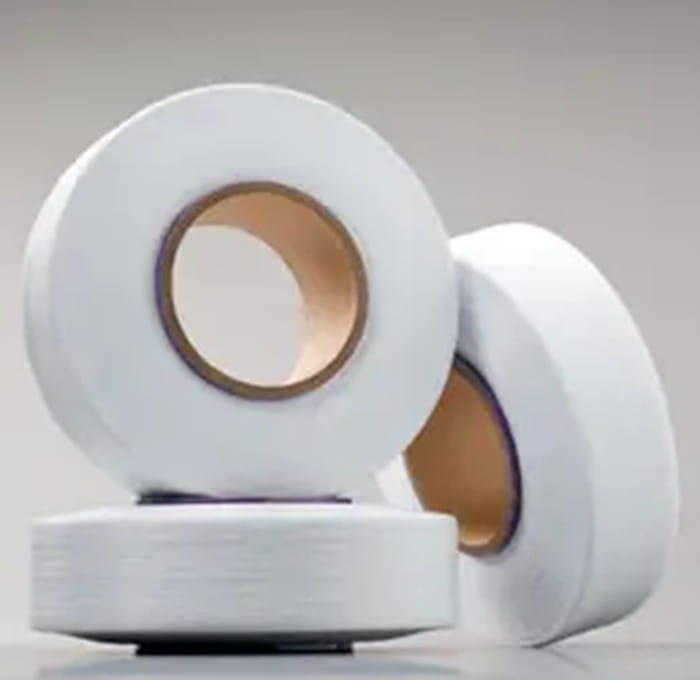
Hyosung TNC is bringing sugarcane-derived regen BIO Spandex closer to commercial-scale use in intimate apparel through integrated production and textile partnerships.
Sportswear brands are testing cellulosic fibres as they seek to reduce dependence on fossil-based synthetics without sacrificing comfort or performance.
A major industrial milestone confirms that polyester waste can be fully transformed into new textile-grade materials through validated large-scale recycling technology.
Hyosung TNC accelerates the shift to sustainable textiles with bio-based spandex derived from sugarcane, combining performance, scalability, and reduced carbon impact for modern apparel brands.
Toray introduces AURLIST™, an ultra-fine sensory polyester filament fiber engineered with NANODESIGN® conjugate spinning technology, delivering luxurious luster, soft loft, and a refined fibrillated texture for high-end women’s fashion.