Oil Prices Iran Outlook: Brent Near $73 as Hormuz Risk Eases
Oil Prices Iran Outlook: Brent Near $73 as Hormuz Risk Eases
Oil prices have moved sharply lower as traders reassess the risk premium linked to the US-Iran war, the Strait of Hormuz and the fragile diplomatic framework now shaping the energy market.
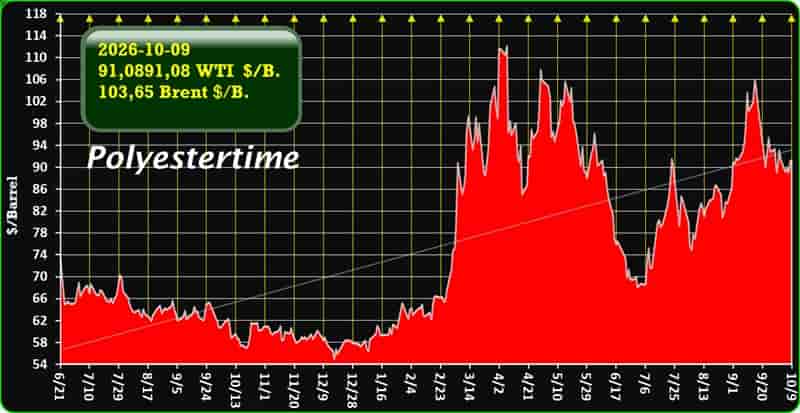
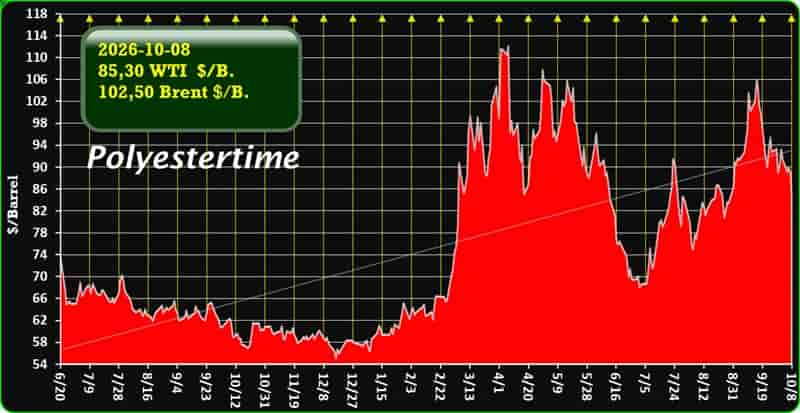
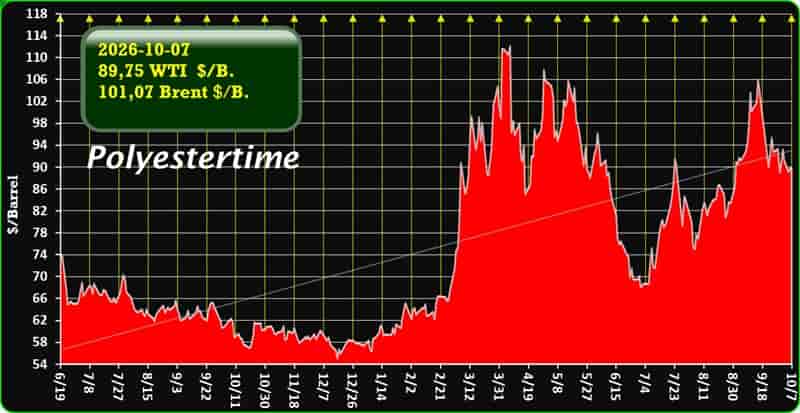
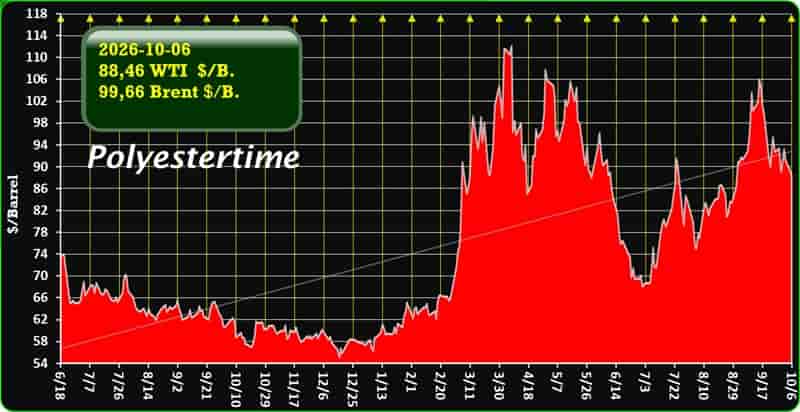
Brent crude is currently trading around $73 per barrel, while WTI is around $70 per barrel. These levels show how quickly the market has shifted from panic pricing to cautious relief. The decline does not mean the crisis is over. It means traders now see a lower probability of an immediate, severe supply shock than they did earlier in the conflict.
The key question for markets is simple: can oil keep flowing through the Strait of Hormuz without a renewed military escalation?
Why oil prices are falling now
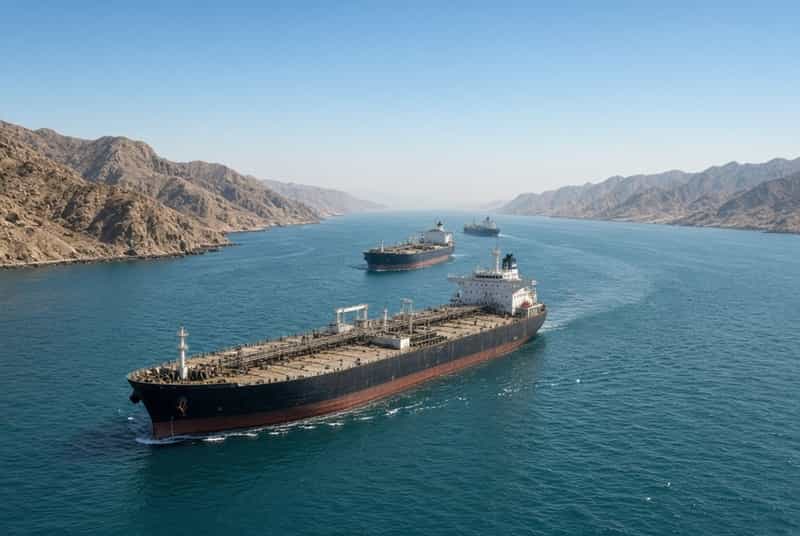
The latest move lower in crude prices is mainly linked to improving expectations around shipping through the Strait of Hormuz. This narrow maritime route is one of the world’s most important energy chokepoints, connecting Gulf producers with global buyers.
When the war disrupted flows, oil prices surged because the market feared a prolonged loss of Middle East supply. Now, signs of renewed tanker movement, alternative routing and diplomatic progress have reduced some of that fear.
That is why Brent has moved back toward the low-$70s and WTI is hovering near $70. The market is no longer pricing only the worst-case scenario. It is also pricing the possibility that part of the lost supply can gradually return.
The Strait of Hormuz remains the central risk
Even with prices lower, the Strait of Hormuz remains the main variable for oil markets.
Before the conflict, Hormuz handled a major share of global crude and petroleum product flows. Any disruption there immediately affects refiners, shipping companies, insurers, governments and consumers. It also affects liquefied natural gas, petrochemicals and refined fuels such as diesel and jet fuel.
The current situation is improving, but it is not normal. Shipping routes remain politically sensitive. Insurance costs may stay elevated. Tanker operators may remain cautious until the security situation is clearer. Producers that reduced output may also need time to restore operations.
This is why the oil market can fall sharply on positive news but still remain vulnerable to sudden rebounds.
What the US-Iran ceasefire means for crude
The interim US-Iran framework has changed the tone of the market. Traders are now watching whether the agreement can move from political announcement to practical implementation.
A durable ceasefire would likely keep pressure on prices by reducing the geopolitical risk premium. It could also allow more Iranian oil and Gulf exports to reach the market, improving supply visibility for refiners.
However, the agreement is still fragile. The details matter: navigation rights, sanctions enforcement, Iranian exports, nuclear negotiations and regional security guarantees could all influence whether oil flows normalize or stall again.
If the process holds, Brent could remain near current levels or move lower if demand remains soft. If the deal breaks down, the risk premium could return quickly.
Brent around $73 and WTI around $70: what it tells us
The Brent-WTI spread remains important. Brent is the global benchmark and reflects international supply risk more directly, especially in the Middle East and Europe. WTI is more closely tied to the US market, domestic inventories and North American logistics.
With Brent near $73 and WTI near $70, the market is signaling three things.
First, traders believe the immediate supply panic has eased.
Second, they still see a geopolitical premium, but a much smaller one than during the most intense phase of the conflict.
Third, weak demand expectations are limiting the upside. High energy prices earlier in the crisis reduced consumption, especially in price-sensitive economies.
This combination creates a market that looks calmer on the surface but remains highly reactive to headlines. oil prices Iran
Could oil prices rise again?
Yes. Oil prices could rise again if the US-Iran process deteriorates, if tanker routes through Hormuz become unsafe, or if Gulf production takes longer than expected to recover.
A renewed attack on shipping, new sanctions pressure, disruption to Iranian exports or a breakdown in talks could quickly push Brent higher. In that scenario, traders would likely reprice supply risk within hours, not weeks.
Another risk is that physical oil flows recover more slowly than political announcements suggest. Tankers, insurers, ports and refiners all need operational confidence before supply chains fully normalize.
This is why crude prices can remain volatile even after a diplomatic breakthrough.
Could oil prices fall further?
Oil prices could also fall further if shipping through Hormuz continues to improve, if Iranian and Gulf exports recover, and if global demand remains weak.
Demand is the bearish side of the story. Higher fuel prices earlier in the year, slower industrial activity in some regions and weaker consumer demand have all reduced the market’s ability to absorb expensive crude.
If supply normalizes while demand remains soft, Brent could struggle to move back toward previous highs. In that case, the market could shift from a war-risk premium to a surplus-risk narrative.
That would be a major change from the earlier phase of the crisis, when supply disruption dominated every price move.
What this means for consumers and inflation
Lower crude prices are good news for consumers, but the effect is not always immediate.
Gasoline, diesel and jet fuel prices do not move perfectly in line with crude. Refining margins, taxes, inventories, shipping costs and local supply constraints all matter. This means consumers may see relief at the pump gradually rather than instantly.
Still, lower Brent and WTI prices reduce pressure on inflation expectations. Energy costs affect transport, logistics, manufacturing, food distribution and airline pricing. If crude remains near current levels, it could help central banks and governments manage inflation pressure more easily.
But if the conflict worsens again, energy inflation could return quickly.
The market outlook: cautious relief, not full stability
The current oil market is best described as cautious relief.
Brent near $73 and WTI near $70 suggest that traders believe the worst-case supply shock has become less likely. But the market is not fully relaxed. The Strait of Hormuz remains a geopolitical chokepoint, and the US-Iran agreement still needs to survive diplomatic, military and legal tests.
For now, the most important indicators to watch are tanker movements through Hormuz, the pace of Gulf production recovery, Iranian export flows, insurance costs, sanctions signals and any signs that US-Iran talks are weakening.
If those indicators improve, oil prices may stay contained. If they deteriorate, crude could regain its risk premium quickly.
Bottom line
Oil prices have retreated because the market sees a possible path toward de-escalation in the US-Iran war and a gradual reopening of energy flows through the Strait of Hormuz.
But this is not a normal oil market yet. Brent around $73 and WTI around $70 reflect hope, not certainty.
The next move in crude will depend less on traditional supply-and-demand data and more on whether diplomacy can keep tankers moving safely through one of the world’s most important energy corridors.
Oil Prices Iran: Why Brent and WTI Are Falling After the War Shock
More….