Strait of Hormuz Blockade Sparks 5 Major Global Risks and Uncertainty
Strait of Hormuz blockade triggers global concern
The announcement of a Strait of Hormuz blockade by the United States marks a sharp escalation in an already fragile geopolitical situation. The move follows the collapse of high-level negotiations between Washington and Tehran, signaling a shift from diplomacy back toward coercive measures.
According to US military statements, the Strait of Hormuz blockade is set to target all vessels entering or leaving Iranian ports. This includes ports along both the Arabian Gulf and the Gulf of Oman, making it one of the most sweeping maritime restrictions in recent history.
The timing is critical. The Strait of Hormuz is one of the world’s most important energy corridors, handling a significant share of global oil and gas shipments. Any disruption immediately reverberates through international markets and supply chains.
Oil markets react to Strait of Hormuz blockade
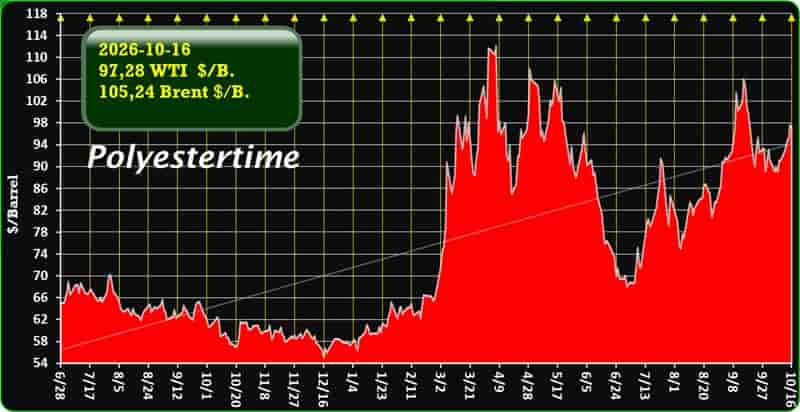
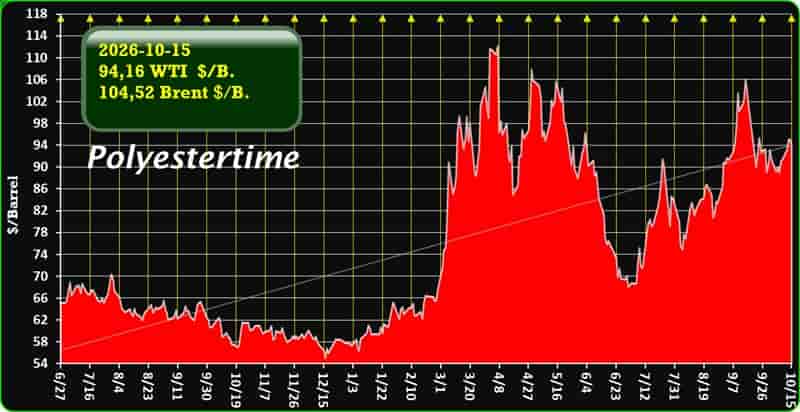
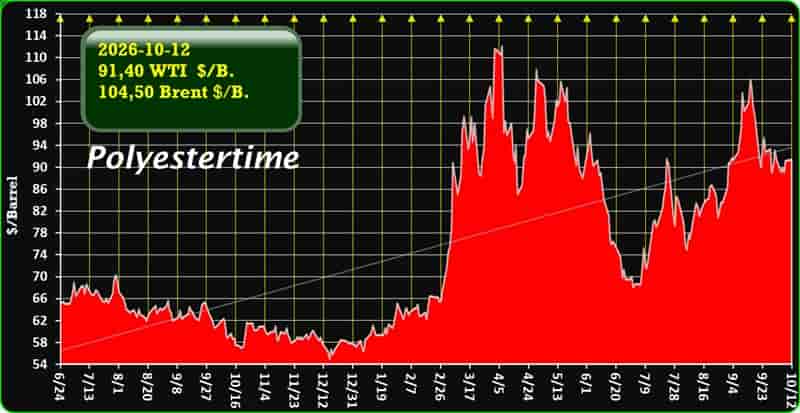
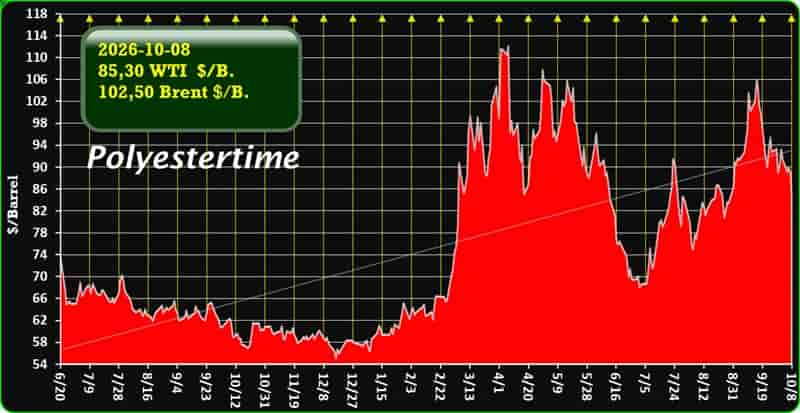
Financial markets responded quickly to the Strait of Hormuz blockade announcement. Oil prices surged by approximately eight percent in early trading, pushing both Brent and WTI crude above the $100 per barrel threshold.
This reaction reflects the strategic importance of the waterway. Even partial restrictions can create bottlenecks, reduce supply certainty, and trigger speculative trading. The Strait of Hormuz blockade amplifies these concerns by introducing military enforcement into an already tense region.
Energy analysts suggest that the primary objective behind the Strait of Hormuz blockade is economic pressure. By limiting Iran’s ability to export oil, the US aims to reduce Tehran’s revenue streams while encouraging major buyers, especially China, to influence Iranian policy.
Enforcement challenges and strategic ambiguity
Despite the strong rhetoric, questions remain about how the Strait of Hormuz blockade will be enforced in practice. Military analysts point out that maintaining a full blockade across such a busy and strategically sensitive area is operationally complex.
US Central Command clarified that vessels traveling to non-Iranian ports would not be impeded. However, distinguishing between routes and cargo destinations in real time introduces a layer of ambiguity that could lead to miscalculations.
This uncertainty is a defining feature of the Strait of Hormuz blockade. While the intention is to apply pressure without triggering full-scale conflict, the risk of escalation remains significant.
Iran’s response raises stakes
Iran has strongly condemned the Strait of Hormuz blockade, labeling it an act of piracy and warning of reciprocal consequences. Military officials in Tehran stated that if Iranian port security is threatened, other regional ports may also become unsafe.
This response highlights the fragile balance in the region. The Strait of Hormuz blockade is not seen by Iran as a limited measure but as a direct threat to sovereignty and economic stability.
Iran has already restricted traffic through the strait during the conflict, allowing passage primarily for vessels linked to friendly nations. The new blockade could harden these restrictions further, intensifying disruptions to global trade.
International reactions expose divisions
The Strait of Hormuz blockade has drawn mixed reactions from global powers and allies. China emphasized the importance of keeping the waterway open and stable, given its reliance on energy imports from the region.
Russia, a key ally of Iran, is actively engaging in diplomatic efforts, with high-level meetings planned in Beijing. These developments suggest that the Strait of Hormuz blockade could become a focal point for broader geopolitical alignment.
Among Western allies, skepticism is evident. Spain criticized the move as counterproductive, while the United Kingdom made it clear it would not participate. France has proposed a defensive multinational mission aimed at securing the strait without escalating tensions.
These divergent positions illustrate the complexity of the Strait of Hormuz blockade and its implications for international cooperation.
Economic and geopolitical consequences
The broader impact of the Strait of Hormuz blockade extends beyond immediate market reactions. Prolonged disruption could affect global inflation, supply chains, and economic growth.
Industries dependent on stable energy supplies are particularly vulnerable. Increased transportation costs, insurance premiums, and uncertainty could ripple across sectors, from manufacturing to logistics.
At the same time, the Strait of Hormuz blockade risks undermining the fragile ceasefire that recently halted active conflict. Analysts warn that such a move could be interpreted as a de facto resumption of hostilities, even if direct combat does not immediately follow.
Diplomatic efforts struggle to regain momentum
The failed negotiations in Pakistan represent a significant setback. Despite attempts to mediate, key disagreements remain unresolved, particularly regarding Iran’s nuclear program.
The United States has described its latest proposal as final, while Iran has shown no willingness to compromise under pressure. The Strait of Hormuz blockade therefore emerges as both a tactical measure and a signal of diplomatic deadlock.
Efforts to revive dialogue continue, with regional actors urging restraint. Pakistan has expressed hope that talks can resume, emphasizing the importance of maintaining the ceasefire.
What comes next for the Strait of Hormuz blockade
The coming days will be crucial in determining the trajectory of the Strait of Hormuz blockade. Much depends on how strictly it is enforced and how Iran and other stakeholders respond.
If tensions escalate, the blockade could evolve into a broader conflict affecting multiple countries and economic systems. Conversely, if managed carefully, it may serve as leverage to bring parties back to the negotiating table.
For now, the Strait of Hormuz blockade stands as a powerful reminder of how quickly geopolitical tensions can disrupt global stability. Its consequences will likely shape energy markets, diplomacy, and security strategies in the months ahead.
Strait of Hormuz Crisis Shows 5 Harsh Failures Weakening Western Power
More…