US-Iran War and Crude Volatility: How Brent at $97 and WTI at $90 Impact Global Markets
US Iran oil prices
US-Iran War and Crude Volatility: How Brent at $97 and WTI at $90 Impact Global Markets
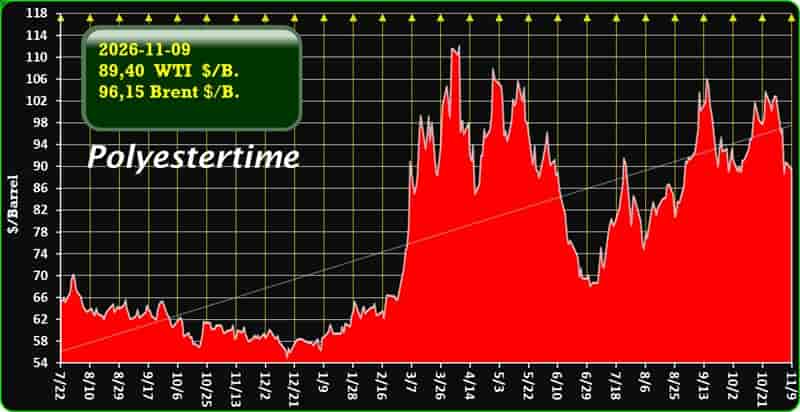
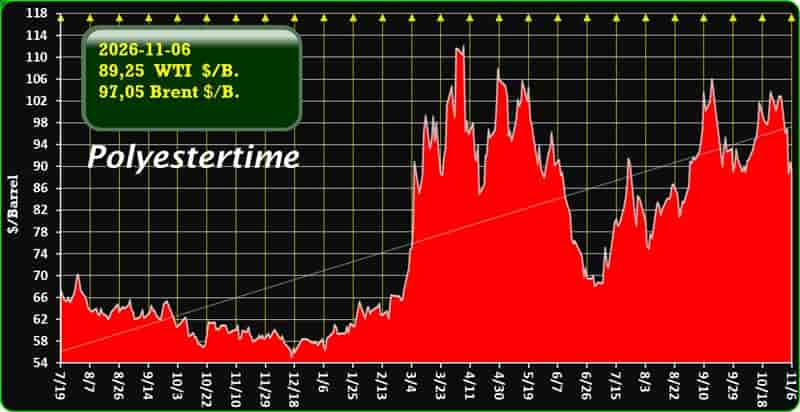
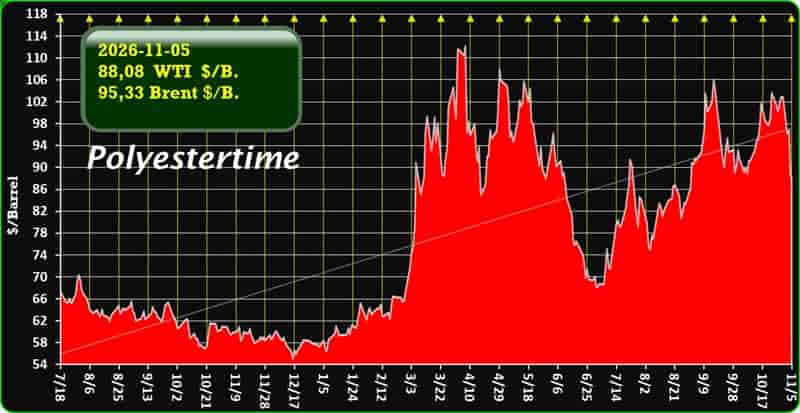
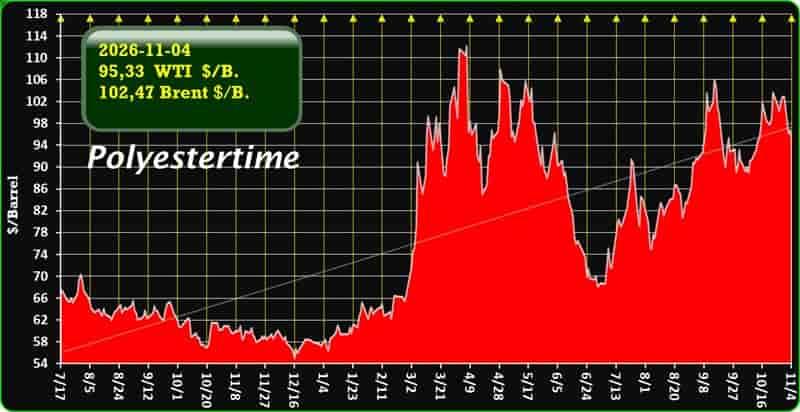
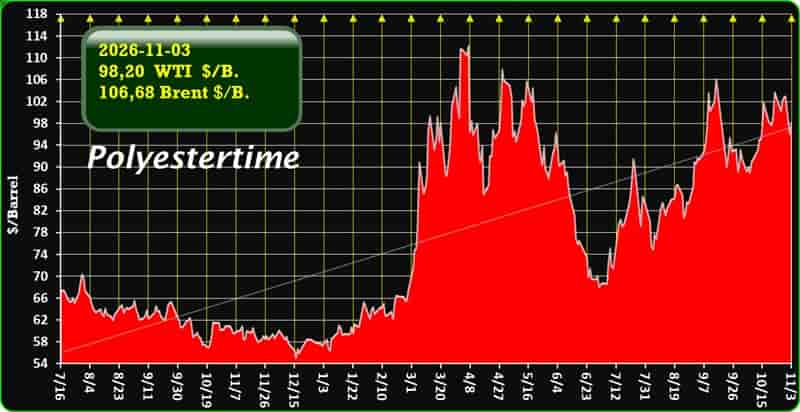
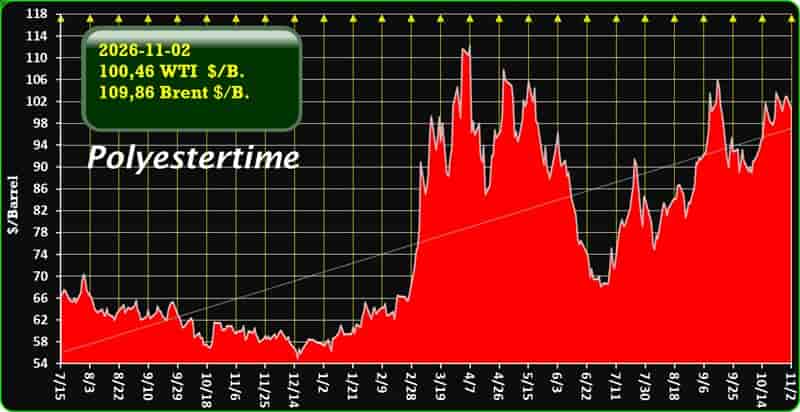
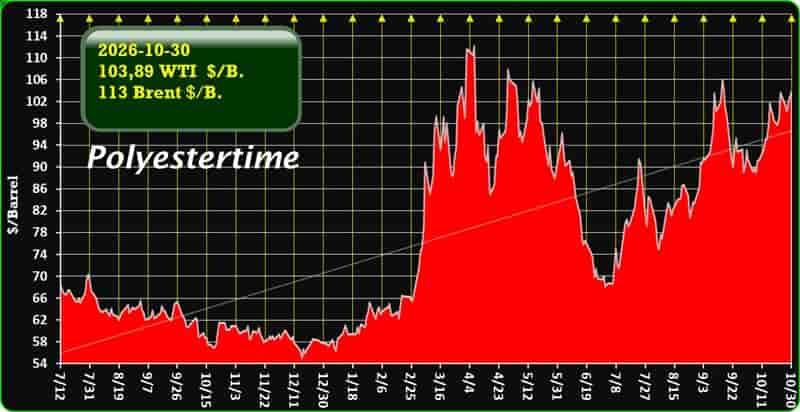
The international energy landscape is navigating intense volatility as geopolitical instability in the Middle East continues to dictate crude pricing dynamics. Recent fluctuations have seen Brent crude trading near $97 per barrel, with US West Texas Intermediate (WTI) holding steady around $90 per barrel.
While diplomatic developments and supply projections periodically trigger pullbacks from triple-digit peaks, the structural baseline for global energy costs remains elevated. The ongoing geopolitical friction between the United States and Iran remains the single largest risk premium driving global commodity exchanges, directly influencing inflation metrics, central bank policies, and maritime trade security across key international transit routes. US Iran oil prices
1. Current Price Benchmarks: Brent vs. WTI Spread
Energy markets remain highly sensitive to physical supply availability and route safety. Brent crude, the international benchmark, reflects global trade vulnerabilities, particularly across European and Asian imports that rely heavily on maritime supply corridors passing through Middle Eastern waters. At roughly $97 per barrel, Brent incorporates a persistent geopolitical risk premium driven by maritime threat assessments and insurance adjustments for international tankers.
Conversely, WTI trades around $90 per barrel. The structural price spread between Brent and WTI underscores regional supply mechanics. While domestic production levels and strategic reserves within the North American market provide a relative buffer for domestic refiners, global demand pressure prevents WTI from fully decoupling from international spikes. When international supply lines face operational constraints, export demand for North American crude increases, elevating WTI price baselines accordingly. US Iran oil prices
2. Geopolitical Escalation and Maritime Risk
The central driver of current energy market speculation is the ongoing confrontation involving US military postures, regional forces, and Iranian assets. The primary vulnerability remains the Strait of Hormuz, a critical maritime choke point responsible for carrying approximately 20% of the world’s petroleum supply and significant volumes of liquefied natural gas (LNG).
Even partial or temporary interruptions in commercial shipping traffic through the Persian Gulf send immediate shockwaves through global markets. Increased risk premiums assessed by maritime insurers, vessel diversions around key transit points, and targeted attacks on commercial tankers directly compress available global supply margins. Market analysts emphasize that while physical production facilities may remain operational, shipping disruptions alone are sufficient to sustain Brent crude near or above key resistance levels. US Iran oil prices
3. Diplomatic Signals vs. Strategic Stockpiling
The energy market currently exists in a state of precarious equilibrium, balancing immediate conflict risks against diplomatic maneuvering. Short-term market pullbacks—such as movement toward $97 Brent and $90 WTI—frequently occur when diplomatic channels report progress or when major powers indicate temporary pauses in direct kinetic operations.
However, institutional buyers and sovereign entities are increasingly prioritizing strategic stockpiling to guard against sudden supply cuts. Energy intelligence models from major analytical firms suggest that long-term crude pricing will remain structurally elevated even if active conflict subsides. Strategic reserve replenishment by major oil-importing nations creates a solid demand floor, preventing prices from experiencing deep corrections even during temporary diplomatic lulls. US Iran oil prices
4. Economic Implications: Inflation, Freight, and Consumer Costs
Oil at $97 per barrel carries wide-ranging macroeconomic repercussions for businesses and consumer markets globally:
-
Upstream Transportation Costs: High crude prices directly inflate jet fuel, marine gas oil, and diesel costs, driving up air freight and maritime shipping rates across global supply chains.
-
Persistent Inflation Pressure: Energy prices act as a baseline input for manufacturing, agricultural logistics, and industrial output. Sustained high fuel prices complicate central bank efforts to keep headline inflation targets in check.
-
Refining and Downstream Margins: Refiners face higher feedstock costs. While elevated product margins support refining profitability, domestic fuel retail prices remain near seasonal highs, squeezing consumer purchasing power. US Iran oil prices
Developing economies and nations dependent on energy imports bear the heaviest burden. Currency fluctuations against the US Dollar further amplify the domestic cost of imported crude for international markets.
5. Market Forecast and Strategic Outlook
Traders and institutional analysts are closely monitoring three critical indicators to project market direction over the coming quarters:
-
Strait Security and Tanker Flow Rates: Any verifiable change in daily vessel throughput through the Strait of Hormuz directly determines whether Brent moves toward triple digits or stabilizes below $90.
-
OPEC+ Production Quotas: Official production output decisions by OPEC+ member states provide the primary counterbalance to Western geopolitical disruption. Any decision to release spare capacity can mitigate supply shocks. US Iran oil prices
-
US Domestic Reserve Utilization: Policy decisions regarding Strategic Petroleum Reserve (SPR) releases serve as a primary tool to mitigate domestic price surges, influencing WTI stability in the short term.
Until clear structural resolutions emerge regarding regional security infrastructure, energy markets will continue to operate under a geopolitical regime where headlines drive double-digit daily volatility.
Summary Key Metrics
| Indicator | Current Benchmark Level | Primary Influencing Factor |
| Brent Crude | ~$97 / barrel | Shipping risk premiums & regional maritime status |
| WTI Crude | ~$90 / barrel | Export demand pressure & North American reserves |
| Key Choke Point | Strait of Hormuz | Transit safety for ~20% of global petroleum flows |
| Market Outlook | Volatile / Elevated | Balance between diplomatic signals & supply security |
US Iran Oil Market Dynamics: Why Brent Trades at $98 and WTI Holds at $90
More…