Sustainable PET Preform Manufacturing Advances Show 7 Powerful Industry Transformations
Introduction: A Turning Point for PET Production
Sustainable PET preform manufacturing is rapidly becoming a central priority for the global packaging industry. As environmental regulations tighten and consumer expectations evolve, manufacturers are under pressure to reduce their environmental footprint while maintaining productivity and product quality. This shift is not incremental but transformative, requiring new technologies, smarter systems, and a rethinking of how production lines operate.
At the center of this evolution is a move away from isolated equipment toward fully integrated solutions. These systems are designed to optimize every stage of production, from raw material handling to final quality control, making sustainable PET preform manufacturing both scalable and economically viable.
Rising Demands Are Reshaping the Industry
The packaging sector is facing a complex set of challenges. Companies must increase the use of recycled materials, lower energy consumption, and design lighter packaging solutions. At the same time, they cannot compromise on output speed, efficiency, or consistency.
Sustainable PET preform manufacturing addresses these demands by combining advanced engineering with process optimization. Instead of treating sustainability as an add-on, modern systems embed it directly into production workflows. This approach ensures that environmental goals are met without sacrificing operational performance.
Scaling rPET Without Compromising Quality
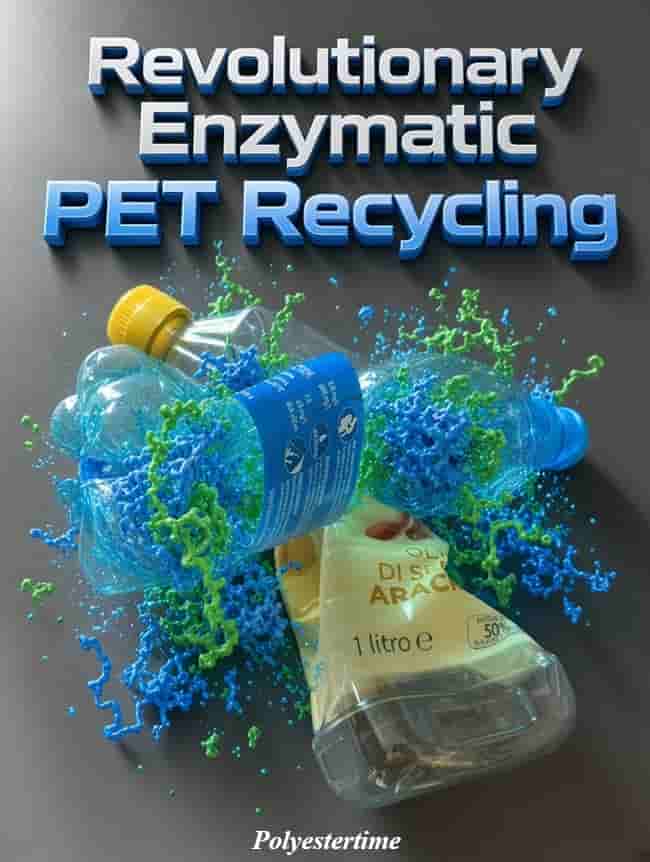
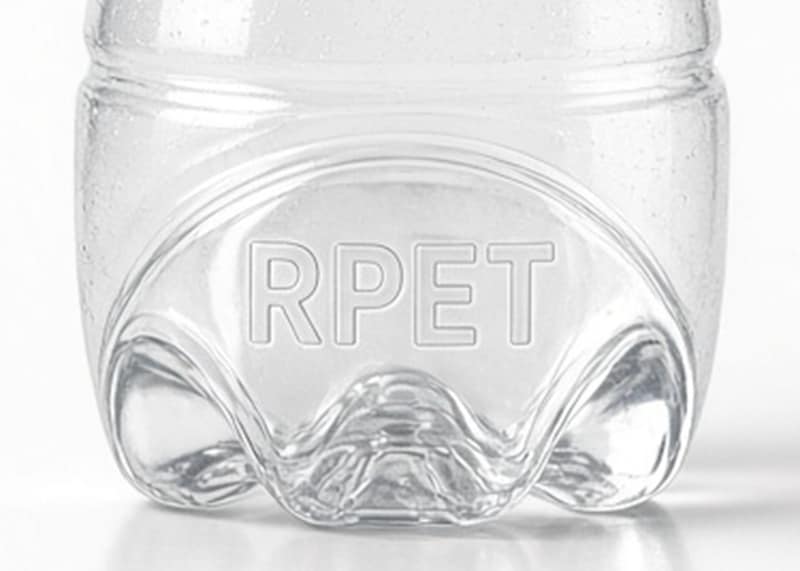
One of the most significant hurdles in sustainable PET preform manufacturing is the effective use of recycled PET, commonly known as rPET. Unlike virgin materials, rPET can vary in quality, creating challenges in maintaining consistent output and product integrity.
Recent technological advancements are overcoming these limitations. Enhanced melt management systems and precise process controls allow manufacturers to handle material variability more effectively. These innovations ensure uniform melt quality, enabling high-performance production even when using 100% recycled content.
By stabilizing the production process, sustainable PET preform manufacturing can now deliver consistent, high-quality preforms at industrial scale, a milestone that was difficult to achieve in the past.
Integrated Systems Are Driving Efficiency
A defining feature of modern sustainable PET preform manufacturing is system integration. Instead of relying on separate machines for different tasks, integrated platforms combine injection molding, mold technology, and auxiliary systems into a single cohesive unit.
This integration improves synchronization across the production line, reducing inefficiencies and minimizing downtime. Manufacturers benefit from streamlined operations, better resource utilization, and enhanced process reliability.
Automation also plays a key role. Real-time monitoring and closed-loop control systems continuously adjust parameters to maintain optimal conditions. This reduces the need for manual intervention and ensures consistent product quality across long production runs.
The Critical Role of Advanced Drying Technologies
Material preparation is a crucial component of sustainable PET preform manufacturing. Moisture and contaminants in recycled materials can significantly impact final product quality.
Modern vacuum drying technologies address this issue by improving moisture removal and contaminant control. These systems operate more efficiently than traditional drying methods, reducing energy consumption while enhancing material consistency.
In addition, advanced drying solutions enable faster material changeovers. This flexibility allows manufacturers to switch between different materials and applications with minimal disruption, increasing overall productivity.
Energy Efficiency Becomes a Competitive Advantage
Energy consumption is a major cost factor in PET production. Sustainable PET preform manufacturing tackles this challenge through system-level innovations that optimize energy use.
Servo-driven components and adaptive pressure control systems ensure that energy is applied only where necessary. This targeted approach reduces waste and lowers operational costs without affecting production speed.
By improving energy efficiency, manufacturers not only meet sustainability targets but also gain a competitive edge in an increasingly cost-sensitive market.
Boosting Productivity Through Smart Design
While sustainability is a key driver, productivity remains essential. Advances in system design are enabling higher cavitation molds, faster cycle times, and more efficient preform geometries.
These improvements allow manufacturers to produce more units in less time, reducing the cost per unit and enhancing profitability. Sustainable PET preform manufacturing demonstrates that environmental responsibility and high productivity can go hand in hand.
The integration of automation and intelligent controls further enhances performance. Operators can manage complex processes more easily, reducing errors and improving uptime.
Automation and Digitalization Simplify Operations
Digital technologies are transforming how production systems are managed. In sustainable PET preform manufacturing, real-time data collection and analysis provide valuable insights into system performance.
Automated quality control systems detect defects early, preventing waste and ensuring consistent output. Closed-loop feedback mechanisms continuously refine the process, maintaining optimal conditions without manual adjustments.
These capabilities reduce reliance on operator expertise, making production more accessible and scalable. As a result, manufacturers can achieve higher efficiency with fewer resources.
A Holistic Approach for a Circular Economy
The future of sustainable PET preform manufacturing lies in adopting a holistic approach. This means considering the entire production ecosystem, from raw materials to energy consumption and waste management.
Integrated systems are essential for achieving this goal. By combining advanced processing technologies with energy-efficient designs and material optimization, manufacturers can significantly reduce their environmental impact.
This approach aligns with the principles of a circular economy, where resources are reused and waste is minimized. Sustainable PET preform manufacturing plays a crucial role in making this vision a reality.
Conclusion: Redefining What’s Possible
Sustainable PET preform manufacturing is no longer a niche concept but a fundamental requirement for the packaging industry. Through innovations in rPET processing, system integration, energy efficiency, and automation, manufacturers are redefining what is possible.
These advancements demonstrate that sustainability does not have to come at the expense of performance. On the contrary, it can drive efficiency, reduce costs, and open new opportunities for growth.
As the industry continues to evolve, sustainable PET preform manufacturing will remain at the forefront, shaping a future where high-quality production and environmental responsibility go hand in hand.
More…