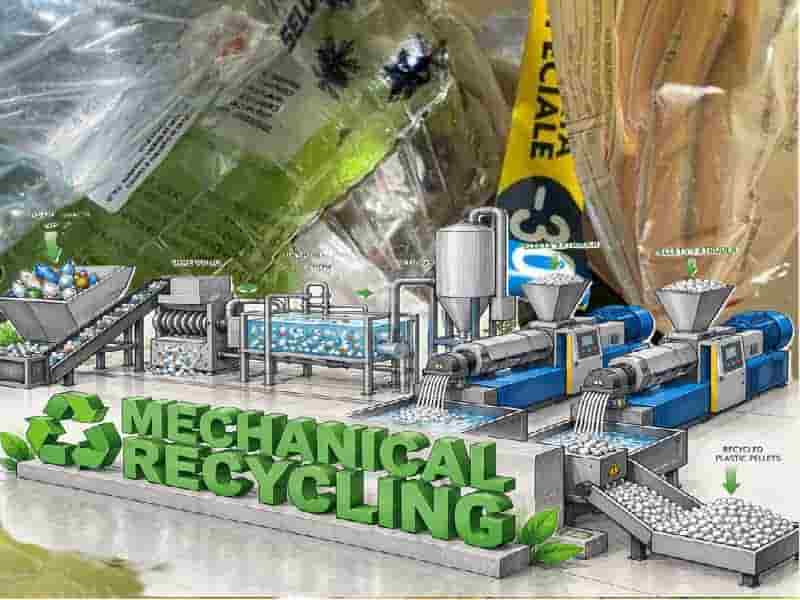
EREMA drives 5 powerful advances in high-quality plastics recycling worldwide growth
EREMA drives innovation in plastics recycling technology at Chinaplas 2026
The global demand for high-quality recycled materials is accelerating, driven by stricter environmental regulations and sustainability commitments from major brands. At Chinaplas 2026, scheduled from April 21 to 24 in Shanghai, EREMA is positioning itself at the center of this transformation by presenting advanced plastics recycling technology designed to deliver consistent, high-grade regranulates.
As industries shift toward circular production models, plastics recycling technology is becoming essential for maintaining product quality while reducing environmental impact. EREMA’s presence at the event reflects this growing urgency, with a strong focus on enabling manufacturers to meet both regulatory and market expectations.
Addressing real-world challenges in recyclate applications
Companies across the plastics value chain are increasingly asking where and how recycled materials can be used effectively. These questions are not theoretical—they directly impact production decisions, compliance strategies, and long-term investments.
EREMA’s approach to plastics recycling technology addresses these concerns by combining process stability with flexibility. The company’s experts are engaging directly with industry stakeholders at Chinaplas to explore how recyclates can be integrated into demanding applications without compromising performance.
This dialogue is critical as more sectors—from packaging to textiles—seek reliable solutions for incorporating recycled content into premium products.
PET recycling evolves toward food-grade applications
Polyethylene terephthalate remains a cornerstone of global recycling systems, particularly in China. EREMA has already installed more than 50 VACUREMA® and VACUNITE® systems in the region, demonstrating the scalability of its plastics recycling technology.
The current trend is moving decisively toward food-grade applications. This shift requires advanced decontamination processes and strict compliance with international safety standards. EREMA’s systems are engineered to meet these requirements, enabling the production of high-quality rPET suitable for packaging, sheets, and fibers.
One of the most promising developments is the transition to bottle-to-bottle recycling. While this segment is still evolving in China, EREMA’s technology ensures that customers are prepared to enter the market as soon as regulatory frameworks allow.
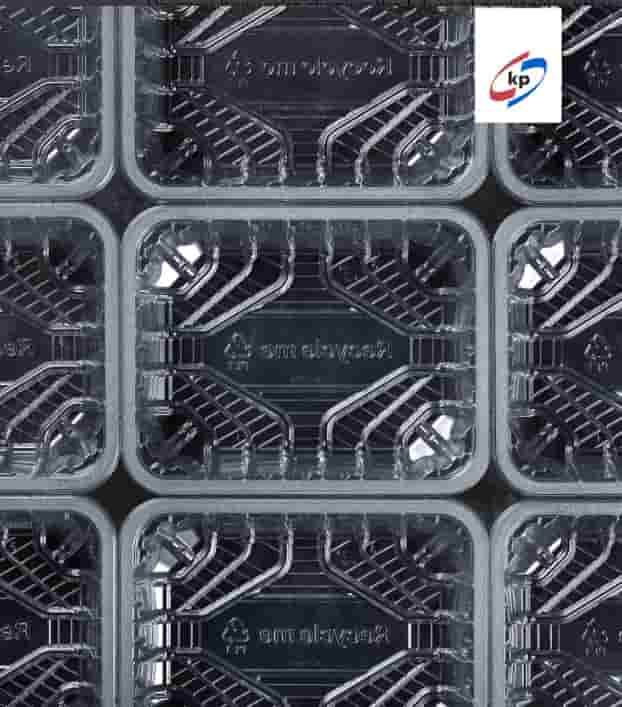
Additionally, tray-to-tray recycling is gaining traction. This process, particularly relevant for takeaway packaging, demonstrates how plastics recycling technology can support closed-loop systems. Industrial-scale implementations have already proven that recycled PET can meet demanding standards for safety, durability, and transparency.
Regulatory validation strengthens market confidence
A critical factor in advancing plastics recycling technology is regulatory approval. EREMA has secured multiple positive evaluations from leading food safety authorities, including recent approvals under European Union regulations.
These certifications confirm that the company’s systems meet stringent requirements for decontamination and process validation. For recyclers and manufacturers, this validation reduces risk and accelerates adoption of recycled materials in sensitive applications.
By simplifying distinctions between different PET streams, EREMA also helps reduce operational complexity, making plastics recycling technology more accessible and efficient for processors.
Expanding capabilities in textile recycling
While much of China’s recycled PET is currently used in textiles, the sector is undergoing its own transformation. Innovations such as fibre-to-fibre recycling are redefining how materials are reused, creating opportunities for true circularity within the textile industry.
EREMA is actively expanding its capabilities in this area, combining proprietary technologies with strategic investments. This includes collaborations aimed at improving the recovery and reuse of complex textile waste streams.
As sustainability pressures increase in the fashion and textile sectors, plastics recycling technology will play a crucial role in reducing reliance on virgin materials.
Post-consumer recycling gains industrial momentum
Beyond PET, post-consumer recycling is emerging as a key growth area. In China, interest in processing household waste into high-quality recyclates is rising rapidly.
EREMA’s plastics recycling technology supports this shift through integrated solutions that combine washing and extrusion processes. These systems are designed to handle contaminated and moisture-rich materials, such as used packaging and agricultural films.
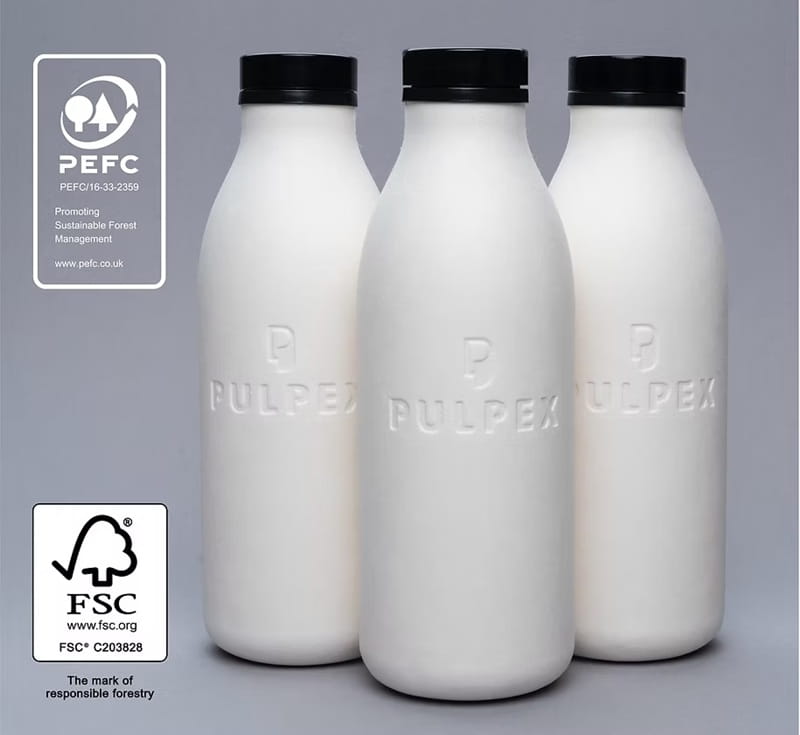
A notable example involves the recycling of HDPE milk bottles into new food-grade containers. This closed-loop process demonstrates how advanced technology can transform waste into valuable resources while meeting strict safety standards.
Such developments highlight the increasing maturity of post-consumer recycling, particularly as it moves toward applications with direct consumer contact.
Tackling complex film waste streams
Film recycling remains one of the most challenging areas due to contamination and variability in material composition. Household and agricultural films often contain residues that complicate processing.
EREMA addresses these challenges with specialized systems engineered for demanding conditions. Its plastics recycling technology ensures efficient filtration, consistent melt quality, and reliable output even with difficult input streams.
As regulatory pressure increases on single-use plastics, the ability to process film waste effectively will become a critical competitive advantage for recyclers.
Industrial success stories demonstrate scalability
Real-world implementations are essential for validating new technologies. Companies like INTCO illustrate how plastics recycling technology can be scaled successfully.
Operating multiple advanced recycling systems, INTCO produces high-quality recyclates used in premium applications such as decorative frames. This demonstrates that recycled materials can compete with virgin plastics in both performance and aesthetics.
Integrated value chains further enhance competitiveness, allowing companies to control quality from raw material input to finished product. This model is likely to become more widespread as the industry evolves.
Strong regional presence supports customer adoption
EREMA’s long-standing presence in Asia plays a crucial role in its success. With a dedicated subsidiary in China and additional operations in India and Thailand, the company provides localized support backed by global expertise.
Technicians trained at the company’s Austrian headquarters ensure that customers receive consistent service and technical guidance. This proximity enables faster implementation of plastics recycling technology and more effective problem-solving on the ground.
As demand for recycling solutions continues to grow, this combination of local presence and global knowledge will be a key differentiator.
Outlook: plastics recycling technology as a cornerstone of sustainability
The transition to a circular economy is no longer optional—it is a strategic necessity. Plastics recycling technology sits at the heart of this transformation, enabling industries to reduce waste, conserve resources, and meet evolving regulatory requirements.
EREMA’s innovations showcased at Chinaplas 2026 underline the rapid progress being made across multiple segments, from PET and textiles to post-consumer waste.
As adoption accelerates, the focus will increasingly shift toward scalability, efficiency, and integration across value chains. Companies that invest in advanced plastics recycling technology today will be better positioned to lead in a more sustainable and competitive global market.
www.erema-group.com