The Unstoppable Recycled PET Market Boom Triggered by Global Oil Shocks
Recycled PET Market Boom
The Unstoppable Recycled PET Market Boom Triggered by Global Oil Shocks
Supply disruptions in petrochemical raw materials stemming from ongoing military conflicts in the Middle East have transformed into an unexpected economic windfall for the global recycled plastics sector. As prices for virgin polyethylene terephthalate (PET) resin—derived directly from crude oil and refined naphtha—spiked throughout international markets, manufacturing demand aggressively migrated toward recycled PET (rPET) chips. This shift gave recycled options a distinct cost advantage for the first time in years. Recycled PET Market Boom
Among the prominent corporate beneficiaries of this structural market realignment is Samyang Ecotech, the dedicated sustainable materials affiliate of South Korea’s Samyang Group. Market figures demonstrate that cumulative sales of R-Chip—Samyang Ecotech’s proprietary recycled PET chip—exceeded 7,000 tons through late autumn. This figure represents more than four times the roughly 1,600 tons sold across the entire preceding year, effectively surpassing total prior-year performance within ten months of operation. Recycled PET Market Boom
Petrochemical Vulnerability vs. Local Sourcing Decoupling
The underlying driver of this sudden acceleration traces back to severe supply chain instability across upstream petrochemical networks. PET represents one of the world’s most ubiquitous packaging materials, forming the structural backbone of consumer water bottles, beverage packaging, and thermoformed food containers. Standard virgin resin relies on intermediate petrochemical feedstocks, primarily naphtha, purified terephthalic acid (PTA), and monoethylene glycol (MEG), which trace back directly to refined crude oil. Recycled PET Market Boom
When geopolitical conflict destabilizes critical oil corridors and maritime chokepoints like the Strait of Hormuz, refining schedules are interrupted and global transport surcharges escalate rapidly. These disruptions pull virgin resin costs sharply upward while introducing delivery uncertainty for global converters. Recycled PET Market Boom
| Material Type | Primary Raw Feedstock | Sourcing Vulnerability | Pricing Drivers |
| Virgin PET Resin | Crude Oil / Naphtha / Ethane | High (Exposed to maritime chokepoints & crude shocks) | Crude oil prices, refinery operations, freight surcharges |
| Recycled PET (R-Chip) | Municipal Post-Consumer Waste | Low (Sourced via domestic municipal bottle collection) | Collection rates, mechanical processing, regulatory quotas |
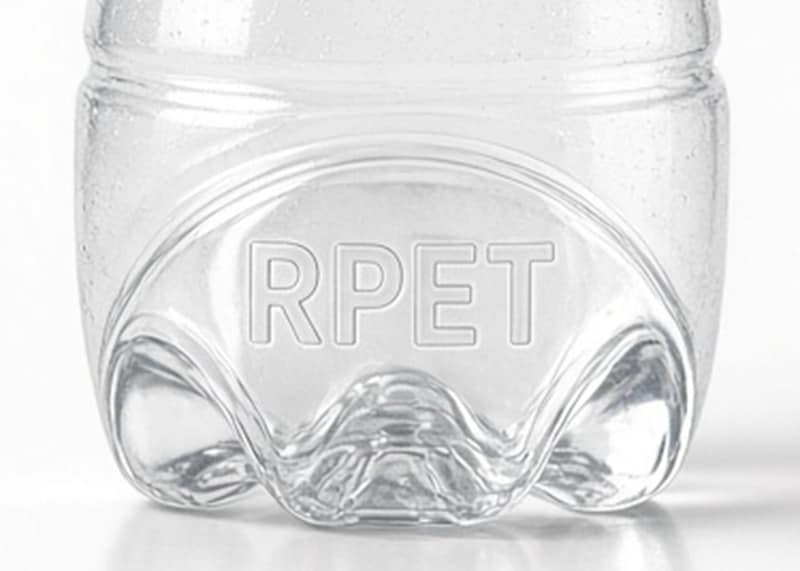
By comparison, high-grade recycled PET chips bypass fossil-fuel refining channels completely. Recycled chips rely on established regional recycling loops—specifically collected post-consumer waste bottles—making their production insulated from Middle Eastern crude oil fluctuations. This complete decoupling has elevated rPET from a voluntary green alternative into an essential risk-hedging commodity for global packaged-goods companies. Recycled PET Market Boom
Price Parity Erases the Historical Recycled Premium
Historically, recycled PET chips commanded a continuous price premium over virgin plastic due to the labor, sorting, washing, and extrusion processes required to transform dirty post-consumer waste into food-grade resin. However, as virgin resin prices surged toward historic highs across international trading hubs, that price differential rapidly closed. Recycled PET Market Boom
Industry data shows that virgin resin and recycled chips achieved near-price parity during key trading periods, effectively eliminating the primary financial barrier that once deterred cost-sensitive packaging manufacturers. Packaging converters facing uncertain supply allocations for traditional polymers quickly converted production lines to incorporate high-purity recycled flakes and chips.
This surging customer interest has directly driven higher industrial plant utilization rates across Asia and Europe. Official operating metrics from South Korea confirm that facility utilization rates for PET flake and chip production lines jumped to 61 percent by mid-year, reflecting a 13 percentage point increase over the 48 percent baseline recorded in the prior comparison period. With a total licensed capacity of 22,000 annual tons, specialized recyclers are rapidly expanding processing throughput to capture this structural reordering of manufacturing demand. Recycled PET Market Boom
From Takeout Lids to Food-Grade Containers
The practical applications for recycled resins have expanded beyond traditional lower-tier uses, such as synthetic clothing fiber or industrial strapping, into food-grade thermoformed packaging. During initial oil supply shocks, commercial inquiries were concentrated in sheet extrusion markets—producing transparent PET lids for ready-meal containers (dosirak), takeout cups, and fresh fruit clamshells.
However, recent commercial adoption has shifted heavily toward direct food and beverage container applications. Advances in solid-state polycondensation (SSP) and advanced mechanical washing techniques ensure that recycled chips achieve strict chemical purity standards suitable for direct contact with consumables. Recycled PET Market Boom
Statutory Mandates Provide a Permanent Demand Floor
While fossil fuel price volatility catalyzed the current surge, mandatory recycled-content regulations guarantee that the market expansion will outlast current geopolitical conflicts. Regulatory frameworks around the globe are transitioning corporate sustainability goals from voluntary press releases into binding legislative mandates.
-
Immediate Requirements: Industrial beverage producers consuming high volumes of PET packaging are now legally mandated to incorporate a minimum of 10 percent certified recycled material in transparent bottle manufacturing across several key manufacturing jurisdictions. Recycled PET Market Boom
-
European Directives: The European Union’s Single-Use Plastics Directive imposes a mandatory inclusion of at least 25 percent recycled plastic in all PET beverage bottles, alongside strict collection targets.
-
Long-Term Scaling: Statutory frameworks in key Asian and Western markets plan to elevate mandatory minimum recycled content to 30 percent by 2030, covering smaller commercial operations as threshold exemptions tighten.
As these regulatory deadlines take effect, the recycled PET market is transitioning from a temporary market alternative into a permanent, policy-protected industrial necessity. The convergence of geopolitical oil volatility and non-discretionary recycling laws has permanently shifted global packaging logistics. Recycled PET Market Boom
Global PET Bottle Grade Resin and Recycled PET (rPET) Industry
More…