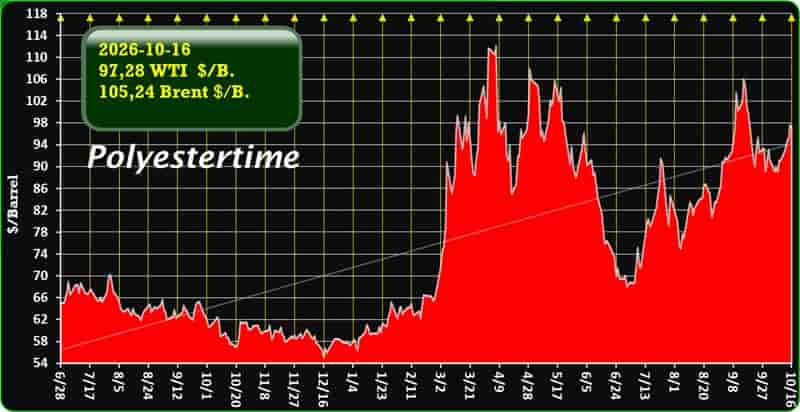
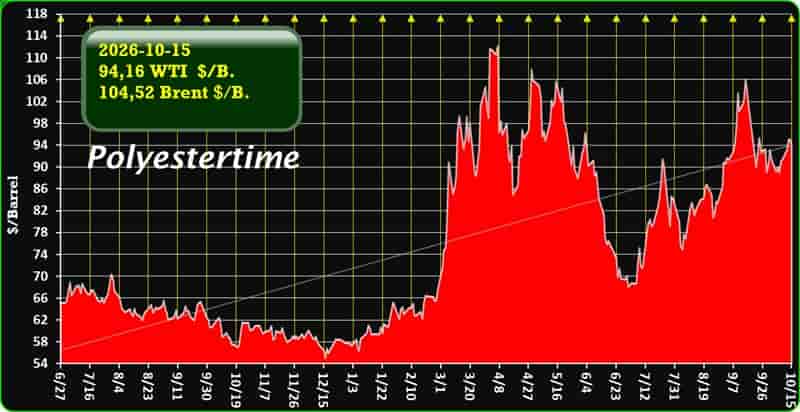
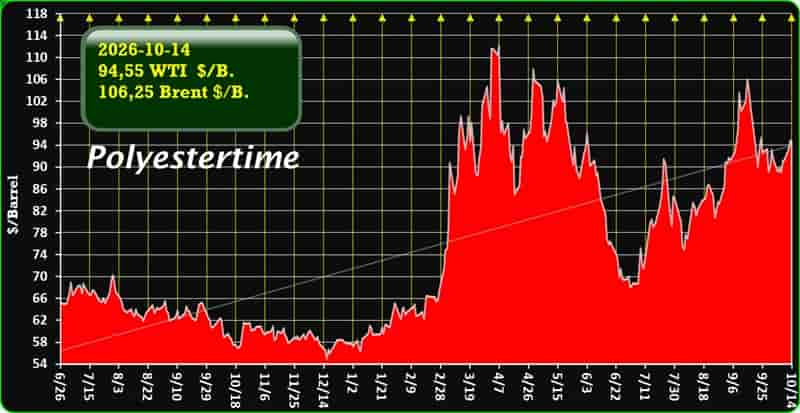
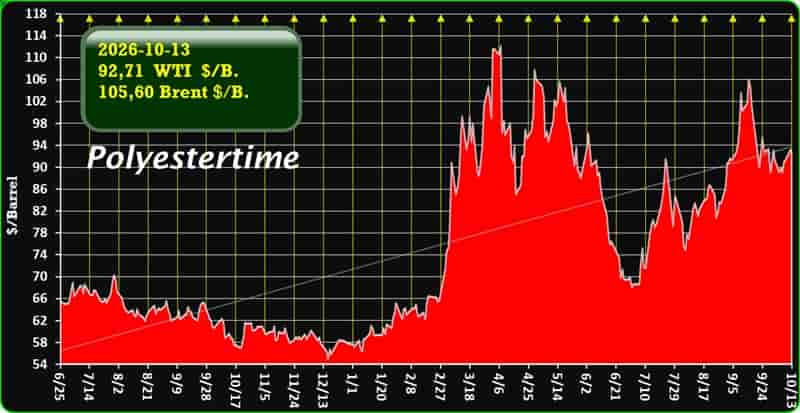
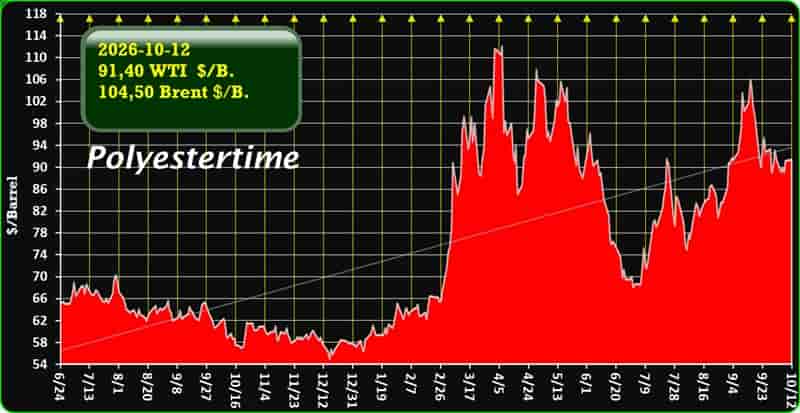
Oil price surge above $100 signals market anxiety as geopolitical tensions, supply risks, and investor uncertainty reshape global energy outlook in 2026
Oil price outlook April 13, 2026: volatility returns as geopolitics dominate markets
The oil price has entered a new phase of volatility, with Brent crude trading between $95–105 per barrel and WTI hovering around $100–110 per barrel as of April 13, 2026. Today’s sharp movements highlight how quickly market sentiment can shift when geopolitical risk intersects with already fragile supply-demand dynamics.
Recent developments—especially escalating tensions in the Middle East—have pushed oil markets back into a risk-driven environment, reversing earlier expectations of a supply glut and lower prices.
Current oil price snapshot
| Benchmark | Price Range (April 2026) | Recent Movement | Key Driver |
|---|---|---|---|
| Brent Crude | $95 – $105 | +7% to ~$102 | Middle East tensions |
| WTI Crude | $100 – $110 | +8% to ~$104–105 | Strong US demand + geopolitics |
Brent climbed above $100 per barrel following the announcement of a potential naval blockade in the Strait of Hormuz, while WTI also surged sharply, in some sessions even trading above Brent—a rare occurrence driven by strong demand for US crude.
Geopolitics: the dominant oil price driver
The primary catalyst behind the current oil price rally is geopolitical escalation involving the US and Iran. The breakdown of diplomatic talks and the announcement of a potential blockade of the Strait of Hormuz—a critical chokepoint for about 20% of global oil flows—has triggered immediate supply concerns.
Markets are pricing in a significant “risk premium,” with traders anticipating disruptions to shipping routes and possible retaliatory actions affecting regional energy infrastructure.
This situation mirrors scenarios highlighted by analysts suggesting that extreme geopolitical escalation—such as a prolonged blockade—could push the oil price toward $150 per barrel under worst-case conditions.
Supply and demand: from surplus to shock
At the start of 2026, the consensus outlook pointed toward oversupply, with forecasts suggesting a global surplus of several million barrels per day.
However, the current oil price trend shows how quickly fundamentals can shift:
- Supply risks: Disruptions in the Middle East override surplus expectations
- Shipping constraints: Reduced tanker flows tighten physical markets
- Strategic stockpiling: Countries may increase reserves amid uncertainty
OPEC+ policy remains a key balancing factor. The group had previously paused output increases to stabilize prices, but current conditions may force a reassessment depending on how long disruptions persist.
Investor sentiment: risk-off but oil bullish
Investor sentiment is currently mixed but trending toward caution:
- Energy markets: Bullish due to supply fears
- Equities: Under pressure from rising input costs
- Currencies: US dollar strengthening as a safe haven
Oil markets are now being driven less by traditional fundamentals and more by event risk. Traders are increasingly focused on headlines rather than inventory data or macroeconomic indicators.
At the same time, volatility is rising, with sharp intraday swings becoming more common as new geopolitical developments emerge.
Key factors shaping the oil price today
1. Geopolitical tensions
- US-Iran conflict escalation
- Strait of Hormuz disruption
- Risk of wider regional instability
2. OPEC+ strategy
- Potential intervention to stabilize markets
- Balancing price support vs. market share
3. Global demand
- Still moderate but stable
- Vulnerable to inflation and economic slowdown
4. Economic signals
- Rising energy costs feeding inflation
- Pressure on central banks and growth outlook
Oil price vs earlier 2026 expectations
| Factor | Early 2026 View | Current Reality |
|---|---|---|
| Supply balance | Oversupply expected | Supply shock risk |
| Price forecast | ~$60–70 average | $100+ spike |
| Market driver | Demand weakness | Geopolitics dominant |
| Volatility | Moderate | High |
Earlier forecasts underestimated the scale and persistence of geopolitical risk, which has added a $4–$10 per barrel premium even before the latest escalation.
Short-term outlook: where the oil price may go next
In the short term, the direction of the oil price will depend almost entirely on geopolitical developments:
- Bullish scenario ($110–$130+): Prolonged blockade or escalation
- Extreme scenario ($150): Major supply disruption or military conflict
- Bearish correction ($85–$95): Diplomatic breakthrough or easing tensions
Volatility is expected to remain elevated, with rapid price swings tied to real-time political developments rather than structural market fundamentals.
What this means for the global economy
A sustained high oil price has broad implications:
- Inflation pressure: Higher fuel and transport costs globally
- Economic slowdown risk: Reduced consumer spending
- Energy transition impact: Renewed interest in alternatives but also short-term reliance on fossil fuels
For energy markets, this environment reinforces a key reality: despite long-term trends toward decarbonization, oil remains highly sensitive to geopolitical shocks and continues to play a central role in global economic stability.
Final takeaway
The oil price on April 13, 2026 reflects a market dominated by uncertainty. While fundamentals initially pointed to oversupply, geopolitical tensions have rapidly reshaped the landscape.
In the near term, oil markets will remain headline-driven, with price direction hinging less on data and more on diplomacy, conflict, and strategic decisions at the highest levels.
Oil Price Volatility Intensifies Near $100 as Fragile Ceasefire, Supply Risks, and Investor Anxiety Keep Global Energy Markets on Edge
More…