Plastics Industry Crisis 7 Critical Risks Threatening Europe Supply Chain Stability
European Plastics Industry Crisis Intensifies
The European plastics industry crisis is escalating rapidly as energy costs and raw material prices continue to surge across the continent. Industry leaders are warning that without immediate intervention, the sector could face widespread production slowdowns, plant closures, and long-term structural damage.
The European Federation of Converters has issued a strong alert, emphasizing that the current economic pressure is no longer temporary but systemic. The combination of volatile polymer prices and rising energy costs is placing unprecedented strain on manufacturers.
Rising Costs Disrupt the Supply Chain
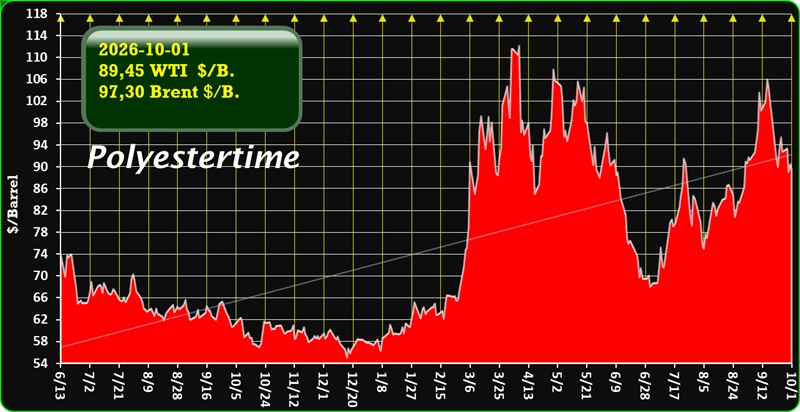
At the core of the European plastics industry crisis is a sharp increase in both raw material and energy expenses. Polymer prices have become highly unstable, while electricity and gas costs remain elevated, directly impacting production economics.
These cost increases are not isolated. They ripple through the entire supply chain, affecting industries that rely heavily on plastics processing. As a result, sectors such as healthcare, packaging, automotive, construction, and energy production are increasingly exposed to supply disruptions.
Manufacturers are facing a difficult choice: absorb rising costs and reduce margins or pass them on to customers, potentially weakening competitiveness.
Production Instability and Planning Challenges
Another major dimension of the European plastics industry crisis is the growing unpredictability in supply availability. Companies report difficulties in securing consistent material flows, making production planning more complex and less reliable.
This instability is compounded by rising logistics costs and ongoing geopolitical tensions, which further disrupt procurement and distribution networks.
For many processors, the lack of predictability translates into operational inefficiencies, delayed deliveries, and increased financial risk.
Shrinking Margins and Financial Pressure
The European plastics industry crisis is also characterized by severe margin compression. Many companies are operating with reduced profitability while still attempting to maintain production levels.
To secure essential materials, processors are often forced to accept higher prices, absorbing costs that cannot always be transferred downstream. This situation exposes businesses to significant financial risks, particularly small and medium-sized enterprises that lack strong capital buffers.
Over time, sustained financial pressure could lead to insolvencies or permanent exits from the market.
Risk of Shutdowns and Industry Contraction
One of the most alarming aspects of the European plastics industry crisis is the growing risk of plant shutdowns and production reductions. If current trends continue, some manufacturers may be forced to halt operations temporarily or permanently.
Such outcomes would not only impact individual companies but also weaken the broader industrial ecosystem. Reduced production capacity could lead to shortages, increased dependency on imports, and loss of industrial competitiveness within Europe.
The potential contraction of the sector poses a strategic risk for the region’s economic stability.
Impact on Strategic Sectors
The European plastics industry crisis extends far beyond the plastics sector itself. Plastics are a critical input for numerous industries, meaning disruptions can have cascading effects.
Healthcare systems rely on plastics for medical devices and packaging. The automotive industry depends on lightweight materials for efficiency and safety. Construction and energy sectors also require plastics for insulation, infrastructure, and renewable technologies.
Any instability in plastics supply could therefore hinder the functioning of these essential sectors, amplifying the overall economic impact.
Calls for Policy Intervention
In response to the European plastics industry crisis, industry representatives are urging policymakers to take immediate action. One of the key proposals is the introduction of an energy price cap to stabilize production costs.
Such measures were discussed at a recent EU Council meeting, reflecting growing recognition of the issue at the political level.
Additionally, there are calls for intensified diplomatic efforts to address geopolitical conflicts that contribute to market instability, particularly those affecting energy supply.
Without coordinated policy intervention, industry leaders warn that the situation could deteriorate further.
Scale and Importance of the Sector
The European plastics industry crisis must be understood in the context of the sector’s economic significance. The plastics processing and transformation industry in Europe includes approximately 50,000 companies.
It employs more than 1.6 million people and generates an annual turnover exceeding 300 billion euros. This makes it a cornerstone of European manufacturing and a key contributor to economic growth.
Any disruption to this sector therefore carries wide-reaching implications for employment, industrial output, and regional competitiveness.
Long-Term Implications for Europe
If unresolved, the European plastics industry crisis could accelerate structural changes within the industry. Companies may relocate production outside Europe in search of lower energy costs and more stable supply conditions.
This would result in a loss of industrial capacity, reduced innovation potential, and increased reliance on external suppliers.
Maintaining a competitive and resilient plastics sector is therefore essential for Europe’s long-term economic strategy.
Conclusion
The European plastics industry crisis represents a critical moment for the sector and the wider economy. Rising costs, supply instability, and financial pressure are converging to create a challenging environment for manufacturers.
Without timely intervention and coordinated action, the risks of shutdowns, reduced production, and market exits will continue to grow.
Addressing this crisis requires a combination of policy support, industry adaptation, and international cooperation to ensure the sustainability and competitiveness of Europe’s plastics industry in the years ahead.
More…