Europe Faces 3 Harsh Realities as Oil Prices Stay Elevated Post-War
Europe’s Energy Outlook Remains Uncertain Despite Possible End to Conflict
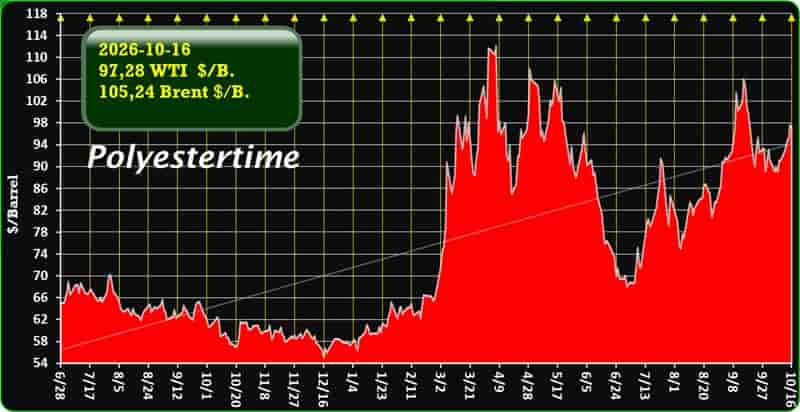
The trajectory of oil and gas prices Europe continues to worry policymakers, even as discussions around a potential end to the Iran conflict intensify. According to the European Union, the region should not expect a rapid normalization of energy markets, regardless of how quickly geopolitical tensions ease.
This warning reflects deeper structural issues within global energy systems, where supply chains, refining capacity, and market expectations are tightly interconnected. As a result, the volatility seen in oil and gas prices Europe is unlikely to fade in the short term.
EU Signals Long-Term Pressure on Oil and Gas Prices Europe
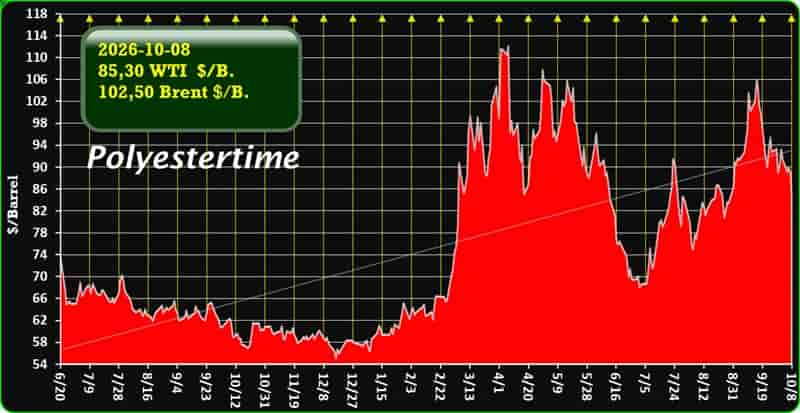
European Energy Commissioner Dan Jørgensen made it clear that the current crisis goes beyond temporary disruption. Even in a best-case scenario where peace is restored immediately, oil and gas prices Europe would remain elevated for the foreseeable future.
This assessment highlights a critical reality: energy markets react not only to active conflicts but also to lingering uncertainty. Traders, suppliers, and governments adjust their strategies based on risk perception, which tends to outlast the conflict itself. Consequently, oil and gas prices Europe are expected to stay under pressure as markets stabilize slowly.
No Immediate Shortages, Yet Growing Supply Constraints
Despite the surge in oil and gas prices Europe, the EU has not reported immediate shortages of crude oil or natural gas. However, the situation is far from stable. Specific segments of the energy supply chain are already showing signs of strain.
Diesel and jet fuel supplies are under particular pressure, reflecting bottlenecks in refining capacity and distribution. At the same time, global gas markets are tightening, driven by increased demand and limited availability. These dynamics are directly contributing to higher electricity prices across the continent.
The interplay between these factors reinforces the upward trend in oil and gas prices Europe, making it difficult for markets to correct quickly.
Electricity Costs Rise as Gas Markets Tighten
One of the most visible consequences of rising oil and gas prices Europe is the surge in electricity costs. Since natural gas plays a central role in power generation across many EU countries, any disruption or price increase in gas markets quickly translates into higher energy bills.
This creates a cascading effect across the economy. Households face increased living costs, while businesses struggle with higher operational expenses. In turn, this can slow economic growth and reduce competitiveness, particularly for energy-intensive industries.
The persistence of high oil and gas prices Europe is therefore not just an energy issue, but a broader economic challenge.
A Sharp Increase in Europe’s Energy Import Bill
Since the beginning of the Iran conflict, the financial impact of rising oil and gas prices Europe has been significant. The EU’s total expenditure on imported fossil fuels has increased dramatically, adding billions of euros to the region’s energy bill.
This surge reflects both higher prices and sustained demand. Even as Europe continues efforts to diversify energy sources and accelerate the transition to renewables, fossil fuels remain a critical component of the energy mix.
As a result, oil and gas prices Europe continue to exert pressure on public finances and trade balances across member states.
Coordinated EU Response Becomes Essential
In response to these challenges, the European Commission is preparing a set of measures aimed at mitigating the impact of rising oil and gas prices Europe on consumers and businesses.
A key priority is ensuring coordination among EU member states. Fragmented national responses could send mixed signals to markets, potentially exacerbating volatility and undermining collective efforts.
By aligning policies and strategies, the EU aims to stabilize expectations and manage the economic fallout more effectively. This coordinated approach is seen as essential to navigating the ongoing uncertainty surrounding oil and gas prices Europe.
Structural Challenges Delay Market Normalization
The persistence of high oil and gas prices Europe is rooted in structural factors that go beyond the current conflict. These include limited spare capacity in global energy markets, logistical constraints, and the slow pace of infrastructure adaptation.
Additionally, the energy transition itself introduces complexity. As Europe reduces reliance on traditional fossil fuels, it must simultaneously ensure energy security and affordability. This balancing act can create short-term volatility, further delaying the normalization of oil and gas prices Europe.
What This Means for Households and Businesses
For European households, the continued rise in oil and gas prices Europe translates into sustained financial pressure. Energy bills are likely to remain high, affecting disposable income and overall quality of life.
Businesses, particularly in manufacturing and transport sectors, face similar challenges. Higher energy costs can erode margins, disrupt planning, and force difficult decisions around pricing and investment.
Understanding the trajectory of oil and gas prices Europe is therefore critical for both consumers and companies as they adapt to a more volatile energy landscape.
Outlook: No Quick Return to Pre-Crisis Levels
The EU’s message is clear: even if geopolitical tensions ease rapidly, the normalization of oil and gas prices Europe will take time. Market dynamics, supply constraints, and structural changes all contribute to a prolonged period of elevated prices.
This reality underscores the importance of resilience, diversification, and strategic planning. As Europe navigates this complex environment, the evolution of oil and gas prices Europe will remain a key indicator of both economic stability and energy security.
More…