Iran War Oil Prices: What Comes Next for Brent and WTI?
Iran War Oil Prices: What Comes Next for Brent and WTI?
Updated: 28 July 2026
Oil prices are retreating as the United States and Iran pause direct attacks and mediators attempt to create a diplomatic route out of the conflict. However, the market remains highly exposed to developments in the Strait of Hormuz, regional drone attacks and the possibility that military operations could resume.
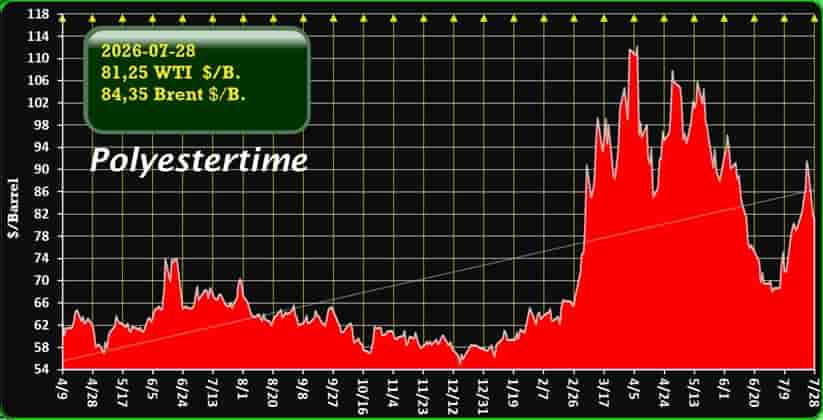
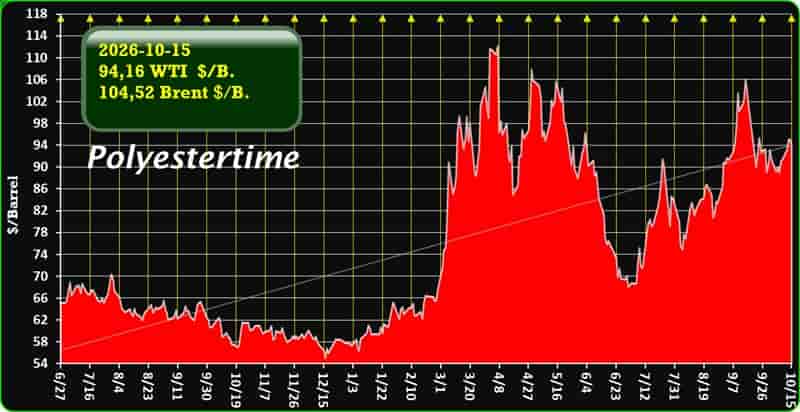
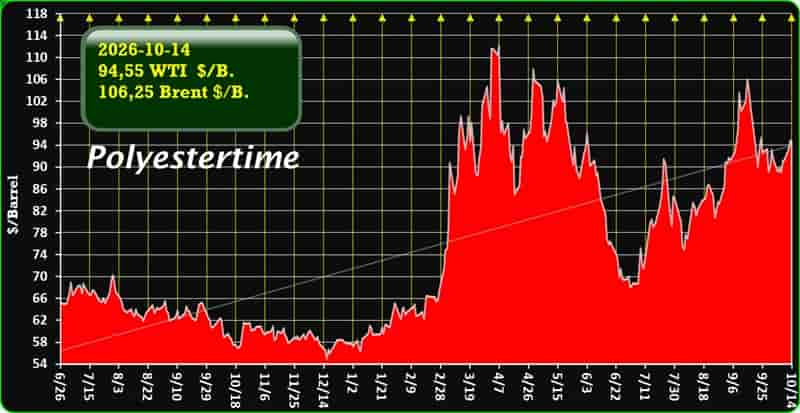
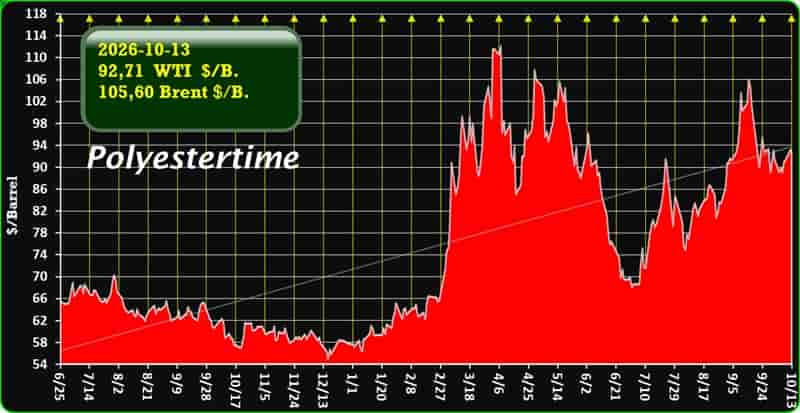
Recent working levels of approximately $84 per barrel for Brent crude and $81 for West Texas Intermediate, or WTI, illustrate how quickly the geopolitical premium can change. The latest Reuters market update on 28 July placed Brent somewhat higher, at approximately $87.82, while WTI traded near $81.95. This difference underlines the importance of identifying the time, contract and data source behind any oil-price quotation.
Key points
-
Oil prices have fallen as the United States and Iran temporarily pause direct attacks.
-
The Strait of Hormuz remains the main source of risk for the energy market.
-
Diplomatic progress could push prices lower, but the current pause is not a permanent settlement.
-
Renewed attacks on tankers, oil installations or regional US bases could rapidly restore a substantial risk premium.
-
Brent remains more exposed than WTI to disruptions affecting international maritime trade.
Why oil prices are falling
The immediate decline in crude prices reflects cautious optimism that military escalation may be slowing.
The United States suspended its latest campaign of strikes, while Iran also refrained from launching direct retaliatory attacks for several days. President Donald Trump said Washington was engaged in productive talks, although Iranian officials maintained that contacts were being conducted indirectly through mediators rather than through direct negotiations.
This diplomatic opening triggered a sharp market correction. On Monday, Brent futures fell by $8.42 to settle at $88.36 per barrel, while WTI dropped by $6.70 to $82.61. Prices weakened again in early Tuesday trading as investors continued to assess the prospects for an agreement.
The sell-off does not mean the conflict has been resolved. It primarily shows that oil traders are removing part of the immediate war premium that had been added when further strikes and shipping disruptions appeared likely.
The Strait of Hormuz remains the decisive factor
The most important issue for oil markets is not simply whether the United States and Iran exchange strikes. It is whether commercial tankers can move safely and predictably through the Strait of Hormuz.
Before the conflict, approximately 20 million barrels per day of crude oil and petroleum products typically passed through the strait. That volume was equivalent to around one-fifth of global oil consumption, according to the International Energy Agency.
The disruption of this traffic created what the IEA described as the largest supply interruption in the history of the global oil market. Although Gulf exports recovered during periods of reduced tension, they remained below pre-war levels.
Iran and Oman are now discussing mechanisms for managing vessel traffic through the waterway. Regional mediators have reported progress, but Iran has continued to assert control over transit arrangements and the strait has not returned to normal unrestricted operation.
Until insurers, shipping companies and tanker operators are confident that vessels can pass without attack, seizure, unexpected fees or military interference, oil prices are likely to retain a geopolitical premium.
Why Brent and WTI are moving differently
Brent is the main international crude-oil benchmark and is closely linked to seaborne supplies. It is therefore particularly sensitive to events affecting tanker routes, Gulf exports and international shipping insurance.
WTI is more closely connected to the North American market and the logistics surrounding Cushing, Oklahoma. It is still influenced by global events, but it can trade at a discount to Brent when the main disruption affects internationally transported crude.
A wider Brent-WTI spread can therefore signal that the market is assigning more risk to internationally traded oil than to land-based US supplies.
The spread must not be interpreted in isolation. Refinery demand, inventories, pipeline capacity, product shortages and contract expiry dates can also influence the relationship between the two benchmarks.
Diplomacy is improving, but the ceasefire remains fragile
The current diplomatic opening is significant, but it should not yet be described as a durable peace agreement.
Mediators are trying to establish a workable system for commercial traffic through Hormuz and revive negotiations after an earlier interim arrangement broke down. The pause follows nearly two weeks of intensified strikes and counterstrikes.
Iran says that mediators may transmit messages from Washington but denies that formal direct negotiations are taking place. The United States, meanwhile, has maintained military assets in the region and has not ruled out further action.
Israeli Prime Minister Benjamin Netanyahu’s discussions in Washington add another layer of uncertainty. Israel remains directly concerned about Iran’s nuclear and missile capabilities, while the Trump administration is also under economic and political pressure to reduce energy prices and avoid a prolonged war.
The result is a market caught between two competing scenarios: a gradual diplomatic normalisation and a renewed military escalation.
Regional attacks continue to threaten energy infrastructure
Even without direct US-Iran strikes, attacks by aligned armed groups could destabilise the market.
Saudi Arabia has reported drone attacks aimed at petroleum facilities, while other incidents have affected countries hosting US forces. These events show that a pause between Washington and Tehran does not automatically eliminate the risk to regional energy infrastructure.
An attack that materially reduces Saudi, Emirati or other Gulf production could affect prices even if the Strait of Hormuz remains partially open. Markets would also react sharply to damage involving export terminals, refineries, pipelines or loading facilities.
The most important distinction is between an unsuccessful attack, which may produce only a brief price reaction, and confirmed physical damage that removes supply from the market.
Bullish scenario: oil prices rise again
Brent and WTI could rise rapidly if:
-
US or Iranian forces resume direct attacks;
-
tanker traffic through Hormuz falls further;
-
a commercial vessel is seized, damaged or sunk;
-
Saudi or Emirati oil infrastructure suffers significant damage;
-
negotiations over maritime transit collapse;
-
shipping insurers increase premiums or withdraw cover;
-
producers are forced to shut in additional output.
Under these conditions, Brent would probably react more strongly than WTI because of its greater exposure to global maritime supply.
A temporary move above recent highs would not be surprising in a serious escalation. Sustained prices at much higher levels, however, would require a persistent loss of physical supply rather than threatening statements alone.
Bearish scenario: diplomacy pushes prices lower
Oil prices could decline if the pause develops into a formal ceasefire and tanker movements recover.
The US Energy Information Administration previously forecast that improved shipping conditions and the restoration of production could bring more supply back to the market. Its July outlook projected an average Brent price of $74 per barrel during the third quarter of 2026, although that forecast was published before the latest renewed escalation and is therefore highly dependent on Hormuz remaining accessible.
The International Energy Agency has also indicated that the global market could move towards surplus later in the year. That projection assumes a gradual recovery in tanker traffic and the restart of interrupted Middle Eastern production.
A verified maritime agreement, lower insurance costs and several weeks of uninterrupted tanker traffic could therefore remove more of the war premium from Brent and WTI.
What investors and businesses should monitor
Daily political statements can move prices, but physical-market indicators are more useful for assessing whether a change will last.
The most important indicators include:
-
confirmed tanker movements through the Strait of Hormuz;
-
Gulf crude export volumes;
-
shipping and war-risk insurance premiums;
-
reported attacks on vessels and energy facilities;
-
production shutdowns and field restarts;
-
changes in global commercial inventories;
-
official US, Iranian and Omani statements;
-
new sanctions or changes to Iran’s oil-export restrictions.
Businesses exposed to fuel, transport or petrochemical costs should avoid basing decisions on a single intraday quotation. The present market can move several dollars per barrel in response to military reports, diplomatic statements or shipping data.
Outlook for Brent and WTI
The oil market is currently pricing a reduction in immediate military danger, not the end of the conflict.
Prices near the mid-to-high $80s for Brent and the low $80s for WTI suggest that traders see some prospect of diplomatic progress while continuing to account for the possibility of disrupted Gulf supplies.
The direction of the next major move will probably depend on physical shipping conditions. A sustained reopening of the Strait of Hormuz would weaken the geopolitical premium. Renewed attacks or a breakdown in talks would likely send it higher again.
For now, volatility remains the clearest feature of the market. Diplomacy has created an opportunity for prices to stabilise, but the security of tanker traffic—and not political rhetoric alone—will determine whether that stability lasts. Iran war oil prices
Frequently asked questions
Why are oil prices falling during the US-Iran conflict?
Prices are falling because both sides have paused direct attacks and mediators are attempting to restore negotiations. Traders have consequently removed part of the immediate geopolitical risk premium.
Could oil prices rise above $100 again?
Yes, but a sustained move above $100 would most likely require a major and continuing disruption to physical supplies, such as a severe reduction in Hormuz traffic or significant damage to Gulf production infrastructure.
Why is the Strait of Hormuz so important?
Before the conflict, roughly 20 million barrels per day of oil and petroleum products typically moved through the strait. Alternative routes cannot fully replace this capacity.
Is Brent more exposed to the conflict than WTI?
Generally, yes. Brent represents internationally traded seaborne crude and is particularly sensitive to shipping disruptions. WTI is also affected, but its North American supply base can limit its relative exposure.
Are the United States and Iran negotiating directly?
Iran has denied that formal direct talks are taking place. Officials have acknowledged that mediators, including Oman, may exchange messages between the two sides.
What would push oil prices lower?
A durable ceasefire, safe tanker passage, lower insurance costs, restored Gulf output and rising global inventories would all place downward pressure on crude prices.
Editorial note
Oil quotations change continuously. Prices in this article are reference levels rather than trading recommendations. Readers should check a real-time regulated market-data provider before making financial decisions.
US–Iran War and Oil Prices: Brent and WTI Face Extreme Volatility
More…