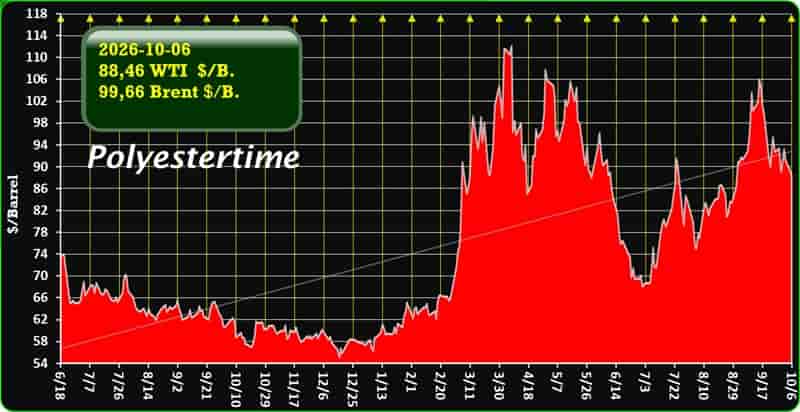
US–Iran War and Oil Prices: Brent and WTI Face Extreme Volatility
US Iran oil prices
US–Iran War and Oil Prices: What Comes Next for Brent and WTI?
Last updated: 27 July 2026
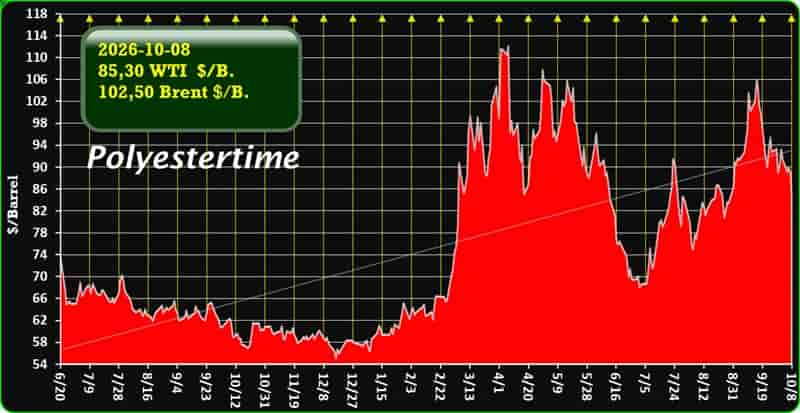
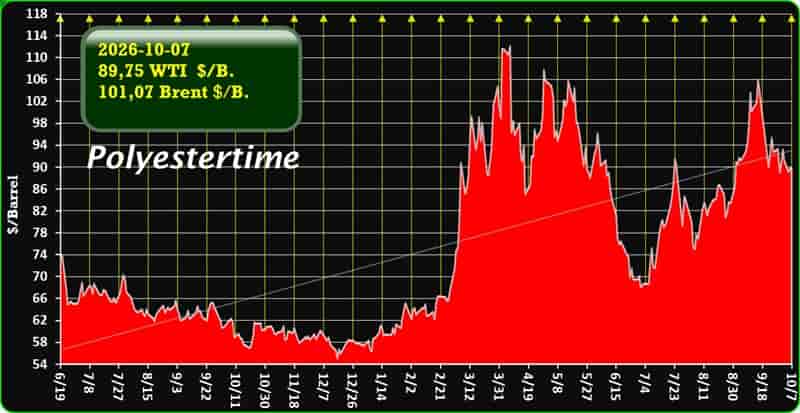
Market-price note: This analysis takes into account a referenced market snapshot of approximately $86 per barrel for Brent crude and $83 per barrel for West Texas Intermediate. Oil prices trade continuously and may differ according to the contract, market venue and publication time.
Key takeaways
Brent and WTI remain elevated and unusually volatile because traders are attaching a geopolitical risk premium to crude oil.
The immediate direction of prices depends heavily on whether the pause in US and Iranian attacks develops into a durable agreement.
The Strait of Hormuz remains the most important physical risk to the market because a substantial share of global oil and petroleum-product supplies normally moves through this waterway.
A temporary halt in attacks can reduce oil prices rapidly, but normal shipping and production cannot necessarily resume at the same speed.
Consumers and businesses may continue to face higher fuel, freight and production costs even when crude prices fall.
Oil prices react to a pause in US–Iran attacks
US Iran oil prices moved sharply lower on 27 July after the United States and Iran paused attacks over the weekend, raising hopes that diplomacy could prevent another escalation.
Reuters reported that Brent and WTI fell by approximately 5% in early trading. Its initial market snapshot placed Brent at $91.20 per barrel and WTI at $84.40 per barrel. Associated Press reporting also showed Brent above $92 and WTI near $84 during the volatile session. These figures illustrate why any quoted oil price must include a timestamp.
The lower snapshot considered in this article—Brent near $86 and WTI near $83—would indicate that traders had removed an additional portion of the geopolitical risk premium. It would not, however, mean that the underlying supply risks had disappeared.
Oil markets can move by several dollars within hours when military developments, diplomatic statements or shipping reports change expectations about future supply.
Is the US–Iran war ending?
The latest pause in attacks is a sign of de-escalation, but it should not yet be described as a definitive end to the conflict.
Associated Press reported that both countries had refrained from further attacks for a second consecutive day while diplomatic efforts continued. Oman and other intermediaries were involved in attempts to preserve or restore an interim ceasefire framework. Major disagreements, including Iran’s nuclear programme and the conditions governing passage through the Strait of Hormuz, remained unresolved.
The distinction matters for oil markets. A temporary military pause may reduce the probability of an immediate supply shock, causing futures prices to fall. A lasting agreement would have a much larger effect because it could give shipping companies, insurers, producers and refiners enough confidence to restore operations.
Until those conditions are met, the market is likely to remain vulnerable to sudden reversals. US Iran oil prices
Why the Strait of Hormuz matters
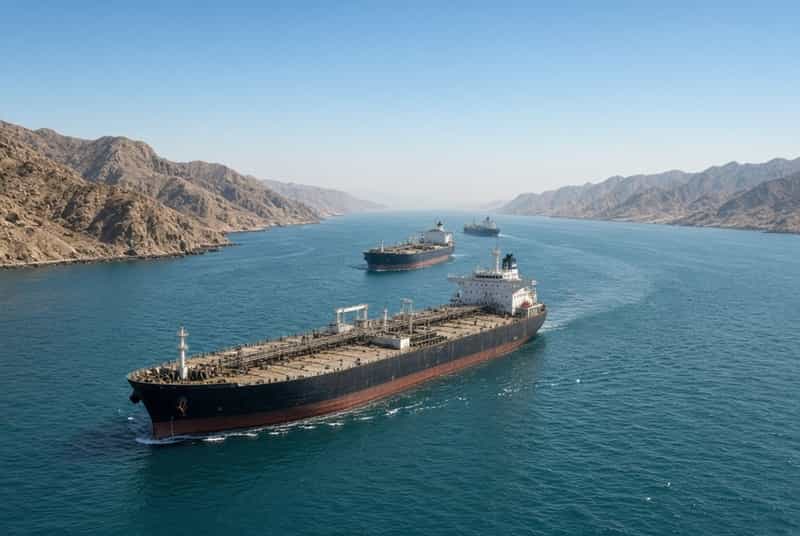
The Strait of Hormuz connects the Persian Gulf with the Gulf of Oman and the wider global market. It is the principal export route for several major oil and gas producers.
According to the International Energy Agency, approximately 15 million barrels of crude oil and 5 million barrels of petroleum products normally pass through the strait each day. Together, those flows are equivalent to roughly 20% of global oil consumption.
This concentration makes the waterway a critical oil-market chokepoint. Even when production facilities remain operational, oil cannot reach customers normally when tankers are unable or unwilling to sail.
Risks affecting transit include:
- Military attacks on commercial vessels
- Mines or unexploded weapons in shipping lanes
- Higher maritime-insurance premiums
- Crew-safety concerns
- GPS interference and vessel-tracking problems
- Delays in restoring port, pipeline and refinery operations
The IEA has warned that vessel-tracking data from the region can also be affected by GPS jamming, spoofing and ships switching off identification systems. Reported traffic figures should therefore be interpreted cautiously.
Shipping may recover more slowly than oil prices
Financial markets respond immediately to headlines, but physical supply chains require more time to recover.
Reuters reported that fewer than 10 commodity vessels per day passed through the Strait of Hormuz during the weekend preceding 27 July. Analysts cited in the report warned that shipowners would probably require stronger evidence of safety before sending more vessels into the area.
The IEA’s July Oil Market Report showed that Gulf oil exports had recovered from their lowest levels but remained below their pre-war average. It also found that refined-product exports were recovering more slowly than crude shipments because several export refineries had not fully restarted.
This difference helps explain why petrol, diesel, aviation fuel and shipping costs can remain high even after benchmark crude prices decline.
Why Brent and WTI are trading at different prices
Brent is the principal international oil benchmark and reflects conditions affecting supplies traded across the Atlantic Basin and global maritime market.
WTI is the main US benchmark and is more directly connected to American production, storage and pipeline conditions.
Brent often trades above WTI because it is more exposed to international shipping risks. During a Middle East crisis, that difference can widen if traders believe seaborne supplies are more vulnerable than inland US supplies.
A Brent price around $86 and a WTI price around $83 would represent a spread of approximately $3 per barrel. That is consistent with a market that still recognises international supply risk but is not pricing the most severe disruption scenario.
Three possible scenarios for oil prices
1. Diplomacy holds and shipping improves
This is the most bearish scenario for oil prices.
A credible ceasefire, clearer transit rules and a sustained increase in tanker traffic could remove more of the geopolitical premium. Brent and WTI could then move closer to levels justified by global supply, demand and inventories.
The IEA expects the oil market to move towards a surplus later in the year, but its forecast depends on the gradual recovery of tanker traffic and Middle Eastern production.
2. The pause continues without a final agreement
Under this scenario, Brent and WTI could remain in broad and volatile ranges.
Prices may fall when negotiations appear constructive and rebound when talks stall. Shipping companies could restore limited operations while continuing to demand higher insurance premiums and security guarantees.
This outcome would keep a smaller but persistent geopolitical premium in crude prices.
3. Fighting resumes or shipping is disrupted again
This is the most bullish and economically damaging scenario.
Renewed attacks on vessels, oil terminals, refineries or export infrastructure could quickly push Brent and WTI higher. The effect would be greater if disruption affected both the Strait of Hormuz and the Bab el-Mandeb route near the Red Sea.
Recent threats and attacks affecting Saudi shipping have demonstrated that the risk is not confined to one waterway. Reuters reported that the conflict had already spread into concerns about Red Sea exports, contributing to Brent’s earlier move towards $100 per barrel.
What higher oil prices mean for the economy
An oil shock affects more than motorists.
Higher crude and refined-product prices can raise the cost of:
- Petrol and diesel
- Airline tickets
- Road freight and maritime transport
- Food production and refrigeration
- Plastics, chemicals and packaging
- Manufacturing and construction
- Heating and electricity in oil-dependent markets
Businesses may initially absorb some of these costs. If high prices persist, they are more likely to pass them to consumers.
Associated Press reported that higher fuel and transport expenses were already affecting groceries, retail supply chains, airline operations and back-to-school products in the United States.
This creates an inflation risk. Central banks may find it harder to reduce interest rates when energy costs are pushing consumer prices higher, even when the original shock is geopolitical rather than demand-driven.
What oil traders and businesses should monitor
The most useful signals are physical and diplomatic, rather than individual political statements.
Key indicators include:
- The number of commercial and energy vessels passing through the Strait of Hormuz
- Maritime-insurance premiums and security warnings
- Progress in talks mediated by Oman or other governments
- US and Iranian military activity
- Attacks affecting the Red Sea and Bab el-Mandeb
- Gulf oil production and export volumes
- Refinery restarts and petroleum-product availability
- Government releases from strategic oil reserves
- Brent–WTI price spreads
- Futures-market structure and inventory data
A sustained improvement across several of these indicators would be more meaningful than a single day without attacks.
Oil-price outlook
The immediate price decline reflects relief rather than certainty.
At approximately $86 for Brent and $83 for WTI in the referenced snapshot, the market would still be pricing a meaningful level of geopolitical and supply-chain risk. These prices are below the peaks recorded during the conflict, but they remain vulnerable to renewed fighting or evidence that shipping is not recovering.
The central question is no longer simply whether the United States and Iran are attacking each other on a particular day. It is whether diplomacy can produce operating conditions that allow tankers, refineries and producers to return safely and consistently.
Until that happens, oil prices are likely to remain volatile, with sudden movements driven by military reports, negotiations and vessel traffic.
Frequently asked questions
Why did oil prices fall after the pause in attacks?
Prices fell because traders judged that an immediate disruption to Middle Eastern oil supplies had become less likely. This reduced the geopolitical risk premium included in Brent and WTI prices.
Could Brent fall below $86?
It could if diplomacy holds, tanker traffic improves and global supply exceeds demand. Oil prices are also influenced by inventories, economic growth, OPEC+ policy, exchange rates and speculative positioning.
Could oil return to $100 per barrel?
Yes. Renewed military escalation or a major interruption to the Strait of Hormuz could rapidly restore a larger risk premium. Brent had already moved towards or above $100 during previous phases of the conflict.
Has the Strait of Hormuz reopened normally?
No. Traffic has shown periods of recovery, but verified reports indicate that movements remain below normal levels and that shipowners continue to face substantial security risks.
What is the difference between Brent and WTI?
Brent is the main international benchmark for seaborne crude oil. WTI is the principal US benchmark. Differences in geography, transport, storage and crude quality can cause the two prices to diverge.
Conclusion
US Iran oil prices will continue to depend on both diplomacy and the physical movement of energy supplies.
The current pause in attacks has reduced fears of an immediate escalation, but it has not resolved the conflict or restored normal shipping. Brent near $86 and WTI near $83 would indicate that some of the war premium has been removed while the market continues to recognise significant risk.
A lasting decline in oil prices will require more than diplomatic optimism. It will require a durable agreement, safer maritime routes and measurable improvements in crude and petroleum-product flows.
Editorial disclaimer: This article provides general market analysis and does not constitute investment, trading or financial advice.
US–Iran War Pushes Oil Prices Higher as Supply Risks Intensify
More…