MOPET Expands PET Recycling in Belgium
PET recycling Belgium
MOPET Expands PET Recycling in Belgium With New Neufchâteau Plant
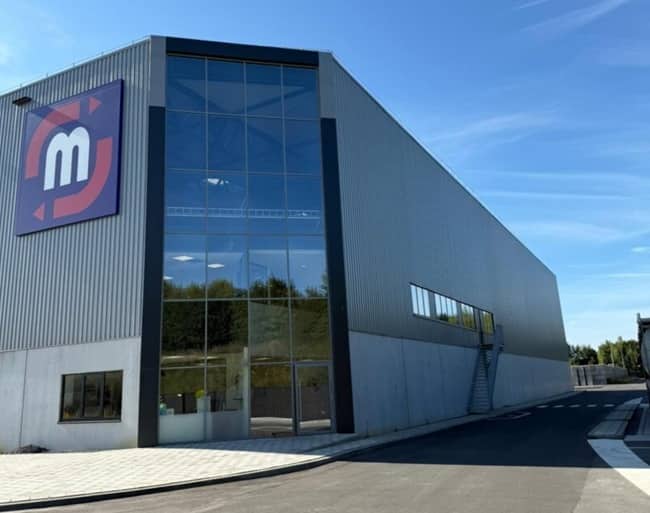
Morssinkhof Rymoplast has expanded its PET recycling operations in Belgium through the opening of MOPET Belgium, a new facility in Neufchâteau designed to process bottles and trays into recycled material suitable for new food packaging.
The plant adds significant industrial capacity to Belgium’s plastics recycling infrastructure. It is designed to process as much as 40,000 tonnes of PET material annually, including transparent bottles, opaque bottles and PET trays.
A new stage for PET recycling in Belgium
Traditional bottle-to-bottle recycling is already well established in several European markets. MOPET Belgium extends that model by targeting packaging formats that are generally more difficult to recycle at scale.
These include opaque PET bottles, such as certain milk bottles, and PET trays used for food packaging. Their colours, multilayer structures, labels and other design characteristics can make sorting and recycling more technically demanding than the processing of clear beverage bottles.
According to Fost Plus, MOPET is the first Belgian facility intended to recycle both PET trays and opaque PET bottles into food-grade recycled material on this industrial scale.
From bottles and trays to new packaging
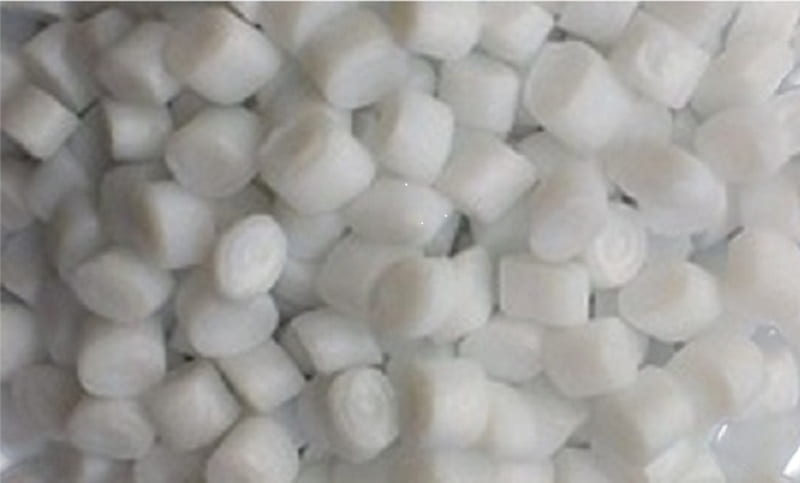
The facility will produce recycled PET, commonly known as rPET, that can be used as a raw material for new food-contact packaging.
Its planned material streams include approximately 17,500 tonnes of transparent and opaque PET bottles and 10,500 tonnes of PET trays annually. The wider facility has a stated maximum processing capacity of 40,000 tonnes per year.
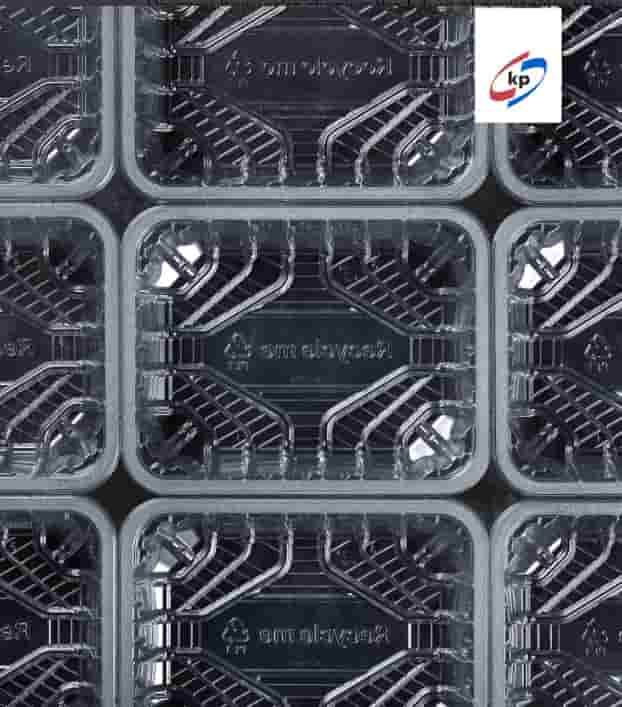
The ability to convert used trays into material for new trays is particularly important. Tray-to-tray recycling can reduce dependence on virgin plastic while creating a more direct circular route for packaging collected from households.
MOPET Belgium also expands the company’s established bottle-to-bottle recycling expertise by introducing additional food-grade applications for opaque PET.
A €68.5 million industrial investment
Morssinkhof Rymoplast invested €68.5 million in the first phase of the project, with support from the regional development organisation IDELUX and cooperation from Fost Plus.
The facility is expected to create around 90 jobs during its initial stage. Specialist industry reporting indicates that employment could rise to approximately 125 positions when the plant reaches full operating capacity.
This employment impact gives the project an economic dimension alongside its environmental purpose. It also strengthens the province of Luxembourg’s role in Belgium’s recycling and circular-materials sector.
Why PET trays remain a recycling challenge
PET bottles benefit from mature collection systems, established sorting technologies and a relatively strong market for recycled material.
PET trays can be more difficult to return to equivalent packaging applications. Differences in colour, structure and manufacturing specifications may affect the quality and consistency of the recovered polymer.
Developing a stable tray-to-tray recycling system therefore requires more than processing equipment. It depends on effective household collection, accurate sorting, packaging design, reliable material volumes and demand from manufacturers for recycled content.
Belgium’s PMD collection system provides a source of household PET packaging that can support this type of local recycling infrastructure. Fost Plus has said that the project will help keep collected material within Belgium’s packaging economy. PET recycling Belgium
Cooperation across the recycling value chain
MOPET Belgium illustrates how circular packaging systems depend on collaboration between several participants.
Waste-management organisations must collect suitable material. Sorting centres must separate it accurately. Recyclers must produce material that meets demanding technical and food-safety requirements. Packaging manufacturers must then integrate the recycled polymer into new products.
Regional authorities, investors and industrial partners also play an important role in bringing large recycling projects into operation.
For MOPET, the cooperation between Morssinkhof Rymoplast, IDELUX and Fost Plus provided the industrial, regional and collection-chain foundations needed to develop the facility.
Supporting a more circular European packaging market
The opening of MOPET Belgium comes as European packaging producers face increasing pressure to improve recyclability and use more recycled content.
Facilities capable of producing consistent food-grade rPET can support this transition by providing manufacturers with a local alternative to virgin fossil-based material.
The plant will not solve every obstacle associated with PET packaging. Collection quality, contamination, packaging design and demand for recycled polymers will continue to influence the effectiveness of the system.
Nevertheless, its ability to process bottles and trays represents an important expansion of PET recycling in Belgium. By combining bottle-to-bottle, tray-to-tray and opaque-bottle recycling, MOPET Belgium creates a broader platform for keeping valuable packaging materials in circulation.
Key facts about MOPET Belgium
Location: Neufchâteau, Belgium
Operator: Morssinkhof Rymoplast
Maximum annual capacity: 40,000 tonnes of PET
Principal inputs: Transparent PET bottles, opaque PET bottles and PET trays
Principal output: Food-grade recycled PET for new packaging
First-phase investment: €68.5 million
Initial employment: Approximately 90 jobs
Industrial partners: IDELUX and Fost Plus
Boretech and ECC Launch Major PET Tray Recycling Project in Egypt
More…