Navigating the Flawed UK Plastic Packaging Tax Overhaul: Mandatory Certification Imperative
Navigating the Flawed UK Plastic Packaging Tax Overhaul: Mandatory Certification Imperative
Introduction to the UK Plastic Packaging Tax Framework
The United Kingdom’s Plastic Packaging Tax (PPT) officially came into effect on April 1, 2022, designed with a clear policy objective: to encourage manufacturers and importers to incorporate recycled plastic into packaging components and to drive robust demand for secondary raw materials. Operating as part of a wider suite of environmental reforms—including Extended Producer Responsibility (EPR), Simpler Recycling initiatives, and Deposit Return Schemes—the tax aims to accelerate the transition toward a circular economy while bolstering domestic and international recycling infrastructure.
Under current regulations, commercial enterprises that manufacture or import at least 10 tonnes of finished plastic packaging components into the UK within any 12-month period are legally required to register for PPT. The tax is charged on plastic packaging containing less than 30% recycled plastic, currently set at a standard rate of £228.82 per tonne. Conversely, packaging components containing 30% or more recycled plastic are exempt, provided that businesses hold sufficient, verifiable evidence to substantiate their claims. plastic packaging tax
However, since the implementation of the tax, industry stakeholders have continually raised serious concerns regarding evidential requirements, supply chain transparency, and the validity of recycled content claims—particularly across complex international import channels. In response to these mounting compliance challenges, the government launched a targeted consultation on May 18, 2026, to evaluate the prevalence of fraudulent or unsupported claims and assess potential regulatory remedies. plastic packaging tax
Overview of the 2026 Consultation and Government Response
The 2026 consultation sought comprehensive industry feedback on introducing a mandatory certification requirement to verify the use of mechanically recycled plastic packaging components for PPT exemption purposes. Specifically, policymakers asked whether mandatory independent third-party verification would serve as an effective, proportionate mechanism to strengthen regulatory compliance, eliminate fraud, and establish a level playing field for compliant businesses.
Consultation Scope and Stakeholder Engagement
During the consultation period, Her Majesty’s Revenue and Customs (HMRC) officials engaged extensively with industry representatives, trade associations, and professional bodies. In total, the consultation gathered 116 formal responses from a diverse cross-section of the packaging supply chain:
-
26 responses from trade bodies and business representative organizations
-
83 responses from commercial businesses across manufacturing and retail
-
1 response from a non-governmental organization (NGO)
-
6 responses from other stakeholders, including independent experts and private individuals
Following a rigorous review of these submissions, the government announced its intention to introduce mandatory certification for mechanically recycled plastic packaging. Designed to address widespread industry anxiety surrounding unsupported and fraudulent claims, the new framework will standardize evidence requirements and mandate independent third-party verification for both domestic and imported packaging components. plastic packaging tax
Implementation Timeline and Market Readiness
To ensure businesses have adequate time to adapt their operational workflows, the mandatory certification requirement will be implemented effective April 1, 2030. This extended lead-in time is intended to give the supply chain sufficient breathing room to develop detailed certification protocols, minimize unnecessary administrative costs, and expand independent auditing capacity globally. Furthermore, the government has committed to revisiting market readiness closer to the implementation date to guarantee a smooth, orderly transition.
Mechanical Versus Chemical Recycling: Industry Realities
A central theme emerging from consultation responses is the heavy reliance on mechanical recycling across the packaging sector. When asked which recycling methods businesses depend on to meet the 30% threshold, a decisive majority of respondents indicated they rely exclusively or primarily on mechanical recycling. plastic packaging tax
Dominance of Mechanical Recycling
Mechanical recycling remains the most commercially established and widely available route, particularly for standard polymers such as:
-
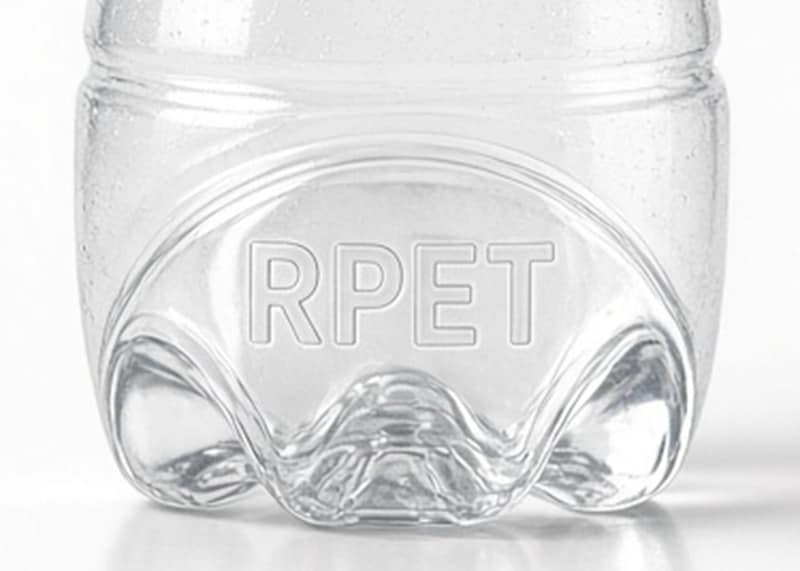
Polyethylene terephthalate (PET) and recycled rPET packaging (widely used in rigid bottles and thermoformed trays)
-
High-density polyethylene (HDPE)
-
Polypropylene (PP)
-
Low-density polyethylene (LDPE) (utilized in shrink films, stretch wrap, and pallet covers)
In contrast, chemical recycling is currently restricted to niche, specialized applications—such as complex food-contact packaging, high-performance flexible multi-layer films, and sensitive medical devices. Broader adoption of chemical recycling continues to be heavily constrained by prohibitive capital costs, limited commercial availability, and ongoing regulatory uncertainty surrounding mass-balance accounting methodologies. plastic packaging tax
Sectoral Constraints and Technical Hurdles
Many businesses noted significant operational barriers that prevent them from utilizing recycled plastics entirely. These limitations include stringent food-contact safety regulations, strict medical device standards, lack of suitable material grades, and complex international supply chains where traceability is difficult to verify.
Assessing the Evidence Gap: Fraud, Traceability, and Import Challenges
While few respondents could definitively quantify the exact financial prevalence of fraudulent claims, a clear majority expressed deep-seated concerns regarding unsupported, inaccurate, or double-counted recycled content declarations. plastic packaging tax
Domestic Versus International Supply Chain Vulnerabilities
Concerns regarding fraud were notably more pronounced in relation to imported packaging. Importers frequently face severe challenges obtaining verifiable documentation from overseas suppliers due to:
-
Limited upstream visibility beyond direct overseas intermediaries
-
Inconsistent international documentation formats and conflicting calculation methodologies
-
Language barriers and differing local regulatory definitions of post-consumer waste
-
Difficulties linking generalized site-level certificates to specific product batches, SKUs, or shipments
Conversely, concerns regarding UK-manufactured packaging were reported less frequently, typically revolving around internal production scrap classification, manufacturing regrind, and detailed batch-level traceability. plastic packaging tax
International Regulatory Precedents
When evaluating global approaches, Spain was frequently cited by respondents as a key regulatory benchmark, utilizing third-party certification aligned with EN 15343—the European standard for plastics recycling traceability and assessment of recycled content. Other recognized frameworks referenced by stakeholders included RecyClass, EuCertPlast, the Global Recycled Standard (GRS), the Recycled Claim Standard (RCS), and ISO-based environmental management systems. plastic packaging tax
Evaluating Mandatory Certification: Benefits, Barriers, and Mitigation
Potential Benefits of Standardization
Most respondents agreed that standardising evidential requirements through independent third-party certification could provide much-needed certainty. Clearer rules would eliminate ambiguous interpretations by HMRC, establish consistent due diligence benchmarks, and protect compliant businesses from unfair competition driven by unscrupulous actors making false environmental claims.
Practical Barriers and Cost Concerns
Despite acknowledging these potential benefits, respondents voiced significant reservations regarding implementation barriers, including:
-
Exorbitant Administrative Costs: Fixed auditing fees, transaction certificate charges, and ongoing compliance management could disproportionately impact small and medium-sized enterprises (SMEs) and low-volume product lines.
-
Auditor Capacity Shortages: A sudden surge in demand for accredited third-party auditors could create severe bottlenecks across international markets. plastic packaging tax
-
Risk of Trade Disruption: Importers warned that rigid, UK-specific certification mandates might restrict supplier choice if credible overseas assurance schemes are not granted mutual recognition.
Government Mitigation Strategy
Acknowledging these legitimate concerns, the government has pledged to work collaboratively with industry stakeholders to design a proportionate framework. Key commitments include recognizing credible existing certification schemes, exploring risk-based compliance models, and tailoring requirements to ensure smaller businesses are not crushed by disproportionate administrative burdens.
Conclusion and Next Steps for Businesses
The upcoming integration of mandatory certification for mechanically recycled plastic packaging on April 1, 2030, represents a pivotal milestone for the UK Plastic Packaging Tax. While the policy successfully drives demand for recycled polymers, closing the current evidential loophole is essential to maintaining market integrity. plastic packaging tax
Affected manufacturers and importers must use this extended lead-in time to audit their existing supply chains, establish robust internal traceability systems, and engage proactively with upcoming government consultations to help shape a balanced, workable certification ecosystem.
More…