Escalating US-Iran War Pushes Oil Prices High: Brent Touches $105/b as Risk Premiums Surge
US-Iran war oil prices
Escalating US-Iran War Pushes Oil Prices High: Brent Touches $105/b as Risk Premiums Surge
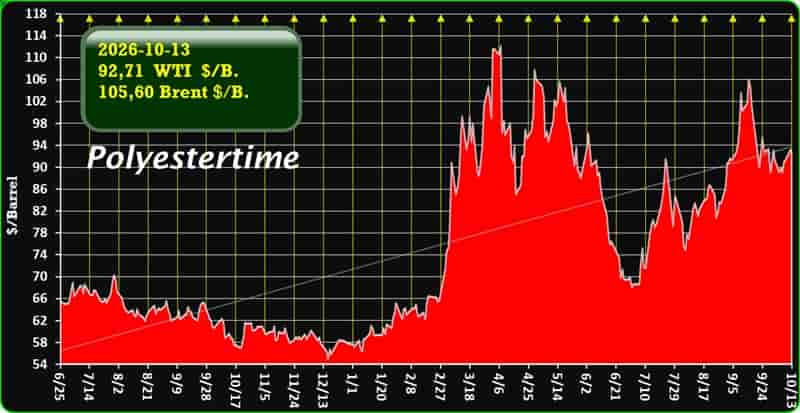
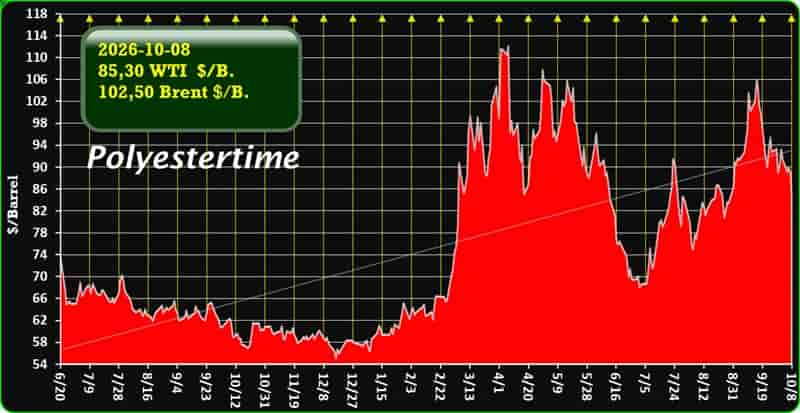
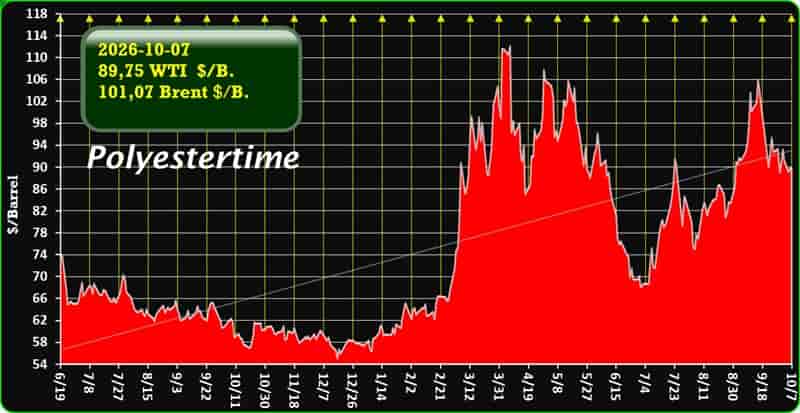
Global energy markets are experiencing heightened volatility as military confrontations and geopolitical friction surrounding the ongoing US-Iran conflict intensify. International benchmark Brent crude has surged to approximately $105 per barrel, while West Texas Intermediate (WTI) trades around $93 per barrel.
This significant divergence and overall elevation in crude benchmarks reflect growing fears of physical supply disruptions across the Middle East, increased maritime insurance costs, and potential bottlenecks in vital transit choke points such as the Strait of Hormuz. US-Iran war oil prices
As global economies grapple with lingering inflationary pressures, this renewed surge in energy costs threatens to destabilize macroeconomic forecasts and complicate central bank policy decisions worldwide.
The Market Realities: Brent at $105/b vs. WTI at $93/b
The current pricing dynamic highlights a pronounced geopolitical spread between international and domestic crude benchmarks. Brent crude, which reflects international sea-borne trade and is highly vulnerable to Middle Eastern supply shocks, has surpassed the $105/b threshold. Conversely, WTI—heavily anchored to domestic United States supply and local storage capacity— hovers around $93/b.
This substantial price spread serves as a direct measurement of the international “war premium”. While US production buffers domestic benchmarks to some degree, global markets are forced to price in immediate logistical delays, rerouted oil tankers, and steep marine war-risk insurance rates.
The foreign export market must constantly recalculate risk, creating sharp upward price movements every time security conditions deteriorate in the Persian Gulf. US-Iran war oil prices
Key Drivers of the US-Iran Conflict Escalation
Several critical factors are driving the elevated US-Iran war oil prices in recent sessions:
Threat to Maritime Logistics and Transit Nodes
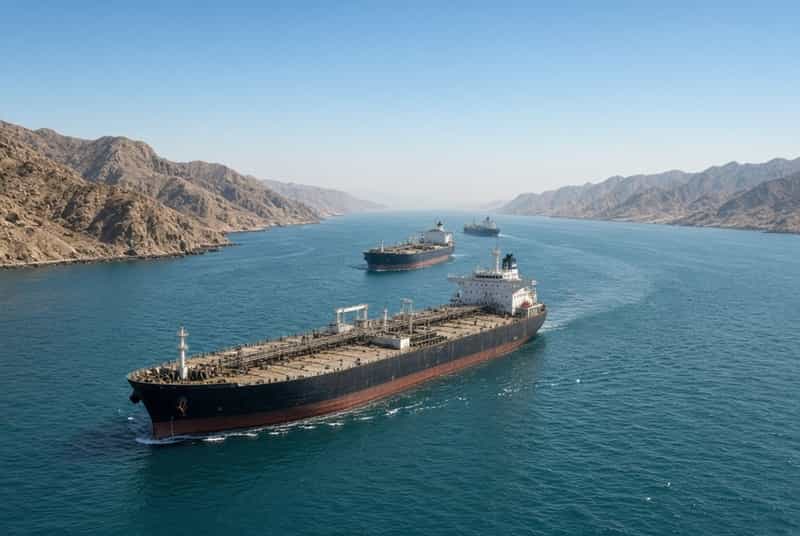
The primary fear among energy analysts is a major interruption through the Strait of Hormuz, through which roughly 20% of global petroleum liquids pass daily. Threats of localized blockades, direct strikes on commercial vessels, and military activity near regional infrastructure have forced energy buyers to secure physical barrels at a high premium. US-Iran war oil prices
Strategic Reserves and Policy Responses
While major economies, including G7 nations, have evaluated or implemented emergency strategic petroleum reserve (SPR) releases to cushion price spikes, these interventions offer only temporary relief. Each minor price decline following reserve announcements has been quickly offset by fresh security headlines, demonstrating that artificial liquidity cannot substitute for long-term regional stability.
Broader Regional Escalation Risks
Beyond direct US-Iran operations, the risk of proxy strikes against neighboring energy infrastructure remains elevated. Heightened security precautions across processing facilities and export terminals throughout the Persian Gulf continue to keep global spare capacity tight. US-Iran war oil prices
Global Macroeconomic Implications
Persistent $105 oil poses severe risks to global economic stability. Energy prices act as a direct input to transport, manufacturing, and agricultural sectors, creating widespread price pressures.
| Market Indicator | Current Status | Macroeconomic Impact |
| Brent Crude Benchmark | ~$105 / barrel | Drives up international fuel import costs, weakening non-dollar currencies. |
| WTI Crude Benchmark | ~$93 / barrel | Increases domestic refinery costs and consumer gasoline pump prices. |
| Inflationary Outlook | Rising pressure | Delays anticipated interest rate cuts by global central banks. |
| Supply Chain Costs | High shipping premiums | Increases air and sea freight costs globally. |
If crude prices stay elevated through the fourth quarter, central banks may be forced to maintain higher interest rates for an extended period to combat secondary inflation. For developing nations reliant on energy imports, this combination of strong energy prices and high interest rates creates severe balance-of-payments challenges. US-Iran war oil prices
Industry Outlook: What Lies Ahead for Energy Markets?
Analysts remain divided on the long-term price trajectory, as outcomes depend almost entirely on political and military developments:
-
Bullish Case ($115 – $130/b): A prolonged operational blockade of regional shipping lanes or sustained damage to critical export facilities could rapidly push Brent crude beyond $120/b, creating a severe international energy shock.
-
Bearish / Stabilization Case ($85 – $95/b): Diplomatic breakthroughs, verified ceasefires, or robust supply responses from non-OPEC producers could drain the risk premium from the market, returning Brent toward the sub-$90 range.
At present, market sentiment favors high volatility. Traders and institutional investors are hedging heavily against tail-risk events, ensuring that prices remain sensitive to breaking security news.
Conclusion
The dynamics surrounding US-Iran war oil prices underscore how sensitive global commodities remain to geopolitical conflict. With Brent holding near $105/b and WTI near $93/b, businesses and consumers alike should prepare for continued volatility. Navigating this environment will require ongoing monitoring of physical export flows, military developments, and central bank reactions in the months ahead.
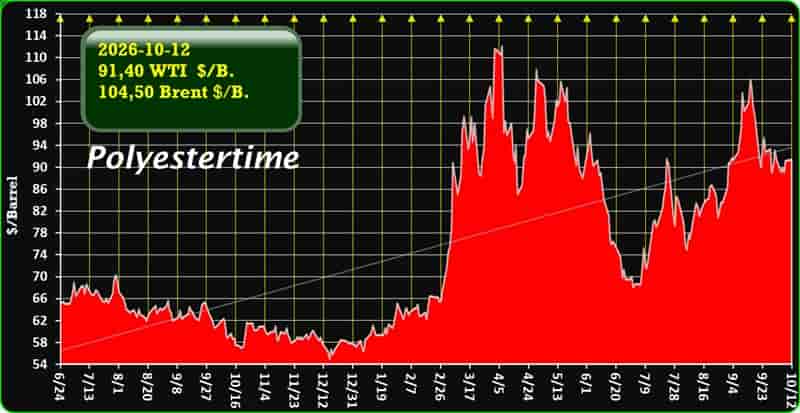
US-Iran Tensions Keep Oil Volatile: Brent at $104 and WTI at $91
More…