Oil Prices and the US-Iran War: Why Brent Is Holding Above $106
es
Oil prices US-Iran war
Oil Prices and the US-Iran War: Why Brent Is Holding Above $106
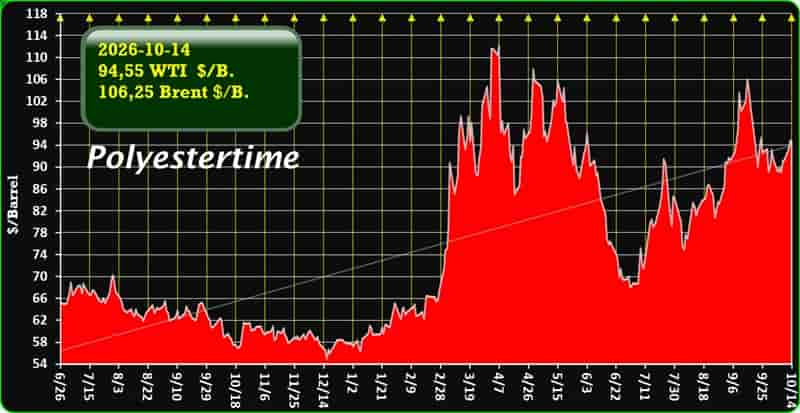
Oil prices remain under strong upward pressure as the US-Iran war continues to disrupt shipping and energy infrastructure across the Gulf. Brent crude is trading around $106 per barrel, while WTI is near $94.50, reflecting a market that is pricing in both immediate supply risks and the possibility of a prolonged conflict.reuters+1
The central issue is no longer simply the risk of military escalation. It is the uncertainty surrounding the Strait of Hormuz, tanker traffic, Saudi production, and the speed at which global inventories can replace barrels lost or delayed by the conflict. oil prices US-Iran war
Current Oil Price Levels
On October 14, Brent crude futures rose toward $106.22 per barrel, while US West Texas Intermediate gained to about $94.51 per barrel in early Asian trading. The moves followed renewed attacks on shipping and concerns over Saudi supply infrastructure.
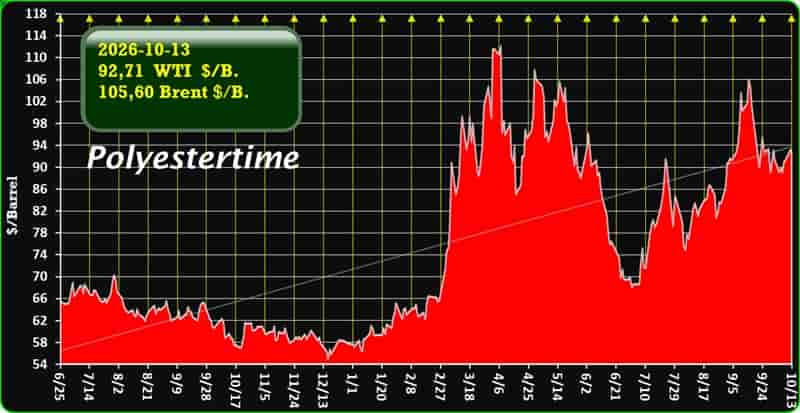
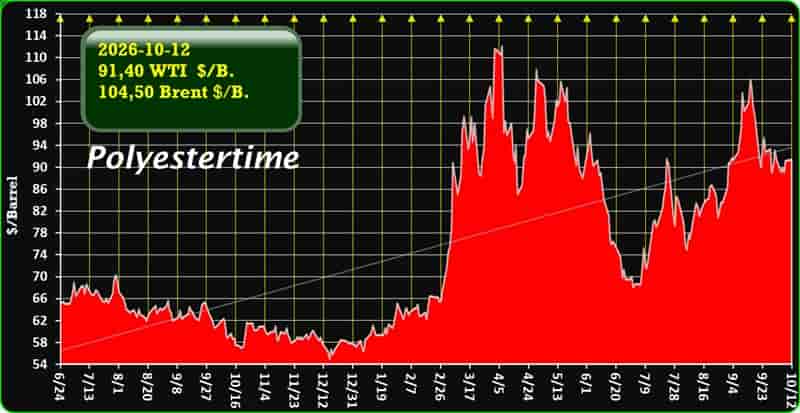
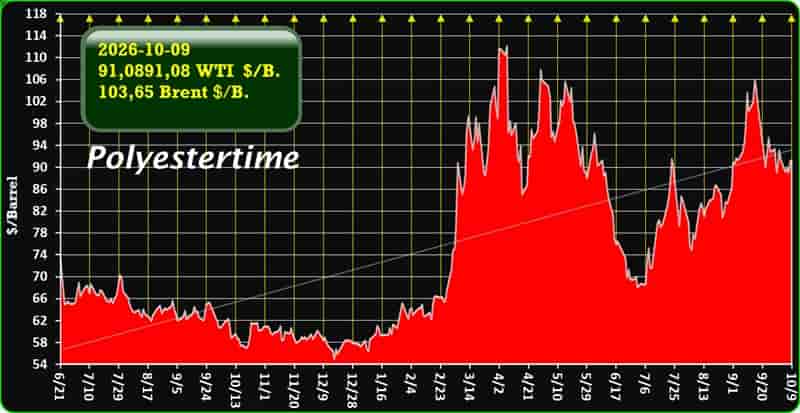
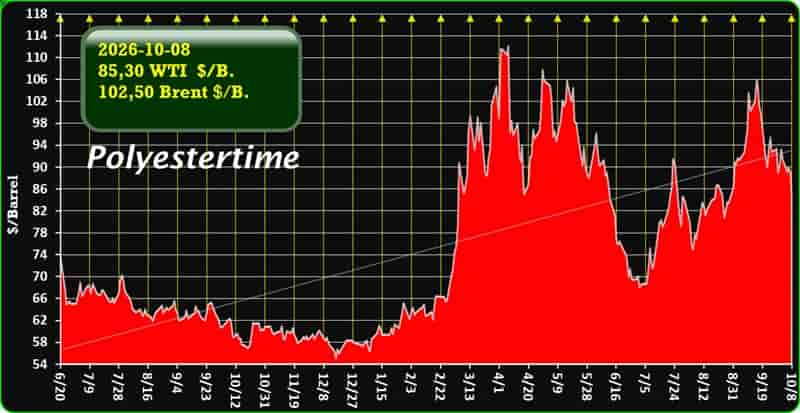
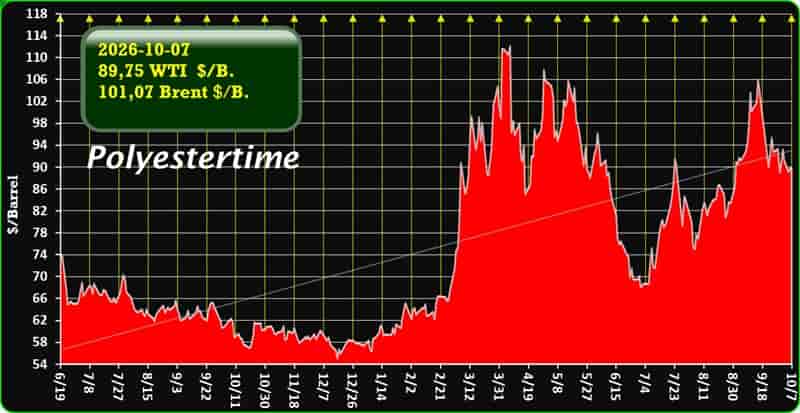
Brent, the international benchmark most relevant to European and Asian refiners, has climbed more than 70% during 2026 as the US-Iran war has unsettled energy flows. WTI, the main US benchmark, has followed a similar direction but remains at a discount because of its different geographic and logistical profile. oil prices US-Iran war
The narrow spread between Brent and WTI is significant. In a normal market, Brent often trades above WTI, but wartime freight risk, insurance costs, and disruptions to Middle Eastern exports can change that relationship quickly. oil prices US-Iran war
Why the US-Iran War Matters for Oil
The US-Iran conflict has turned the Strait of Hormuz into the key variable for global oil markets. Before the war, the strait carried roughly 20% of global oil supplies, making it one of the most important chokepoints in world energy trade.
Iran is reportedly using new tactics to target vessels transiting the strait. Two senior Iranian officials told Reuters that Tehran aims to keep oil prices elevated and influence the US midterm elections. Whether or not that is the full strategic picture, the practical effect is clear: shipping companies face higher risk, insurers raise premiums, and traders demand a larger geopolitical premium.
Some oil is still moving through Hormuz, but traffic has been severely curtailed. That matters because even partial disruption in a chokepoint of this scale can affect cargo scheduling, refinery run planning, and product supply far beyond the Gulf. oil prices US-Iran war
Saudi Arabia and OPEC+ Supply
Saudi Arabia has raised production despite disruptions to shipments caused by the war. According to OPEC data reported by Reuters, this contributed to a sharp production increase from OPEC+ in the previous month.
This additional supply is one of the main reasons oil prices have not moved even higher. However, production increases are only useful if barrels can be exported safely. Attacks linked to Yemen’s Iran-aligned Houthis and the wider regional conflict have kept attention on Saudi oil infrastructure and tanker routes.
For oil buyers, the market is therefore balancing two forces:
-
Additional OPEC+ production, which supports availability.
-
Shipping insecurity around Hormuz and Saudi facilities, which limits the reliability of that supply.
-
Increased Russian diesel exports, which may ease product-market tightness but do not remove the risk attached to crude transit through the Gulf. oil prices US-Iran war
What Is Supporting Prices
Several factors are currently supporting Brent above $106 and WTI near $95.
First, physical supply risk remains high. Attacks on vessels and threats to shipping lanes increase freight, insurance, and security costs. These costs are ultimately reflected in crude differentials and refined-product prices.
Second, inventories are under pressure. The US Energy Information Administration has raised its oil price forecasts again, citing the war’s impact on global stockpiles and disrupted flows through Hormuz. Lower inventories reduce the market’s buffer against further disruptions.
Third, the political outlook remains uncertain. Iran has reportedly said that the US response on reopening Hormuz was insufficient, while negotiations over the strait and the wider conflict remain unresolved. Markets tend to assign a premium when the timing and conditions of de-escalation are unclear. oil prices US-Iran war
What Could Push Prices Lower
Oil prices are not moving in one direction without limit. A credible reopening of the Strait of Hormuz, a durable ceasefire, or a clear reduction in attacks on commercial shipping could trigger a rapid decline in the geopolitical risk premium.
Increased Russian diesel exports may also relieve pressure in refined-product markets, particularly in Europe and Asia. Reuters reporting notes that expectations of higher Russian diesel flows are likely to limit sharp price movements in either direction, with one analyst projecting WTI in a $90–$100 per barrel range.
For buyers of polymers, chemicals, and energy-intensive materials, this matters because crude oil influences naphtha, fuel, transport, and overall production costs. A sustained Brent price above $100 keeps cost inflation alive across petrochemical value chains, even if crude prices stabilize. oil prices US-Iran war
Impact on Chemicals and Plastics
For the chemical and plastics industry, the oil price situation is more than a headline number. Higher crude prices typically support higher feedstock costs, especially for naphtha-based crackers in Europe and Asia. This can affect ethylene, propylene, aromatics, and downstream polymers such as polyethylene, polypropylene, polystyrene, and PET.
The effect is not automatic. Polymer prices also depend on plant operating rates, regional demand, freight costs, currency movements, and local supply disruptions. However, when Brent remains above $106, producers face stronger pressure to defend margins through price increases, reduced discounts, or allocation discipline.
Energy costs are equally important. Electricity, steam, natural gas, and logistics all become more expensive when Middle East supply insecurity persists. Converters and compounders should therefore monitor not only crude benchmarks but also diesel, naphtha, natural gas, and freight indicators. oil prices US-Iran war
Market Outlook
The near-term outlook remains volatile. Brent around $106 and WTI around $94.50 suggest that markets see a meaningful probability of continued disruption, but not yet a complete collapse of Gulf exports.
The most important indicators to watch are:
-
Tanker traffic and insurance rates in the Strait of Hormuz.
-
Attacks on Saudi, Emirati, or other Gulf energy infrastructure.
-
OPEC+ production decisions and actual export volumes.
-
Russian diesel availability and export flows.
-
Progress or breakdown in US-Iran negotiations.
-
Changes in OECD and Asian commercial oil inventories.
If Hormuz transit improves materially, Brent could retreat quickly as risk premium unwinds. If attacks intensify or a major export facility is damaged, prices could test higher levels despite additional OPEC+ supply. oil prices US-Iran war
Key Takeaway
Oil prices are being driven by a simple but powerful equation: geopolitical disruption is reducing confidence in Gulf supply, while additional OPEC+ output and Russian diesel are preventing an even sharper rally. With Brent above $106 and WTI near $94,50, the market is still paying a substantial war premium.
For industrial buyers, the priority is risk management rather than trying to predict a single price level. Securing supply flexibility, reviewing feedstock exposure, and tracking Hormuz-related developments will be more useful than assuming that current prices will remain stable. oil prices US-Iran war
Escalating US-Iran War Pushes Oil Prices High: Brent Touches $105/b as Risk Premiums Surge
More…