Revolutionary Breakthrough: Clarios Unveils Stunning 100% Recycled Plastics for Cars
By PolyestertimePolyestertime
Revolutionary Breakthrough: Clarios Unveils Stunning 100% Recycled Plastics for Cars
The automotive industry stands at a critical crossroads. As global climate policies tighten and consumer expectations shift toward genuine eco-responsibility, traditional manufacturing models are undergoing a massive transformation. Vehicle makers are no longer just looking for durability and cost-efficiency; they are actively hunting for sustainable materials that can dramatically reduce a car’s carbon footprint without compromising on safety or performance. 100% recycled plastics
Enter groundbreaking material advancements that promise to alter how vehicles are built from the ground up. Recent industry developments highlight a major leap forward in sustainable engineering, proving that high-performance automotive components can be manufactured responsibly through advanced recycling technologies. 100% recycled plastics
The Rise of 100% Recycled Polypropylene in Vehicles
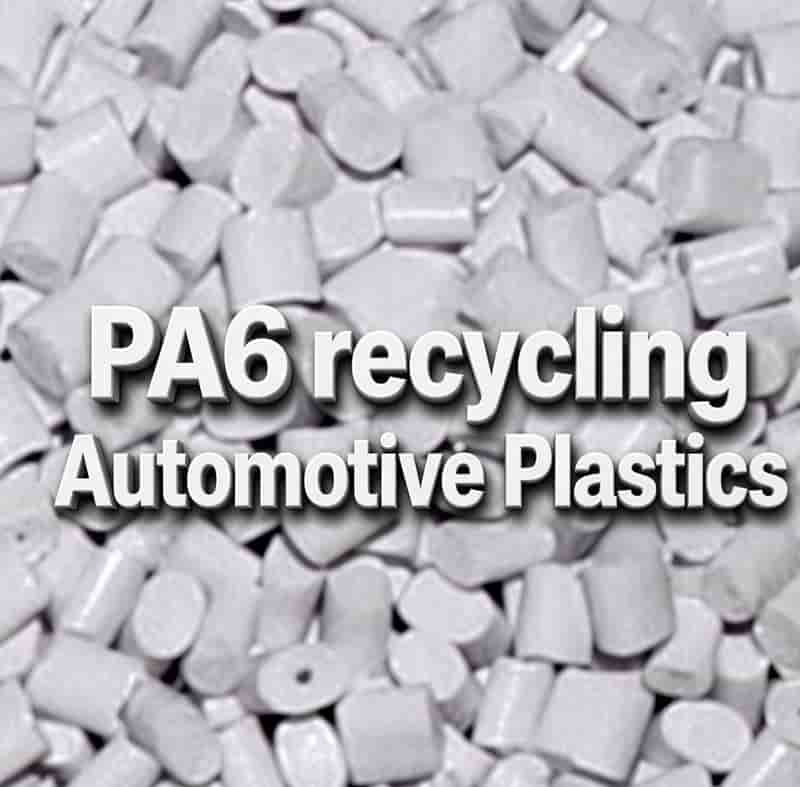
At the center of this movement is Clarios, a prominent global energy storage and automotive solutions provider, which has expanded its portfolio of recycled polymers with its innovative “Seculene” product line. Showcased at Fakuma 2026, these advanced polypropylene (PP) compounds are engineered entirely from post-consumer recycled (PCR) material. 100% recycled plastics
Rather than relying heavily on virgin fossil fuels, these compounds offer a robust alternative designed for demanding automotive applications. From heavy-duty battery housings and exterior bumpers to complex underbody components and intricate interior parts, these materials demonstrate that post-consumer waste can be successfully upcycled into high-grade automotive assets.
Comprehensive Material Portfolio and Technical Excellence
One of the historical hurdles of utilizing recycled plastics in automotive manufacturing has been the strict performance criteria required by original equipment manufacturers (OEMs). Safety, structural integrity, and thermal or chemical resistance cannot be compromised. 100% recycled plastics
The Seculene portfolio addresses these rigorous engineering standards by offering around 30 distinct material grades. This versatile lineup includes unfilled and filled PP compounds alongside specialized blends of polypropylene and ethylene-propylene-diene rubber (PP/EPDM).
Crucially, the portfolio features a high-performance flame-retardant PP compound that achieves the demanding UL 94 V-0 flammability classification, backed by a corresponding “Yellow Card.” This technical achievement ensures that even under strict fire-performance and safety mandates, manufacturers can successfully deploy 100% recycled polymer solutions without risking compliance or passenger safety.
Strengthening the European Recycling Infrastructure
A sustainable product line is only as strong as the supply chain behind it. To ensure consistent quality and scale, Clarios is actively developing its Seculene operations at its Hanover facility, alongside recycling centers in Freiberg and Braubach that were recently integrated into its network. 100% recycled plastics
By unifying these strategic sites, the company aims to significantly expand the processing, upgrading, and overall circulation of recycled polypropylene directly within the European value chain. This localized approach not only minimizes transportation-related emissions but also strengthens regional material security, giving European carmakers reliable access to certified circular polymers.
Navigating New EU Mandates and Regulations
The push toward circular manufacturing is no longer driven solely by corporate initiative; regulatory frameworks are accelerating the transition. The European Union End-of-Life Vehicles Regulation has introduced stringent mandates that redefine vehicle design and material sourcing. 100% recycled plastics
According to the policy, new vehicle types receiving type approval starting in September 2032 must incorporate at least 15% post-consumer recycled plastic. This threshold will escalate sharply to 25% by September 2036. Furthermore, regulators have specified that at least 20% of the mandatory recycled content must originate directly from end-of-life vehicles or components recovered during a vehicle’s service lifecycle.
These regulatory milestones establish a definitive legal framework, pushing automakers to secure reliable, high-volume PCR supply partners well ahead of the deadlines.
The Future of Circular Automotive Engineering
The integration of 100% post-consumer recycled compounds into mainstream automotive production signals a fundamental shift in how the industry views waste. Discarded plastics are no longer environmental burdens; they are valuable raw materials waiting to be re-engineered. 100% recycled plastics
As companies scale their processing capacities and refine their technical formulations, the gap between ecological responsibility and industrial performance continues to narrow. For car manufacturers and suppliers alike, adopting these advanced materials is not just about meeting regulatory compliance—it is about securing a resilient, sustainable future for mobility. 100% recycled plastics
More…