PLA Foam Packaging: TotalEnergies Corbion Launches Lower-Carbon Alternative to XPS
PLA Foam Packaging: TotalEnergies Corbion Launches Lower-Carbon Alternative to XPS
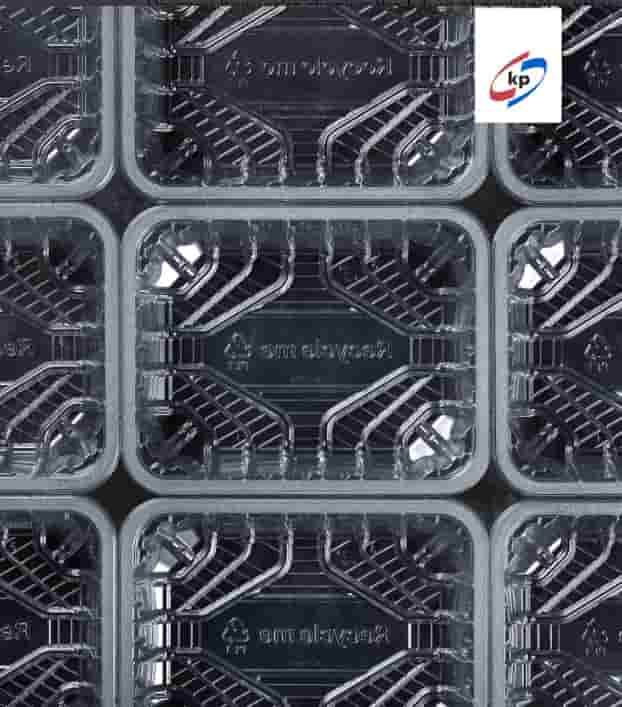
TotalEnergies Corbion has introduced Luminy FOAM 50F, a new high melt strength PLA grade designed for extrusion-foamed packaging. The material is positioned as a lower-carbon alternative to extruded polystyrene foam, commonly known as XPS, for applications such as fresh food trays, meat and fish packaging, clamshells, bowls and foodservice containers.
The launch matters because packaging producers are under growing pressure to reduce reliance on fossil-based materials while keeping performance, scalability and cost under control. In many cases, the main barrier to switching materials is not only the polymer itself, but the need for new equipment, new processing conditions or major capital investment.
Luminy FOAM 50F is designed to address that problem by working on existing XPS extrusion foaming lines with comparable throughput and minimal modification. For converters, that “drop-in” positioning could make the material more practical than alternatives that require a full redesign of production assets.
Why PLA Foam Packaging Is Attracting Attention
PLA, or polylactic acid, is a biobased polymer typically made from renewable feedstocks. In this case, TotalEnergies Corbion says its Luminy PLA is based on responsibly sourced sugarcane.
The company presents Luminy FOAM 50F as both biobased and industrially compostable. It also says the material is recyclable and free from styrene, PFAS and persistent microplastics. These claims are important because many packaging buyers are now looking beyond simple “bioplastic” labels and asking more specific questions about carbon footprint, chemical safety and end-of-life options.
According to TotalEnergies Corbion, foamed parts made with Luminy FOAM 50F can deliver at least a 70% lower carbon footprint compared with XPS foam parts. The company also states that the grade offers comparable density and functional performance to conventional XPS.
That combination is the central commercial promise: lower-carbon PLA foam packaging without a major compromise in processing or packaging performance.
Designed for Existing XPS Lines
One of the most significant features of Luminy FOAM 50F is its compatibility with established XPS extrusion equipment. Many packaging converters already run high-volume XPS lines, and replacing those systems can be expensive, slow and operationally risky.
TotalEnergies Corbion says the material’s high melt strength enables stable foam production without extra additives, chain extenders or reactive processing. In practical terms, this is intended to help manufacturers produce low-density foam structures with consistent cell morphology.
That point is especially relevant for food packaging, where trays and containers need to remain lightweight while still providing rigidity, insulation, impact resistance and reliable handling during filling, transport and retail display.
Food Packaging Is the First Target
The new PLA foam grade is aimed at food-contact and foodservice applications, including trays for fresh produce, meat, fish, clamshells and bowls. These are markets where XPS has historically been used because it is light, inexpensive and functional.
However, polystyrene packaging faces increasing scrutiny from regulators, retailers and consumers. Some markets are tightening restrictions on polystyrene foam, especially in single-use foodservice applications. This creates a clear opening for materials that can offer similar functionality with a better environmental profile.
TotalEnergies Corbion says Luminy FOAM 50F has FDA and Korean food contact approval and can be used in food-contact applications in countries following those regulatory frameworks. For other markets, the company says the grade is available globally for non-food applications, with technical support available for implementation.
A Lower-Carbon Alternative, Not a Simple Cure-All
The launch is a notable development, but it should be assessed carefully. PLA foam packaging can reduce dependence on fossil-based polystyrene, yet its real environmental value depends on sourcing, production energy, local waste-management infrastructure and actual end-of-life treatment.
Industrial compostability, for example, is only useful where appropriate composting systems exist and where packaging is collected correctly. Recyclability also depends on whether local systems can identify, sort and process the material at scale.
That means Luminy FOAM 50F should not be presented as a universal solution to packaging waste. Its strongest case is more specific: it offers converters and brand owners a potentially scalable way to reduce the carbon footprint of foam packaging while using existing extrusion assets.
Why This Launch Could Influence the Packaging Market
For packaging companies, the appeal of Luminy FOAM 50F lies in three connected advantages.
First, it is based on renewable feedstock rather than fossil-based styrene chemistry. Second, it is designed to work with existing XPS extrusion lines, reducing the barrier to adoption. Third, it targets common food packaging formats where demand for lower-impact alternatives is already strong.
This is also consistent with a broader trend in foam packaging innovation. Earlier industry work around expanded PLA has focused on protective packaging, cold-chain applications and premium packaging, showing that PLA foam is moving from development toward more industrial use cases.
The commercial launch of a dedicated extrusion-foaming PLA grade suggests that biobased foam materials are becoming more technically mature. Instead of being limited to prototypes or niche products, PLA foam is now being positioned for mainstream packaging conversion. PLA foam packaging
What Converters and Brands Should Watch Next
The key questions now are practical ones. Can Luminy FOAM 50F run consistently at commercial scale across different equipment setups? Can it meet the mechanical and thermal requirements of demanding food packaging applications? Will the cost gap versus XPS be acceptable for brand owners and retailers?
Packaging buyers should also request verified life-cycle data, food-contact documentation and clear end-of-life guidance for each target market. Sustainability claims should be specific, evidence-based and adapted to local infrastructure.
If those conditions are met, PLA foam packaging could become a more credible alternative for companies seeking to move away from conventional polystyrene foam without rebuilding their production model from scratch.
Bottom Line
TotalEnergies Corbion’s Luminy FOAM 50F is a commercially significant step for PLA foam packaging. It offers a sugarcane-based, lower-carbon material designed for existing XPS extrusion lines and targeted at high-volume food packaging formats.
Its success will depend on real-world processing, cost competitiveness, regulatory acceptance and end-of-life systems. Still, the launch shows that the market for polystyrene alternatives is shifting from experimental materials toward scalable industrial solutions.
Bioplastics Market Trends: Packaging and Healthcare Drive the Next Phase
More…