Lassonde Pushes Packaging Sustainability With Smaller Labels and More Recycled PET
Recycled PET packaging
Lassonde is treating packaging as a central part of its sustainability strategy, not simply as a container for its juice, food and beverage brands.
The Rougemont, Quebec-based company, known for brands such as Allen’s, Rougemont, Del Monte and SunRype, has used its latest sustainability update to highlight progress on recycled plastic, label reduction, recyclability and water efficiency. For a business built around high-volume packaged products, those changes matter because packaging is one of the most visible and measurable areas where food and beverage companies can reduce waste.
The company’s approach is not based on one single redesign. Instead, Lassonde is making a series of practical packaging changes: increasing recycled PET content, reducing label size, replacing difficult-to-recycle materials and giving consumers clearer recycling information.
Why Lassonde’s packaging shift matters
Food and beverage companies face growing pressure from regulators, retailers and consumers to reduce packaging waste. In Canada, extended producer responsibility rules are also changing how companies think about the materials they place on the market.
Under EPR systems, producers are increasingly responsible for the end-of-life management of packaging and paper products. That makes packaging design a compliance issue as well as a sustainability issue.
For Lassonde, this means that bottles, labels, adhesives and recycling instructions all have a role to play. A bottle may technically be recyclable, but its full packaging system must also be designed so that recycling facilities can process it efficiently.
That is why the company’s focus on label size and glue is important. These details may seem minor to consumers, but they can affect how easily packaging moves through recycling systems.
More recycled PET in bottles
One of Lassonde’s most important packaging milestones is its progress on recycled PET.
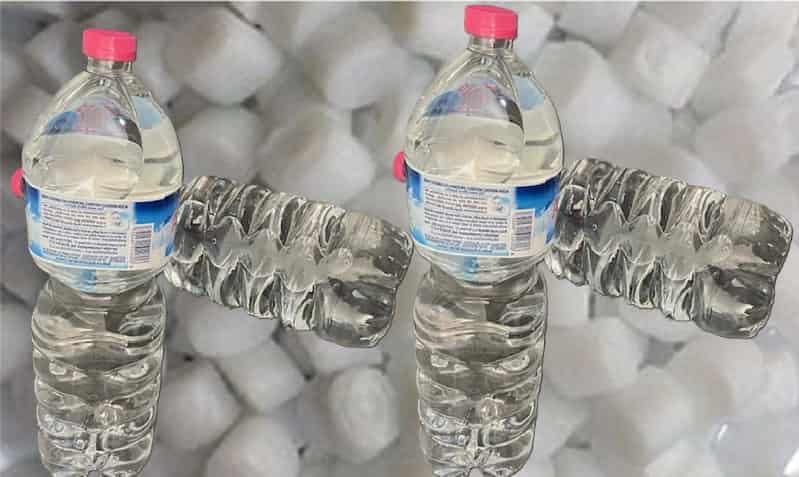
The company reported that it reached an average of 20% recycled content in PET packaging by the end of 2025. It has also introduced higher recycled content in certain bottle formats, including one- and two-litre bottles in Canada and selected formats in the United States.
PET, or polyethylene terephthalate, is widely used in beverage bottles because it is lightweight, durable and commonly accepted in recycling systems. Using recycled PET can reduce dependence on virgin plastic and support demand for post-consumer recycled material.
For beverage companies, this is a key step toward circular packaging. The goal is not only to make packaging recyclable, but also to create a stronger market for recycled materials that can be reused in new products.
Smaller labels, less material waste
Lassonde is also reducing the size of labels on some packaging.
This is a practical way to lower material use without changing the core product. Smaller labels mean less plastic or paper is used per unit, and they may also make it easier for recycling systems to identify and process the bottle material.
The company is also reviewing the glue used in labelling applications. Adhesives can influence recyclability because some glues interfere with the washing and sorting process. By choosing labelling materials and adhesives more carefully, producers can improve the chances that packaging is successfully recycled.
This type of change reflects a broader trend in sustainable packaging: companies are moving beyond headline claims and looking at the full packaging design, from bottle resin to label coverage to closure systems.
Replacing non-recyclable sleeves
Lassonde has also replaced some non-recyclable sleeves with recycled PET in products such as SunRype Slim and private-label sauce lines.
This matters because full-body shrink sleeves can sometimes make packaging harder to sort. If a sleeve covers too much of the container or uses incompatible material, recycling equipment may misidentify the package.
By moving away from non-recyclable sleeves, Lassonde is aligning packaging design more closely with recycling infrastructure. This is the type of operational change that can improve real-world recyclability, not just theoretical recyclability.
Clearer recycling instructions for consumers
Packaging sustainability also depends on consumer behaviour.
Lassonde has started adding How2Recycle labels to selected packaging, mainly in the United States for now, with plans to expand. The How2Recycle system gives standardized instructions that help consumers understand whether and how to recycle a package.
This is important because unclear recycling claims can lead to contamination. Consumers may place non-recyclable or incorrectly prepared items into recycling bins, which can reduce the quality of recovered material.
Clear labelling can help close that gap. It gives consumers direct guidance and supports better recycling outcomes.
Water use and emissions remain part of the wider strategy
Packaging is only one part of Lassonde’s sustainability work.
The company also reported progress on water efficiency, reducing its water-withdrawal ratio in beverage plants to 2.04 litres of water per litre of product. That represents a 4% reduction compared with 2024 and brings Lassonde closer to its 2026 target.
Water management is especially relevant for beverage producers because water is both an ingredient and an operational resource. Reducing water use can improve efficiency while lowering environmental pressure on local resources.
Lassonde has also identified greenhouse gas emissions as a longer-term priority. The company is working on emissions reduction through internal operations and supplier collaboration, reflecting the reality that much of a food and beverage company’s footprint can sit across its value chain.
A response to regulation and market expectations
The timing of Lassonde’s packaging work is significant.
Across Canada, EPR rules and plastics reporting requirements are pushing producers to take more responsibility for packaging after use. This creates stronger incentives to design packaging that is recyclable, traceable and easier to manage at end of life.
For companies like Lassonde, sustainability is therefore becoming part of risk management. Packaging choices can affect regulatory compliance, retailer relationships, consumer trust and operating costs.
At the same time, food and beverage brands must balance sustainability with product safety, shelf life, cost and performance. That makes packaging reform a technical challenge, not just a marketing exercise.
Why this is a gradual transition
Lassonde’s sustainability strategy appears to be based on continuous improvement rather than a single large announcement.
That is realistic. Packaging systems are complex, especially for companies that operate across different product categories, formats, suppliers and markets. A change that works for one bottle size or product line may not be immediately transferable to another.
The company’s current progress shows that measurable improvements can come from several smaller decisions: using more recycled PET, reducing label material, improving adhesives, replacing non-recyclable sleeves and adding clearer recycling instructions.
For consumers, these updates may not always be obvious on the shelf. But for recycling systems and packaging compliance, they can make a meaningful difference.
The bigger picture for sustainable packaging
Lassonde’s work reflects a broader shift in the food and beverage sector.
Sustainable packaging is no longer limited to lightweighting or using recyclable materials. Companies are now being expected to prove that packaging can actually move through recycling systems, contain recycled content and meet evolving regulatory standards.
This is where recycled PET packaging becomes a strategic focus. It connects material efficiency, circular economy goals, consumer communication and regulatory readiness.
For Lassonde, the challenge will be to scale these improvements across more product lines while maintaining quality and affordability. The opportunity is to strengthen its position as a food and beverage producer that treats packaging as part of long-term business resilience.
Conclusion
Lassonde’s latest sustainability progress shows how packaging reform is becoming more detailed, technical and measurable.
By increasing recycled PET content, reducing label size, improving recyclability and adding clearer consumer instructions, the company is moving toward a more circular packaging model. Its progress on water reduction and emissions planning also shows that packaging is part of a wider operational sustainability strategy.
The next test will be consistency. If Lassonde can expand these packaging improvements across more brands and formats, it could turn incremental design changes into a stronger sustainability advantage.
Global PET Bottle Grade Resin and Recycled PET (rPET) Industry
More…