US-Iran Tensions Push Oil Prices Toward $100: What It Means for the Global Economy
US Iran oil prices
US-Iran Tensions Push Oil Prices Toward $100: What It Means for the Global Economy
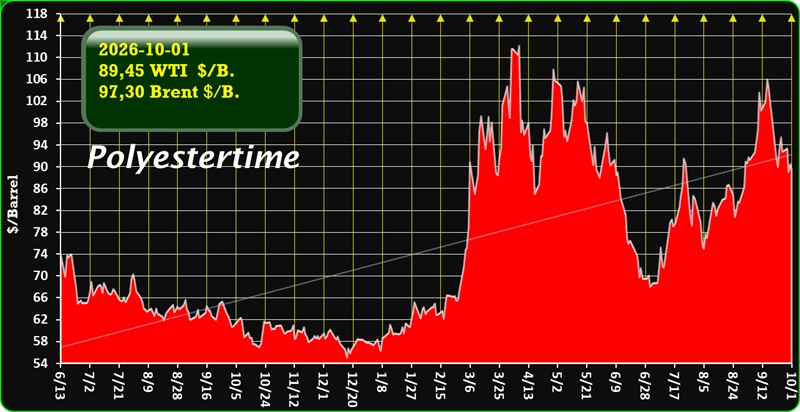
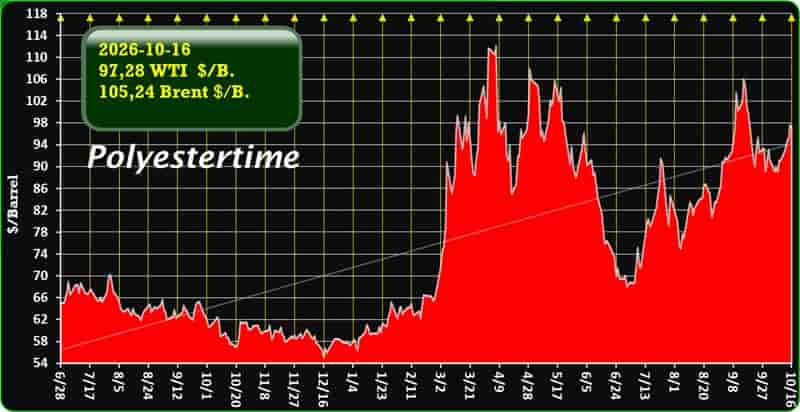
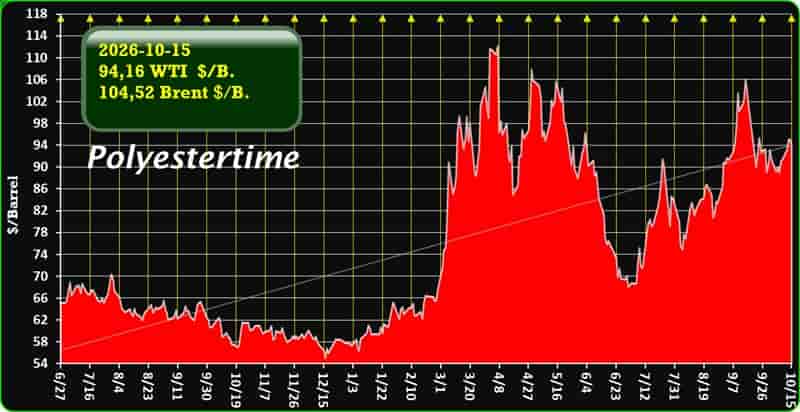
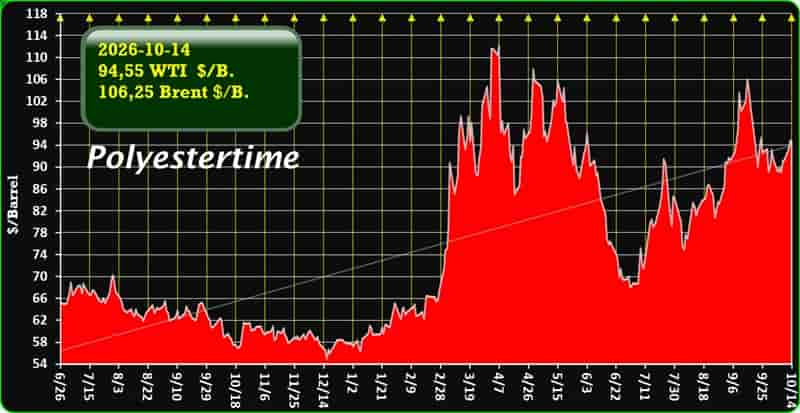
Energy markets are facing a critical turning point as military tensions and stalled negotiations between the United States and Iran ripple through global commodity exchanges. Brent crude is currently hovering around $97 a barrel, while West Texas Intermediate (WTI) stands firm near $90 a barrel.
The sharp surge in crude prices follows months of escalating hostilities, attacks near strategic maritime routes, and heightened friction over critical chokepoints. With the psychological barrier of $100/barrel rapidly approaching, market participants, central bankers, and logistics networks are bracing for wide-ranging economic consequences.
The Geopolitical Context Driving the Surge
The ongoing standoff between Washington and Tehran has transformed energy security into a top concern for traders and policymakers. Recent clashes near vital Gulf corridors—most notably the Strait of Hormuz—have forced energy traders to price in severe geopolitical risk premiums.
Because roughly 20% of the world’s petroleum consumption flows through the Strait of Hormuz, any minor disruption or naval engagement immediately pushes prices upward. Although physical supply cutoffs have remained localized, shipping lines face surging hull insurance costs and increased transit times as vessels reroute to safer shipping lanes.
Attempts at diplomatic engagement have yielded limited results. As negotiations stall, energy markets remain highly sensitive to headline risks. A single security breach, targeted strike, or drone deployment near offshore infrastructure causes multi-dollar intraday swings.
Brent at $97 and WTI at $90: Breaking Down the Numbers
The price differential between international benchmark Brent ($97/B) and domestic benchmark WTI ($90/B) illustrates distinct supply dynamics on both sides of the Atlantic:
-
Brent Crude ($97/B): Reflects immediate vulnerability to Middle Eastern export disruptions and European energy dependence. European refiners relying heavily on seaborne imports face higher landed costs.
-
WTI Crude ($90/B): Supported by domestic production in the US Permian Basin, though still exposed to global benchmark movements.
In the US, shale oil producers report heightened volatility in long-term planning. According to recent industry surveys, extreme price fluctuations make capital expenditure allocation difficult for North American energy firms. While higher prices boost immediate cash flows, long-term hedging strategies are challenged by unpredictability.
Supply Chain Risks and the Threat to Inflation Goals
Higher crude oil prices translate into elevated transport costs across the entire real economy. Freight carriers, commercial airlines, and industrial manufacturers face immediate fuel surcharges that directly pass through to consumer prices.
+-------------------+      +--------------------+      +--------------------+
|  US-Iran Conflict | ---> |  Crude Hits $97/B  | ---> | Diesel & Jet Fuel  |
|  & Maritime Risks |      |  (Brent Benchmark) |      | Cost Inflation     |
+-------------------+      +--------------------+      +--------------------+
                                                                 |
                                                                 v
+-------------------+      +--------------------+      +--------------------+
| Higher Interest   | <--- | Central Banks Hold | <--- | Consumer Goods &   |
| Rates for Longer  |      | Policy Rates High  |      | Logistics Costs    |
+-------------------+      +--------------------+      +--------------------+
Central banks worldwide are paying close attention to these dynamics. Having spent years attempting to bring headline inflation back toward target rates, monetary authorities face the prospect of a renewed energy shock:
-
Refining Margins: High raw crude prices reduce refiner margins, causing refined products like diesel and jet fuel to rise faster than unrefined crude.
-
Agricultural Impact: Diesel powers agricultural equipment and cross-country logistics; rising energy prices inflate food production costs.
-
Monetary Response: Elevated energy costs could delay planned interest rate cuts, keeping borrowing costs high for businesses and households.
Strategic Petroleum Reserves and OPEC+ Dynamics
In response to market instability, major oil-consuming nations are reviewing their Strategic Petroleum Reserves (SPR). However, inventory levels in many Western nations remain lower than historical averages following prior emergency releases.
Concurrently, the broader OPEC+ alliance faces a complex balancing act. While member nations benefit from higher revenues when oil stays near $90–$100, excessively high prices threaten to slow global economic growth and reduce overall demand. Analysts note that OPEC+ members with spare capacity may face political and market pressure to increase quotas if prices break past the $100 milestone. US Iran oil prices
Outlook: What to Watch in the Coming Weeks
Market stability hinges on three core variables in the near term:
-
Maritime Security: Whether commercial tankers can pass through critical regional waterways without military interference or increased insurance penalties.
-
Diplomatic Progress: Any breakthrough or total breakdown in bilateral discussions between the US and Iran.
-
US Supply & Demand Data: Weekly inventory reports from the Energy Information Administration (EIA), which signal domestic consumption strength and production response.
Should tensions cool and diplomatic avenues re-open, prices could pull back by 10% to 15% as geopolitical risk premiums unwind. Conversely, direct military escalation targeting key production facilities could push Brent well into triple-digit territory.
For consumers, businesses, and investors alike, navigating this period requires paying close attention to energy fundamentals and geopolitical developments.
This video is relevant because it explains how escalation around the Strait of Hormuz directly threatens oil tankers and pushes Brent crude toward $97 a barrel.