Keep Oil Prices US Iran oil prices High: Brent Hits $105 as Strait of Hormuz Blockade Holds
US Iran oil prices
US-Iran Tensions Keep Oil Prices High: Brent Hits $105 as Strait of Hormuz Blockade Holds
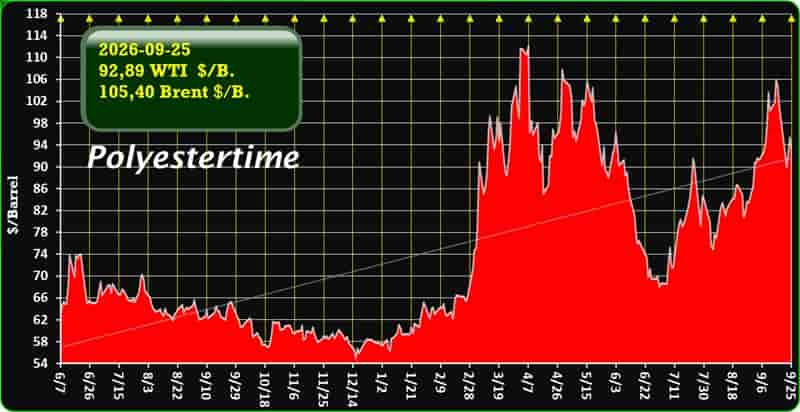
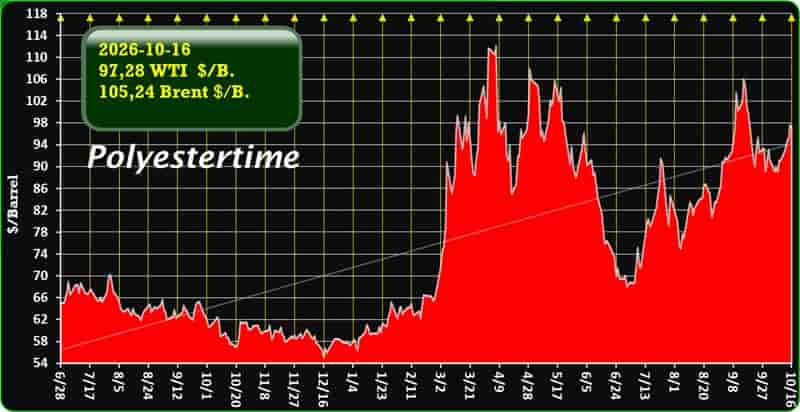
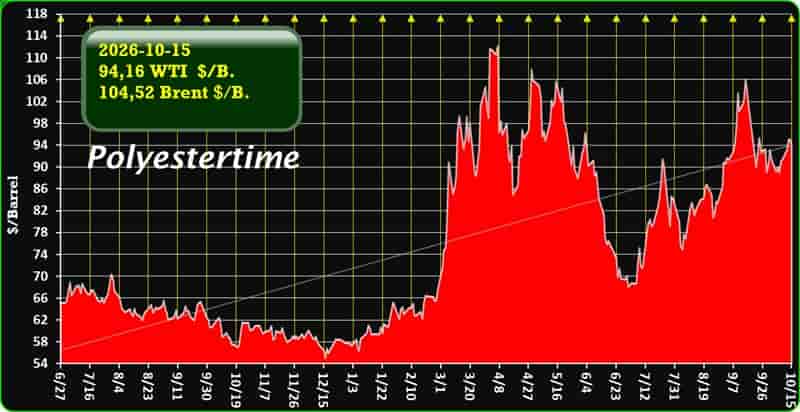
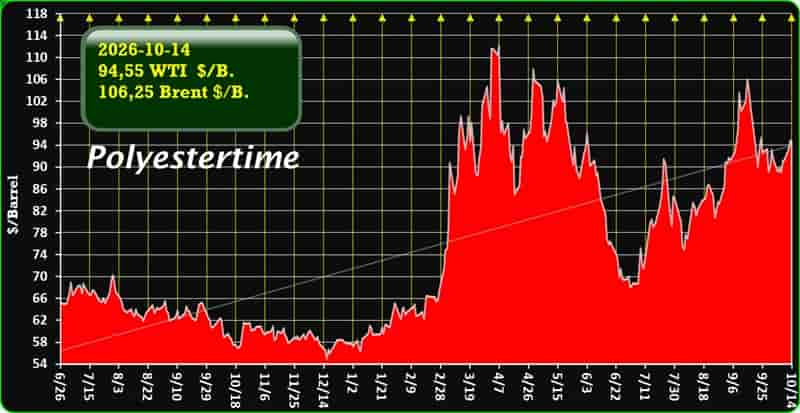
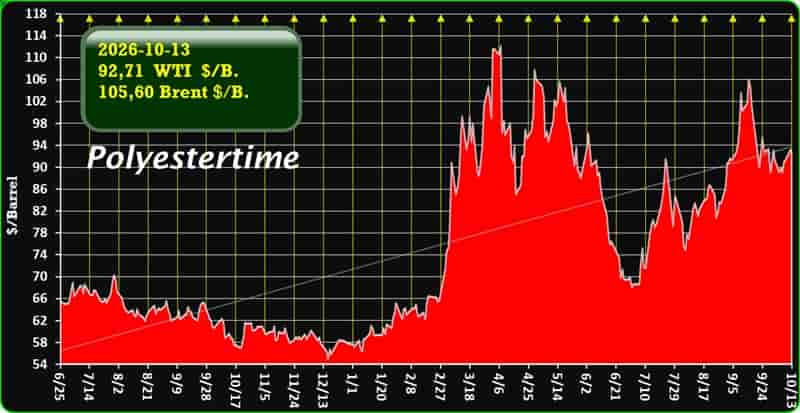
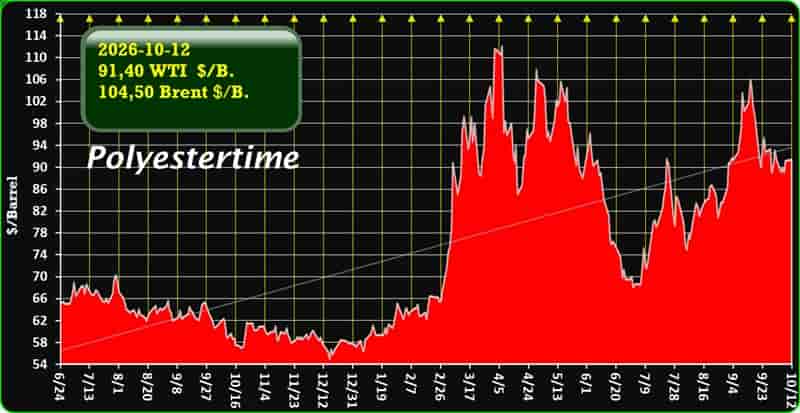
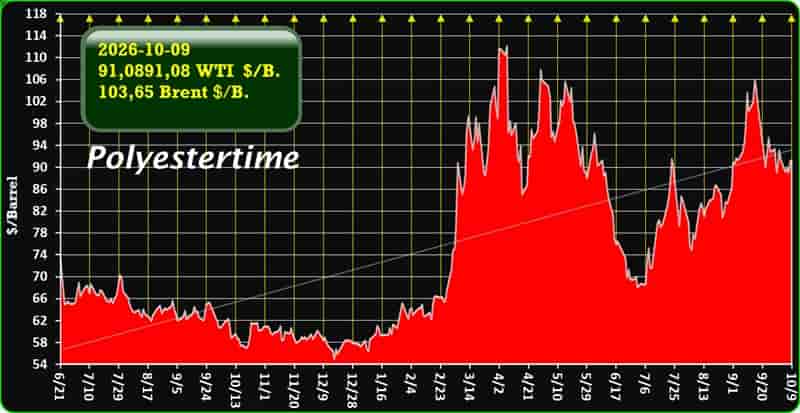
Crude oil markets remain caught in a intense geopolitical tug-of-war. Benchmark Brent crude is trading near $105 per barrel, while U.S. West Texas Intermediate (WTI) holds around $93 per barrel. These elevated prices reflect a substantial geopolitical risk premium, driven by ongoing military friction between the United States and Iran, naval blockades, and persistent threats to critical energy transportation routes in the Middle East.
While brief signals of diplomatic outreach periodically trigger temporary price pullbacks, market sentiment stays fragile. Investors and global energy analysts are closely evaluating how supply disruptions, bypass infrastructure, and stalled peace negotiations will shape the economic trajectory for the remainder of the year.
What Is Driving the Brent and WTI Price Spread?
The price gap between global benchmark Brent crude (~$105/bbl) and U.S. domestic benchmark WTI (~$93/bbl) highlights a distinct regional divergence in supply vulnerability.
-
Brent’s Direct Middle East Exposure: Brent crude reflects international sea-borne trades and reacts immediately to maritime security in the Persian Gulf. Because a massive portion of international crude passes through the Strait of Hormuz, any threat to local shipping routes raises transit insurance rates and drives Brent higher.
-
WTI Supported by Domestic Production: West Texas Intermediate benefits from domestic U.S. shale production and North American pipeline infrastructure. While WTI still tracks global market momentum due to export integration, regional inventory buffers cushion it slightly better from physical Gulf blockades.
The Strait of Hormuz and Middle East Shipping Bottlenecks
The primary engine behind current energy market volatility is the security status of the Strait of Hormuz. Handling roughly 20% of global petroleum consumption, the narrow choke point remains subject to military posturing, restricted tanker movement, and naval blockades.
Key Takeaway: Tehran has indicated that a reopening of Hormuz could occur quickly if naval blockades are lifted through bilateral agreements. However, until concrete diplomatic accords are signed, shipping operators face high transit risks and elevated maritime insurance costs.
To mitigate these disruptions, regional producers have attempted to deploy bypass mechanisms. Saudi Arabia recently reactivated its East-West Pipeline to transport crude directly to the Red Sea port of Yanbu. While this alternative route provides up to 7 million barrels per day in theoretical capacity, full operational ramp-ups take weeks to stabilize, leaving maritime traffic in the Gulf vulnerable to immediate supply shocks.
Diplomatic Stalled Negotiations and Market Uncertainty
Energy markets hate uncertainty, and the diplomatic dialogue between Washington and Tehran continues to deliver mixed signals.
-
Stalled Negotiations: Indirect peace talks have periodically hit impasses over core demands, including nuclear enrichment guarantees and the immediate removal of trade and naval restrictions.
-
No Institutional Baseline: Major financial institutions, including JPMorgan, have noted that establishing a traditional baseline price scenario is nearly impossible under active conflict conditions.
-
Upside vs. Downside Scenarios: Market analysts at Goldman Sachs warn that intensified maritime attacks could push crude past $120 per barrel. Conversely, a fully verified diplomatic agreement restoring normal Persian Gulf exports could see prices retreat toward $80 per barrel.
Broader Economic Consequences: Inflation and Central Banks
Oil prices sitting comfortably above $100 per barrel pose serious challenges to the broader global economy. Energy commodities form the baseline cost for logistics, manufacturing, agriculture, and power generation.
+-------------------+      +-------------------+      +-------------------+
|  Elevated Oil &   | ---> | Higher Freight &  | ---> | Persistent Core   |
|  Diesel Prices    |      | Transport Costs   |      | Consumer Inflation|
+-------------------+      +-------------------+      +-------------------+
                                                                |
                                                                v
                                                      +-------------------+
                                                      | Delayed Interest  |
                                                      | Rate Reductions   |
                                                      +-------------------+
Diesel and Refined Fuel Squeezes
The pressure extends far beyond unrefined crude. Supplies of middle distillates—specifically diesel and heating oil—have tightened across European and Asian markets. Governments in major consuming nations have debated voluntary export restrictions to preserve domestic supply, which further squeezes international fuel availability and raises transport expenses worldwide.
Central Bank Dilemmas
Central banks attempting to control inflation are forced into a defensive posture. Prolonged spikes in raw energy prices reduce consumer purchasing power while simultaneously delaying planned interest rate cuts, heightening the risk of global economic stagflation. US Iran oil prices
Market Outlook: What to Watch Next
Traders and analysts are keeping a close eye on several key indicators over the coming weeks to gauge where energy prices are headed:
-
Official Diplomatic Statements: Any verifiable progress toward lifting Persian Gulf blockades or guaranteeing safe transit through the Strait of Hormuz will trigger immediate price adjustments.
-
Weekly Crude Stock Data: Periodic U.S. Crude Inventories report updates provide insight into how domestic refiners are managing output amidst international supply pressures.
-
Alternative Pipeline Throughput: The operational speed and volume of redrawn bypass routes, such as Saudi Arabia’s East-West pipeline to Yanbu, will determine how much crude can reliably avoid Gulf transit points.
As long as negotiations remain unresolved and naval blockades persist, crude oil markets will continue trading with a substantial risk premium—keeping energy costs elevated for businesses and consumers worldwide.
More…