US-Iran War Oil Prices: Why Brent Hits $95 and WTI Reaches $89
US Iran War Oil Prices: Why Brent Hits $95 and WTI Reaches $89
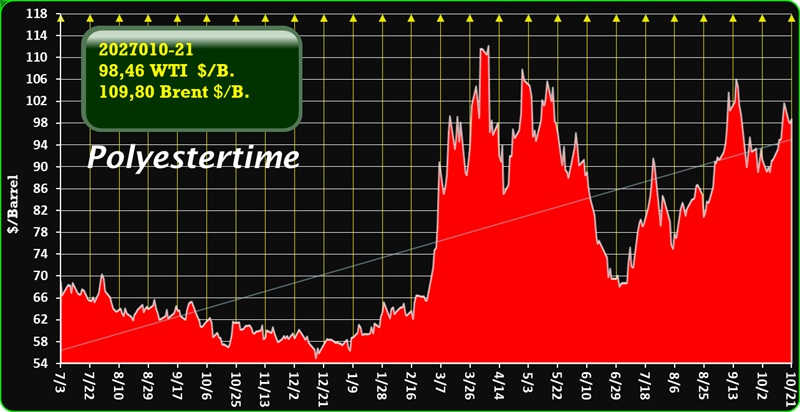
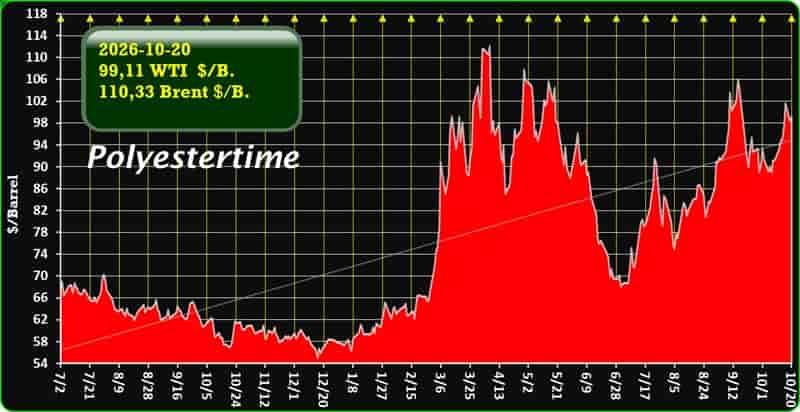
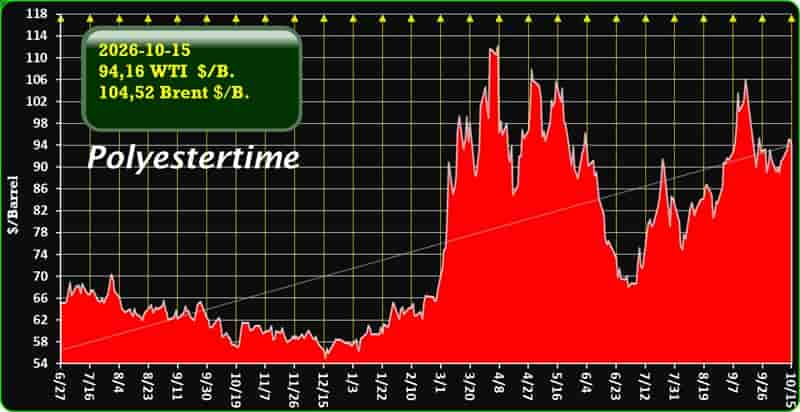
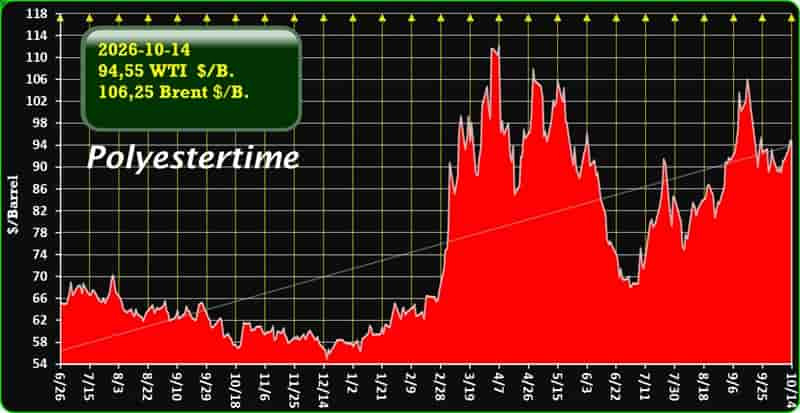
Energy markets remain volatile as global investors closely track geopolitical developments in the Middle East. With Brent crude hovering around $95 per barrel and West Texas Intermediate (WTI) trading near $89 per barrel, raw energy pricing reflects a significant risk premium. Tensions surrounding the US-Iran military stance continue to fuel uncertainty across commodities, transport, and international trade supply lines.
The price gap between Brent and WTI underscores two distinct realities: global marine crude risks tied to maritime bottlenecks versus domestic American supply dynamics. Understanding the factors driving crude benchmarks higher provides critical clarity for energy investors, logistics operators, and everyday consumers.
What Is Driving Crude Oil Benchmarks Higher?
Crude benchmarks do not shift in a vacuum. Energy prices reflect physical supply, maritime transport security, commercial inventory levels, and strategic reserve capacity. When conflict directly threatens major transit routes like the Strait of Hormuz, commodity traders quickly factor in the potential for supply disruptions.
+-----------------------------------------------------------------------+
|                 Key Drivers Behind Current Oil Prices                |
+-----------------------------------------------------------------------+
|  Geopolitical Risk    ->  US-Iran tensions & shipping corridor risks  |
|  Brent Crude ($95/bbl)->  Global waterborne pricing & risk premium    |
|  WTI Crude ($89/bbl)  ->  US domestic supply & refining capacity      |
|  Market Sentiment     ->  Diplomatic updates & reserve drawdowns      |
+-----------------------------------------------------------------------+
1. Strait of Hormuz Security Concerns
Approximately 20% of the world’s liquid natural gas and crude oil flows through the narrow Strait of Hormuz. Any escalating military activity, naval drone deployment, or tanker harassment in these waters forces insurance companies to raise maritime coverage rates dramatically. These elevated freight costs feed directly into the $95/bbl price of Brent.
2. Sanctions and Diplomatic Stalemates
Diplomatic signals heavily influence short-term price fluctuations. Reports detailing potential sanctions relief or diplomatic negotiations often lead to brief price pullbacks. However, direct denials of sanction concessions or breakdowns in high-level discussions restore momentum to crude buyers, driving benchmark prices back toward multi-month highs.
3. Inventory Levels and Strategic Reserve Pressures
Commercial crude inventories in key consumer nations remain under constant observation. Heavy reliance on strategic reserves over extended conflict periods reduces the buffer available to absorb sudden shocks. When national stockpiles run lower than historical averages, spot prices become far more reactive to news events.
Comparing Benchmarks: Brent vs. West Texas Intermediate (WTI)
The structural difference between Brent crude and WTI crude explains why both benchmarks maintain a persistent price spread during geopolitical crises.
| Feature / Metric | Brent Crude | West Texas Intermediate (WTI) |
| Current Price | ~$95 / Barrel | ~$89 / Barrel |
| Primary Origin | North Sea (Waterborne) | US Landlocked (Cushing, OK) |
| Geopolitical Exposure | High (Directly linked to sea routes) | Moderate (Anchored by domestic output) |
| Refining Profile | Sweet, light grade | Extra sweet, extra light grade |
| Global Role | International trading benchmark | Primary benchmark for US domestic oil |
Brent crude serves as the international pricing benchmark for two-thirds of the world’s internationally traded seaborne oil contracts. Because it measures sea-transported crude, it immediately absorbs geopolitical risk premiums in the Middle East and Europe.
WTI, anchored in inland Cushing, Oklahoma, reflects domestic production strength in North America. While WTI tracks global trends, higher US shale output helps cushion domestic crude from experiencing the full severity of overseas price spikes.
Global Economic Ripple Effects of $95 Oil
Elevated crude oil prices impact the broader global economy well beyond petroleum markets. Energy serves as a foundational input for industrial manufacturing, agriculture, aviation, and global logistics. US Iran War Oil Prices
Inflationary Pressures on Transport and Freight
When crude stays near $95/bbl, refined product prices—specifically diesel and jet fuel—rise proportionately. High diesel costs increase shipping surcharges across trucking networks, ocean freight, and cargo rail. Consumers experience this through higher shelf prices for goods and food products.
Central Bank Policy Decisions
Central banks monitoring headline inflation watch energy price movements closely. Persistent energy inflation restricts the ability of monetary authorities to lower interest rates. Sustained high energy costs can prolong tight monetary policies as central bankers attempt to prevent broader price index increases.
Shifting Capital Flows to Safe-Haven Assets
Geopolitical conflict typically drives capital out of risk-sensitive equities and into traditional safe-haven assets. Gold, strong foreign currencies, and short-term sovereign debt frequently draw inflows during periods of intense Middle Eastern conflict, while stock markets experience heightened volatility.
Strategic Considerations for Energy Investors and Businesses
Managing energy price volatility requires clear operational and financial strategies. Organizations exposed to raw fuel costs utilize several key approaches to navigate uncertain conditions.
-
Hedging Energy Exposure: Airlines, shipping lines, and heavy manufacturers often lock in fuel prices using futures contracts or options structures to stabilize operating margins during volatile cycles.
-
Diversifying Supply Routes: Importing countries regularly seek supply contracts with non-Gulf producers, expanding partnerships across West Africa, South America, and North America to lower single-region dependency.
-
Optimizing Inventory Holding: Commercial enterprises adjust inventory holding buffers to avoid purchasing bulk spot-market fuel during peak price spikes.
Market Outlook: What Comes Next for Crude Oil?
The short-term trajectory of US-Iran war oil prices depends on whether conflict threats spill over into actual physical supply halts. If diplomatic channels manage to de-escalate maritime friction, the geopolitical risk premium built into Brent crude could contract quickly, bringing prices closer to fundamental supply-and-demand levels.
Conversely, any major disruption to energy processing facilities or key shipping channels could push prices higher. Energy analysts recommend tracking weekly inventory reports, shipping traffic data through Hormuz, and official foreign policy releases to anticipate the next major market move.
More…