Revolutionary Victory: How Enzymatic Polyester Textile Recycling Is Defeating Fast Fashion Waste
Enzymatic polyester textile recycling
Textile Recycling Is Defeating Fast Fashion Waste
The global textile industry has reached a long-awaited turning point in its battle against landfill waste and fossil-fuel dependence. For years, the fashion sector has struggled to process mixed-fiber textiles, heavily dyed fabrics, and contaminated post-consumer garments. Mechanical recycling techniques routinely degrade synthetic fibers, forcing manufacturers to rely on virgin petrochemical feedstocks or high-grade clear plastic bottles to produce recycled polyester clothing.
That technological bottleneck has officially been broken. French green biotechnology innovator Carbios, alongside members of the Fiber-to-Fiber Consortium—including global apparel leaders Patagonia, PUMA, and Salomon—has successfully demonstrated the industrial-scale manufacturing of high-performance recycled polyester T-shirts derived directly from complex plastic and textile waste streams. This milestone marks the culmination of three years of collaborative research across Europe, proving that enzymatic circularity is no longer a small-scale laboratory experiment, but a fully scalable commercial reality.
Cracking the Code of Complex Garment Waste
Unlocking closed-loop textile circularity requires overcoming massive physical and chemical barriers. Most consumer clothing is not made from pure single-origin fibers; instead, garments are complex blends of polyester mixed with elastane for stretch or cotton for comfort. Furthermore, industrial dyes, finishing treatments, and silicone coatings make traditional recycling methods inefficient or impossible.
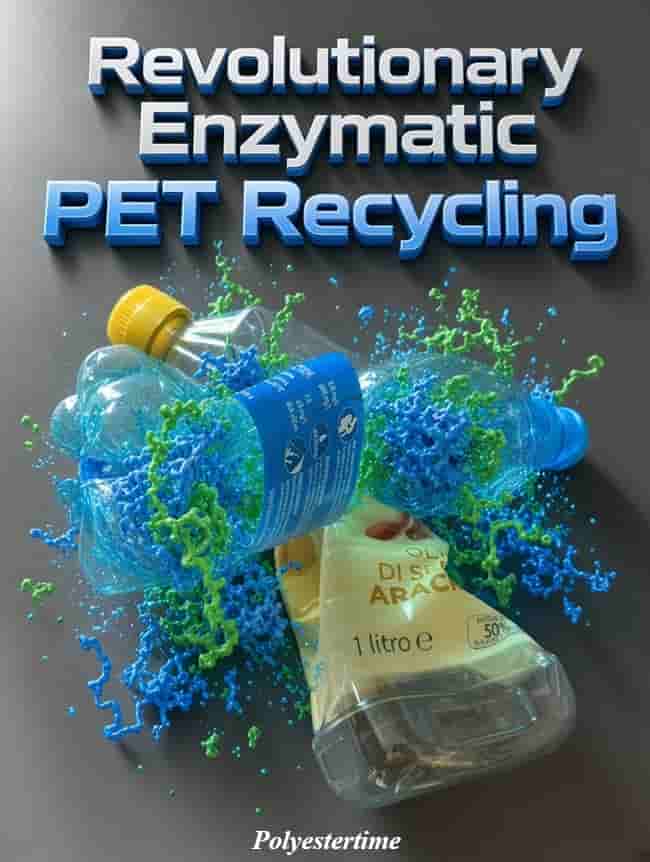
Unlike mechanical shredding, which shortens fiber lengths and weakens material strength, biological recycling utilizes engineered enzymes to act as molecular scissors. These biological catalysts selectively depolymerize the polyethylene terephthalate (PET) content within complex fabrics, breaking it down into its core monomer building blocks—pure terephthalic acid (PTA) and monoethylene glycol (MEG). Because the enzymes target only the target polymers, dyes, mixed fibers, and contaminants are easily separated without compromising the output quality.
Benoît Grenot, CEO of Carbios, highlighted the significance of the achievement: “This milestone demonstrates that enzymatic recycling meets the highest standards of the textile industry. By converting complex waste streams into high purity building blocks for the production of recycled polyester, we are proving that circularity is already an operational reality ready for deployment at industrial scale.”
From Waste to Garment: The Integrated European Value Chain
A central breakthrough of this initiative is its end-to-end integration across established European manufacturing lines. Rather than creating specialized, custom equipment that would require billions in capital expenditure to adopt globally, the recycled monomer feedstocks were processed under standard industrial conditions.
The Step-by-Step Industrial Path
-
Enzymatic Depolymerization: Carbios processed pre-industrial and post-consumer textile waste containing heavy dyes and elastane blends to isolate pure PTA and MEG monomers.
-
Repolymerization (Portugal): Materials partner Selenis repolymerized the resulting monomers to produce over one ton of high-purity, textile-grade recycled PET resin, branded commercially as EnzyTex.
-
Industrial Yarn Spinning (Spain): ANTEX processed the EnzyTex pellets on standard equipment, drawing them into continuous filament yarns.
-
Knitting & Dyeing (France): Henitex knitted the yarn into Interlock fabric, which was then dyed in standard industrial baths by Teintures et Apprêts Danjoux (TAD).
-
Garment Assembly (France): ToptexCube (Chamatex Group) cut and stitched the finished Interlock fabric into performance T-shirts.
Comprehensive laboratory testing confirmed that the resulting EnzyTex fibers demonstrated mechanical strength, color fastness, and dyeability identical to virgin polyester produced directly from crude oil. enzymatic polyester textile recycling
Why Fiber-to-Fiber Circularity Is Critical for Brands
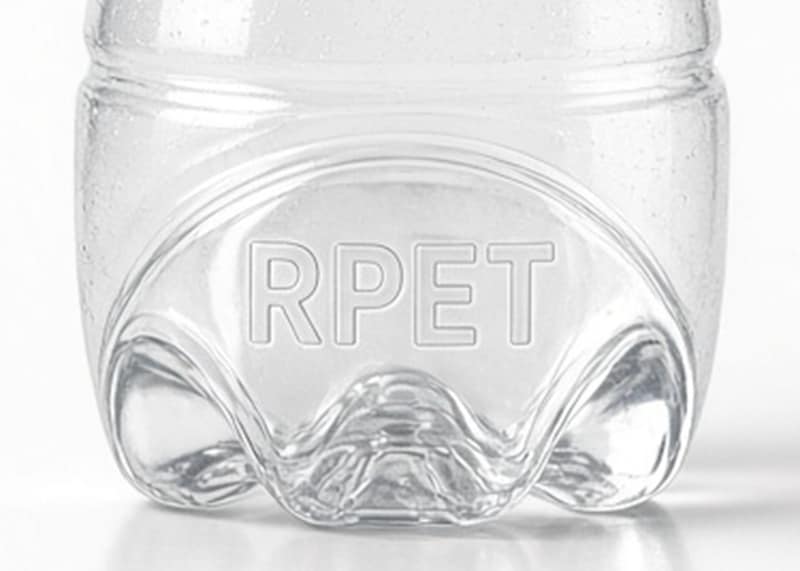
The global sportswear and outdoor apparel sectors are under intense regulatory pressure to move away from linear resource extraction. Historical reliance on recycled bottle flake (r-PET) as a sustainability Band-Aid is facing increasing criticism, as taking bottles out of closed-loop beverage systems to make clothes that eventually end up in landfills merely delays waste rather than eliminating it. True circularity requires a fiber-to-fiber loop.
Howard Williams, Director of Global Innovation Apparel & Accessories at PUMA, noted: “Carbios has demonstrated that complex PET waste can be recycled into high-quality polyester fibers under existing industrial conditions and repurposed into high-quality products.”
Echoing this sentiment, Guillaume Meyzenq, CEO of Salomon, emphasized the strategic shift for performance apparel: “By combining our expertise across the entire value chain, we have demonstrated that circularity for high-performance textiles is becoming an industrial reality. Together, we have proven that innovative recycling technologies can transform complex waste into high-quality materials without ever compromising on technical performance.”
Economic Viability and Future Outlook
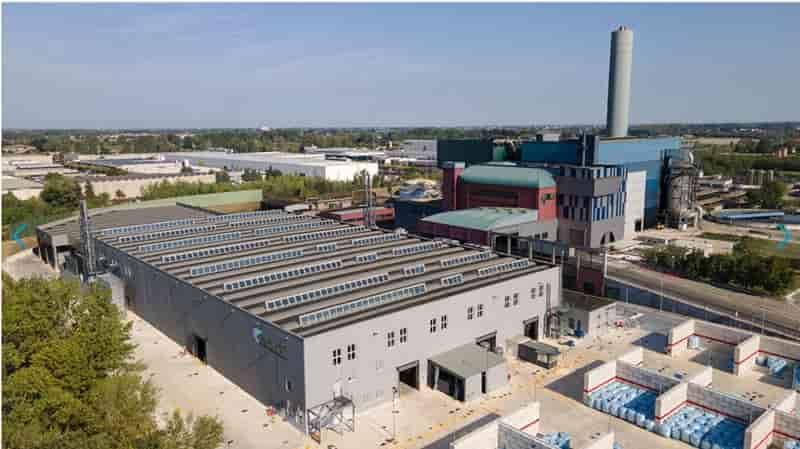
While technical feasibility is proven, scaling biological recycling requires financial efficiency and infrastructure expansion. Carbios has already made substantial progress on its commercial roadmap, streamlining operations and significantly cutting cash burn while bringing its flagship Longlaville biorecycling facility into production.
As the European Union moves closer to enforcing strict Extended Producer Responsibility (EPR) regulations and digital product passports, technologies capable of processing post-consumer textile waste into virgin-grade fibers will transitioned from optional eco-initiatives to mandatory supply chain infrastructure. The successful validation of EnzyTex establishes biological recycling as a viable, scalable alternative to fossil fuels, setting a new benchmark for sustainable garment manufacturing worldwide.
More…