Iran War Oil Prices: Why Brent Is Near $92
Iran War Oil Prices: Why Brent Is Near $92 and WTI Near $85
Last updated: 20 August 2026
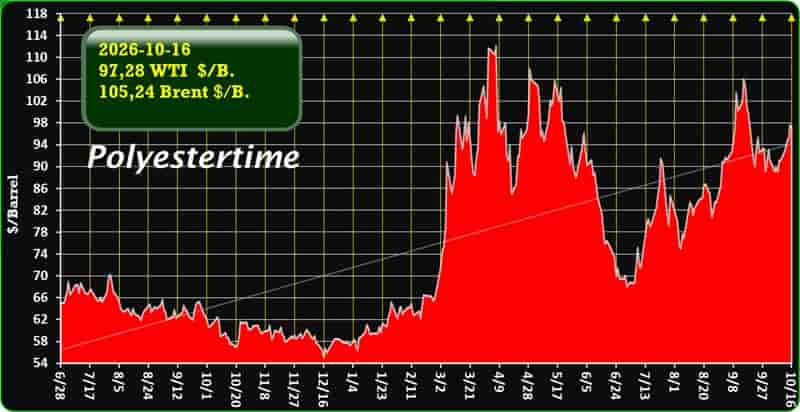
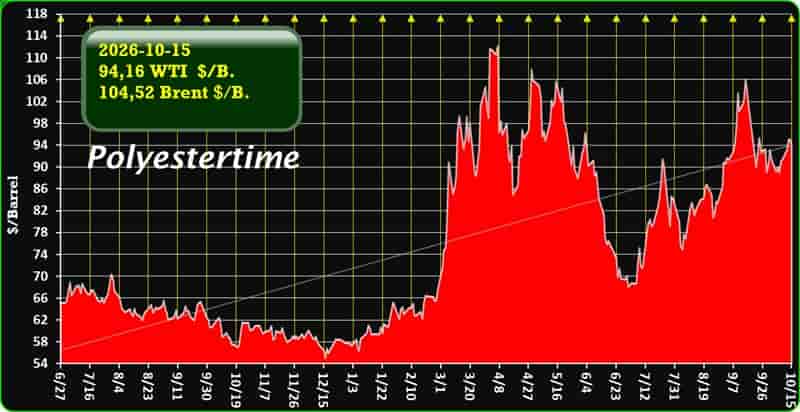
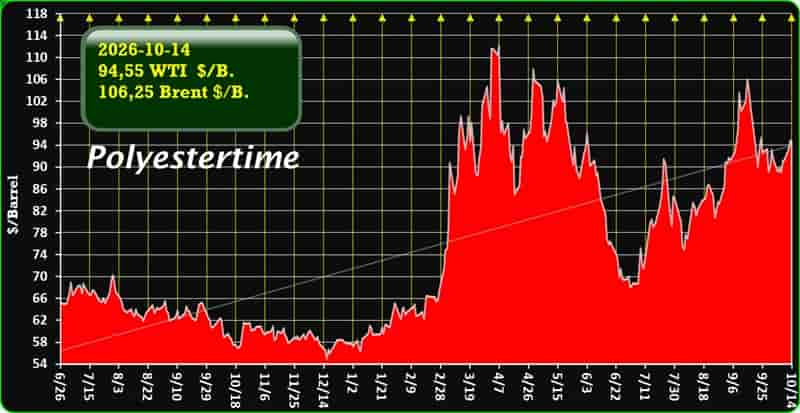
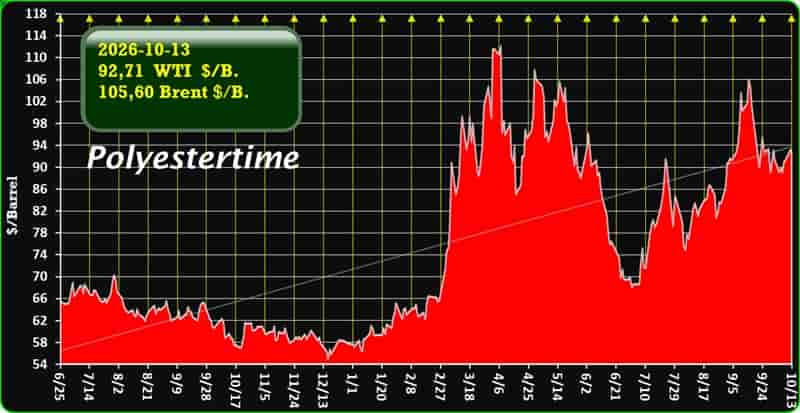
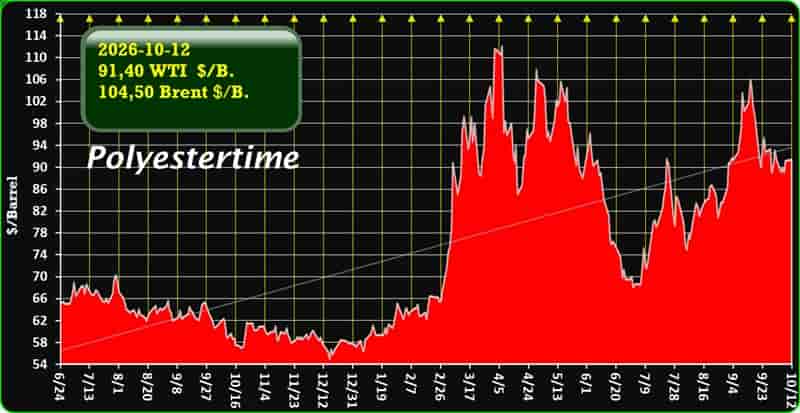
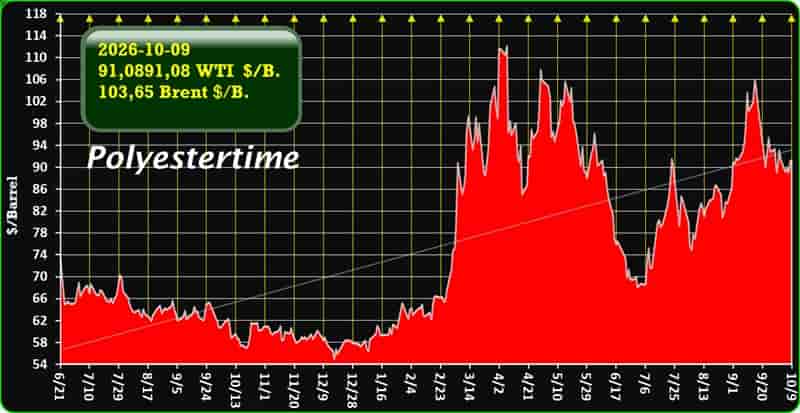
Brent crude is trading around $92 a barrel and West Texas Intermediate, or WTI, around $85 as of 20 August 2026. The main reason is the US-Iran war’s continuing impact on Gulf oil production and shipping, especially through the Strait of Hormuz.
The market is not pricing a complete loss of Gulf supply. It is pricing a prolonged, costly and unpredictable disruption. Some oil is still moving, but flows remain far below their prewar level, inventories have fallen and shipowners face higher security, insurance and freight costs.
The situation at a glance
-
Brent crude: about $92 a barrel.
-
WTI crude: about $85 a barrel.
-
Immediate risk: renewed escalation and restricted traffic through the Strait of Hormuz.
-
Main downside catalyst: a durable diplomatic agreement and a sustained recovery in Gulf exports.
-
Main upside catalyst: further attacks on shipping, longer production shutdowns or disruption at another transit route.
These prices are a market snapshot, not a settlement price or a forecast. Crude futures can move quickly as military, diplomatic and shipping news changes.
Why the Strait of Hormuz remains decisive
The Strait of Hormuz is the narrow sea passage connecting the Persian Gulf with the Arabian Sea. Before the conflict, it carried a major share of global petroleum trade.
The US Energy Information Administration estimates that crude oil and petroleum liquids moving through Hormuz averaged 4.9 million barrels a day in the second quarter of 2026. That compares with 21.6 million barrels a day in the fourth quarter of 2025, before the conflict. The same agency estimates that production shut-ins averaged 5.5 million barrels a day in July.
That gap explains much of the risk premium in crude. It also shows why the relevant question is not whether the strait is technically open or closed. What matters is how many barrels can pass through consistently, safely and at an acceptable cost.
The EIA’s August outlook assumes Hormuz shipments remain severely constrained through August and recover gradually from September. It forecasts Brent averaging about $85 in the third quarter and $78 in the fourth quarter, but those figures depend on its assumptions. They are not guarantees, and the current price near $92 shows that traders are assigning substantial weight to near-term risk.
What changed in the latest news
The latest reporting on 20 August points to greater economic pressure on Iran and no clear diplomatic breakthrough.
The Wall Street Journal reports that the United Arab Emirates is cutting economic ties with Iran after accusing Tehran of firing ballistic missiles at its territory. The newspaper also reports front-month WTI near $85.88 in early Asian trading and notes that the UAE’s energy infrastructure was not hit.
Separately, Axios reports that the US military has been helping tankers move through a southern channel of the Strait of Hormuz. That may help explain why oil is below the triple-digit peaks seen during earlier phases of the conflict. However, it does not restore normal trade: the reported flow remains below prewar volumes.
The Financial Times reports surging demand and costs for tankers serving Gulf exporters, as well as the use of shuttle systems and discounted cargoes. These are signs that oil is moving through an impaired system rather than a normal one.
The latest developments therefore pull prices in opposite directions. Protected tanker movements add supply and can limit a price spike. Renewed political and military pressure raises the chance of further disruption.
Why Brent trades above WTI
Brent is the leading international benchmark and is more directly exposed to seaborne supply conditions. WTI is the principal US benchmark and reflects, among other factors, the balance at the Cushing, Oklahoma, delivery hub and conditions in the North American market.
With Brent around $92 and WTI around $85, the spread is roughly $7 a barrel. A wider Brent premium can encourage US exports, but freight costs, refinery demand, inventories and contract timing also affect the gap. It should not be attributed to the war alone.
Three paths for oil prices
1. De-escalation and recovering exports
A durable ceasefire or negotiated settlement, fewer attacks on vessels and a verified rise in Hormuz traffic would reduce the geopolitical premium. Restarted Gulf production and rebuilding inventories could then put downward pressure on Brent and WTI.
2. Prolonged disruption without a major new shock
If protected shipping continues but export volumes remain constrained, prices could stay elevated and volatile. This is the middle path suggested by today’s market: enough supply reaches buyers to prevent an extreme shortage, but not enough to restore confidence or replenish inventories quickly.
3. Wider regional escalation
Further attacks on tankers or energy infrastructure, deeper sanctions enforcement, or disruption around the Bab el-Mandeb route could push prices higher. The size and duration of any rise would depend on lost barrels, available inventories, spare production capacity and the speed of government or producer responses.
These are scenarios, not price targets.
What higher oil prices mean for consumers and the economy
Crude prices do not pass through to retail fuel one-for-one. Refining margins, taxes, exchange rates, transport costs and local competition also matter. Even so, a sustained rise in oil can lift petrol, diesel, jet fuel and shipping costs with a delay.
That can slow progress on inflation and complicate interest-rate decisions. Airlines, road transport, chemicals and other energy-intensive sectors are particularly exposed. Oil exporters may gain revenue, although disrupted producers may sell fewer barrels or accept discounts. Iran war oil prices
What to watch next
The most useful indicators are physical rather than rhetorical:
-
Daily tanker traffic and loaded volumes through the Strait of Hormuz.
-
Verified attacks on vessels, ports, pipelines or production facilities.
-
Changes in Gulf production shutdowns and export schedules.
-
Commercial and strategic inventory releases.
-
Freight rates and marine insurance costs.
-
Official sanctions measures and evidence of enforcement.
-
A signed agreement, monitoring mechanism or sustained ceasefire—not only statements about talks.
Frequently asked questions
Why are oil prices rising during the US-Iran war?
The conflict has restricted Gulf production and shipments through the Strait of Hormuz. Lower flows, inventory drawdowns and higher shipping risks have added a geopolitical premium to crude.
Is the Strait of Hormuz closed?
It is more accurate to describe traffic as severely constrained than to use a simple open-or-closed label. Tankers are still moving, but EIA data show second-quarter petroleum flows far below their prewar level.
Could Brent move above $100 again?
It could if physical supply losses deepen or last longer, but that is a scenario rather than a forecast. Safer tanker passage, recovering exports or diplomacy could instead reduce the premium.
Will fuel prices rise immediately?
Not necessarily. Retail prices also depend on refining, inventories, taxes, currencies and distribution costs. A sustained crude increase is more likely to feed through than a short-lived spike.
Bottom line
Iran war oil prices are being set by a fragile balance. Brent near $92 and WTI near $85 reflect major supply constraints and depleted inventories, but also the fact that some Gulf oil continues to reach the market. The next decisive move will depend less on headlines alone than on verified tanker volumes, production restarts and a credible diplomatic settlement.
Sources
-
US Energy Information Administration, Short-Term Energy Outlook: Global oil markets, released 11 August 2026: https://www.eia.gov/outlooks/steo/report/global_oil.php
-
International Energy Agency, Oil Market Report, August 2026: https://www.iea.org/reports/oil-market-report-august-2026
-
The Wall Street Journal, “Oil Edges Higher Amid Lingering Middle East Tensions,” 20 August 2026: https://www.wsj.com/finance/commodities-futures/oil-edges-higher-amid-lingering-middle-east-tensions-77c883a9
-
Axios, “U.S. conducting stealth operation to transport oil through Hormuz,” 19 August 2026: https://www.axios.com/2026/08/19/hormuz-iran-oil-gulf-trump
-
Financial Times, “Demand for tankers soars as Gulf oil producers search for ways to export cargoes,” 20 August 2026: https://www.ft.com/content/a8056598-14dd-4a9e-a21d-ad68e9891cc1
US Iran Oil Prices Surge: Brent Tops $92 as Hormuz Crisis Deepens