Understanding the Current Landscape of Global Energy Markets
US Iran oil prices
Understanding the Current Landscape of Global Energy Markets
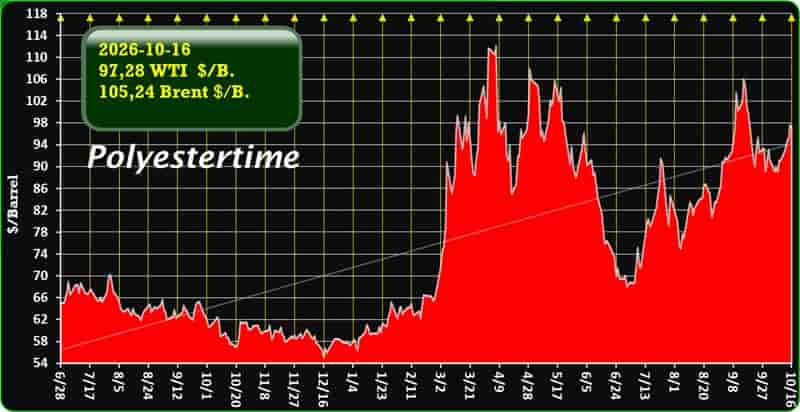
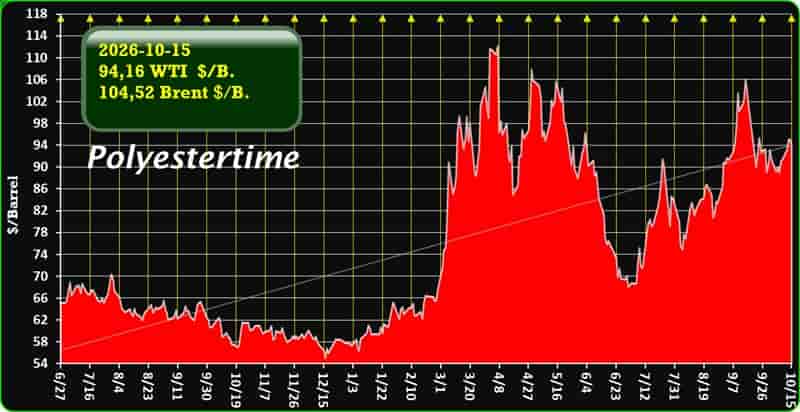
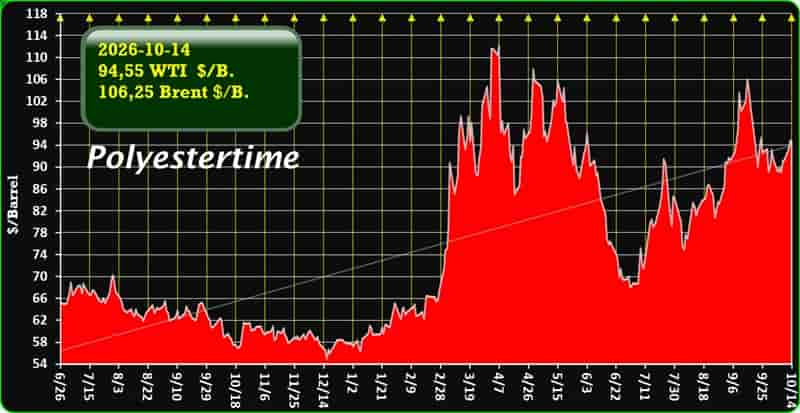
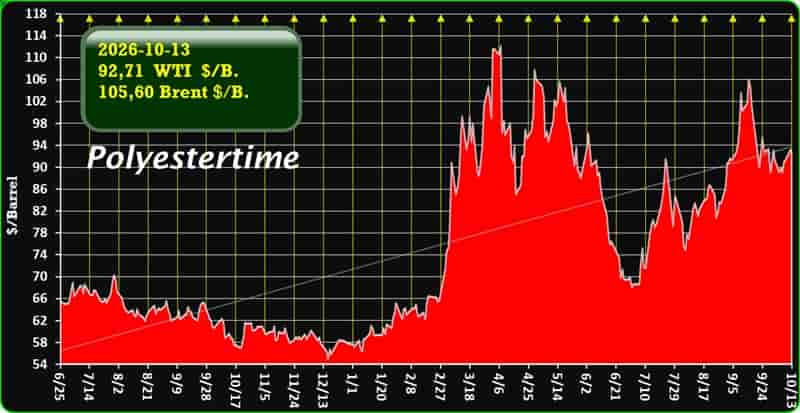
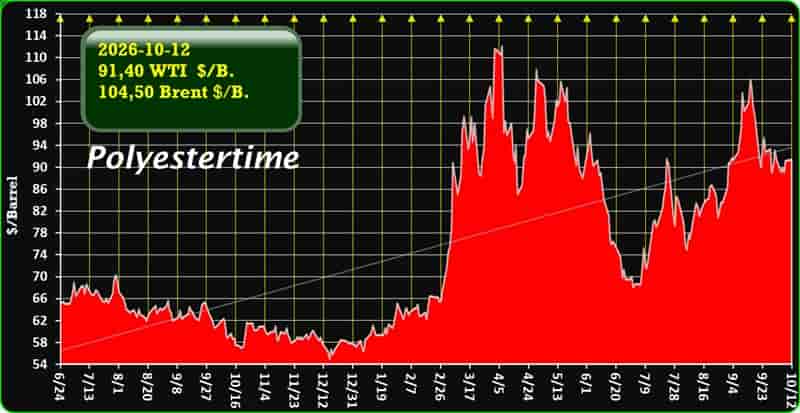
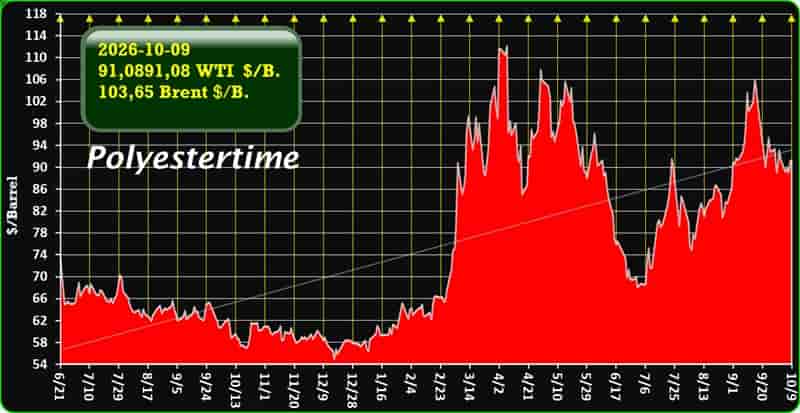
The global energy ecosystem is facing a period of intense volatility as geopolitical tensions in the Middle East reach a critical juncture. The ongoing military and diplomatic friction surrounding the United States and Iran has sent powerful shockwaves through international commodity exchanges. As markets recalibrate to account for escalating risks, benchmark crude figures reflect a tense reality: Brent crude is currently trading around 105 $/B, while West Texas Intermediate (WTI) stands near 97 $/B.
These elevated figures are not merely numbers on a trading screen; they represent a tangible anxiety sweeping through global supply chains, industrial corridors, and central banks. For months, energy analysts have closely monitored the posture of Washington and Tehran, tracking how military posturing, maritime security threats, and potential export disruptions can instantly rewrite the economics of global petroleum. As the world navigates this delicate era, understanding the divergence between Brent and WTI, the significance of strategic maritime chokepoints, and the broader economic ripple effects is essential for businesses, investors, and everyday consumers alike. US Iran oil prices
The Divergence Between Brent and WTI Benchmarks
To fully grasp how modern energy markets react to geopolitical conflict, one must examine the fundamental differences between the two primary global oil benchmarks: Brent Crude and WTI Crude.
-
Brent Crude ($105/B): Originating from the North Sea, Brent serves as the international benchmark for pricing roughly two-thirds of the world’s globally traded crude oil supplies. Because a vast portion of Brent-linked contracts rely heavily on maritime shipping lanes that intersect or connect with Middle Eastern exports, Brent is exceptionally sensitive to international geopolitical shocks. When security risks flare up in the Persian Gulf or the Arabian Sea, Brent reacts swiftly, commanding a higher price premium due to its exposure to global trade vulnerabilities. US Iran oil prices
-
WTI Crude ($97/B): West Texas Intermediate serves as the primary benchmark for North American oil. Tied closely to landlocked storage hubs like Cushing, Oklahoma, WTI often trades at a structural discount relative to Brent. While robust domestic production in the United States provides a foundational cushion against absolute scarcity, North American refiners and consumers are still far from immune. Global price surges inevitably filter into domestic fuel markets, driving up refined product costs regardless of where the crude was extracted.
The current price spread reflects these distinct geographic realities. While domestic North American production buffers WTI from the immediate physical bottlenecks of the Middle East, the globalized nature of petroleum pricing ensures that Brent’s climb to $105 per barrel drags the entire petroleum complex upward. US Iran oil prices
Geopolitical Catalysts: The US-Iran Conflict and Maritime Risks
At the heart of the current pricing environment is the persistent threat profile defining US-Iran relations. Military escalations, naval positioning, and heightened security alerts have turned the Persian Gulf into a high-stakes zone for international commerce. US Iran oil prices
The single most critical vulnerability in this equation is the Strait of Hormuz. This narrow maritime corridor handles a massive share of the world’s petroleum liquids consumption, acting as an indispensable artery for oil tankers moving from Middle Eastern producers to major consumer hubs in Asia, Europe, and the Americas. Whenever tensions escalate between Washington and Tehran, fears regarding the potential mining, blockage, or interception of commercial traffic through the Strait intensify immediately. US Iran oil prices
Even absent a total blockade, the mere escalation of conflict drives up operational costs across the board:
-
Marine Insurance Premiums: Commercial vessel operators navigating high-risk zones face exponential spikes in war-risk insurance premiums. These added costs are factored directly into cargo valuations.
-
Rerouting and Delays: Shippers often implement precautionary delays or alter transit routes to avoid volatile sectors, extending delivery timelines and reducing the efficiency of the global tanker fleet.
-
Geopolitical Risk Premiums: Financial markets price in future uncertainty well before physical supply is physically lost. Traders build a “war premium” into futures contracts to hedge against sudden, catastrophic supply outages.
These compounding factors explain why Brent crude has sustained elevated levels above the $100 threshold, reflecting a market that is pricing in the persistent probability of disruption rather than just immediate losses. US Iran oil prices
Economic Fallout: Inflationary Pressures and Central Bank Dilemmas
The persistence of Brent crude at $105/B and WTI at $97/B carries profound implications for the global economy. Energy is a foundational input for virtually every sector; therefore, sustained high oil prices act as a broad-based tax on economic activity. US Iran oil prices
When crude prices spike, the downstream consequences manifest quickly at consumer fuel pumps, diesel distribution networks, and aviation fuel terminals. Transport and logistics companies experience squeezed operating margins, which are subsequently passed on to retail consumers in the form of higher prices for goods, food, and manufactured products. This dynamic threatens to reignite inflationary pressures just as central banks worldwide have sought to stabilize price growth.
For monetary policymakers, a war-driven energy shock presents a severe dilemma. Raising interest rates is a traditional tool to combat core inflation, but it cannot directly resolve a geopolitical supply constraint in the Middle East. Tightening monetary policy further in the face of energy-driven cost-push inflation risks tipping fragile industrial economies into recession, while inaction risks letting inflation expectations unanchor. Consequently, central bankers are forced to maintain a cautious, data-dependent stance, closely tying their next moves to the daily pulse of commodity markets.
Alternative Supply Adjustments and Strategic Reserves
As markets grapple with the realities of the US-Iran conflict, energy agencies, non-OPEC producers, and governments evaluate available buffers to stabilize prices.
-
Non-OPEC Production Growth: Producers outside the Middle East—including output expansions in the Americas and select non-cartel regions—attempt to step in to fill potential supply gaps. However, ramping up physical extraction and infrastructure takes time, meaning supply adjustments cannot instantly neutralize sudden geopolitical shocks. US Iran oil prices
-
Strategic Petroleum Reserves (SPR): Major economies maintain government-controlled emergency stockpiles designed to mitigate severe physical supply disruptions. While the release of strategic reserves can offer short-term psychological relief to futures markets and inject necessary liquidity into domestic refining sectors, they represent a finite cushion rather than a permanent solution to structural geopolitical instability.
-
Demand Destruction Dynamics: Economic theory suggests that prolonged commodity price spikes naturally induce demand destruction. As fuel and energy become increasingly costly, energy-sensitive manufacturing plants, petrochemical facilities, and price-sensitive emerging markets may curb consumption or seek alternative energy sources, establishing a natural ceiling on how high crude prices can climb before depressing global demand.
What Lies Ahead for Energy Markets?
The trajectory of oil prices remains inextricably linked to diplomatic channels, military developments, and risk management strategies across the globe. Markets remain on high alert, reacting to every headline emerging from diplomatic talks, regional security updates, and trade policy shifts. US Iran oil prices
For businesses and consumers, navigating this environment requires flexibility and resilience. Whether prices experience temporary relief through de-escalation or face further upward pressure from unexpected disruptions, the current valuation of Brent at $105/B and WTI at $97/B serves as a stark reminder of how deeply global economic stability depends on peaceful maritime transit and stable international relations. As the situation evolves, monitoring both physical supply data and geopolitical indicators will remain critical for anticipating the next phase of the global energy cycle.
What specific economic sector or region do you believe is most vulnerable to the current energy price volatility driven by the US-Iran situation?
US Iran Oil Prices Soar: Brent Hits $105 and WTI Reaches $94.5 Amid Escalating Hostilities
More….